
Last updated November 25, 2026
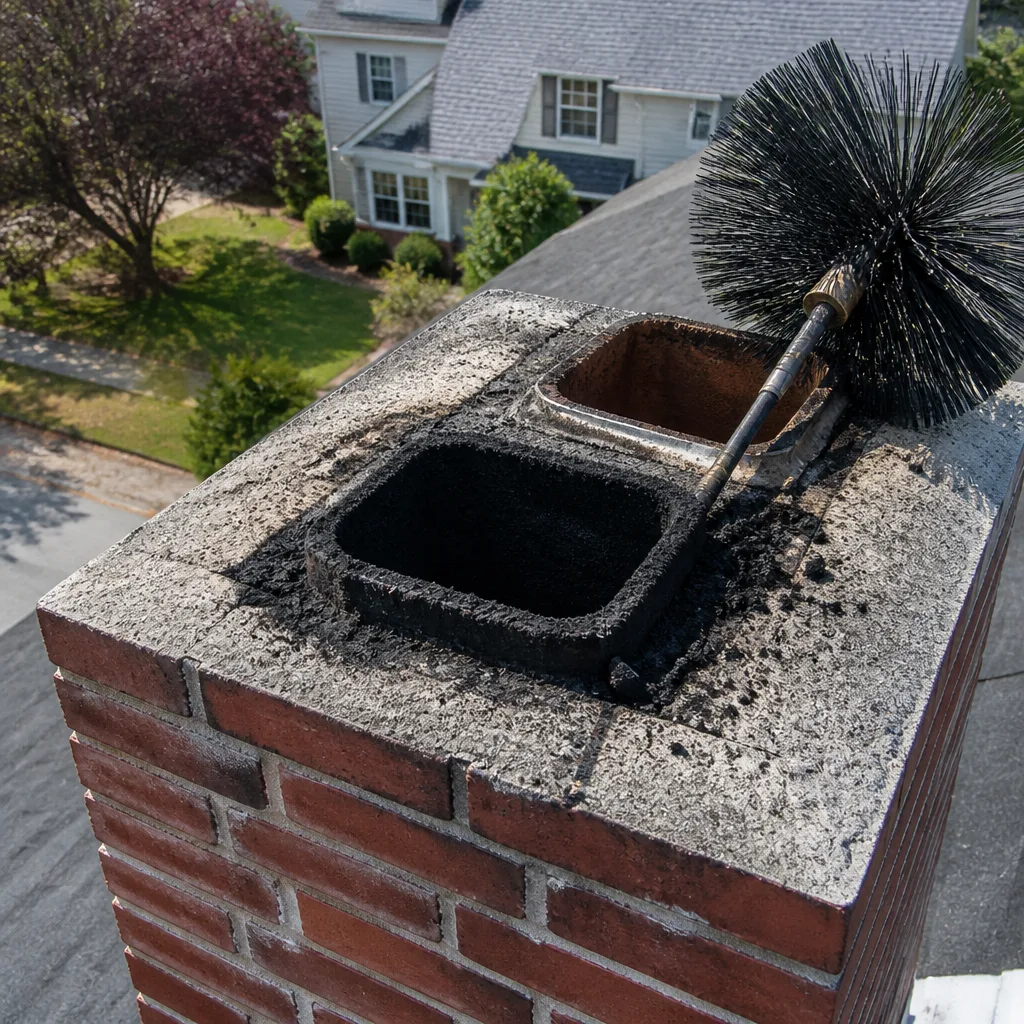 Sweep & inspection
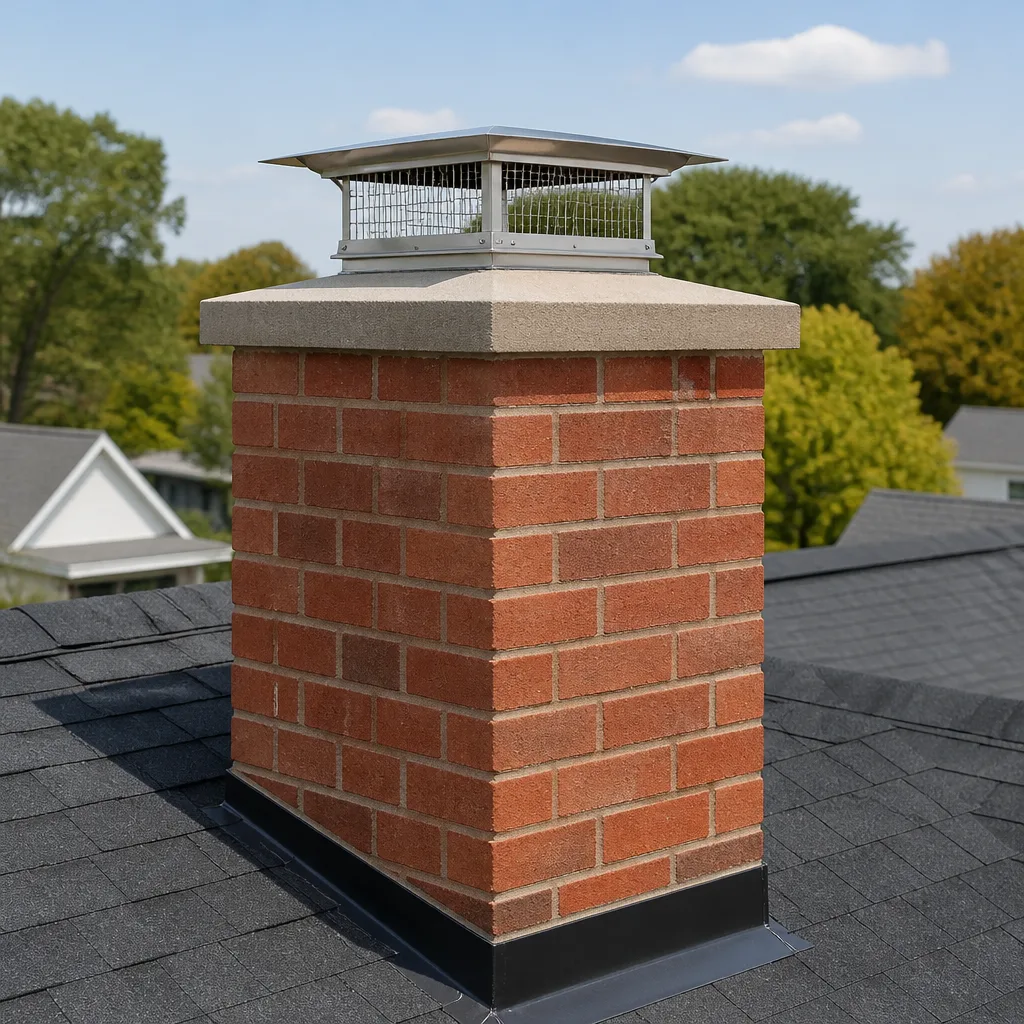 Caps & crowns
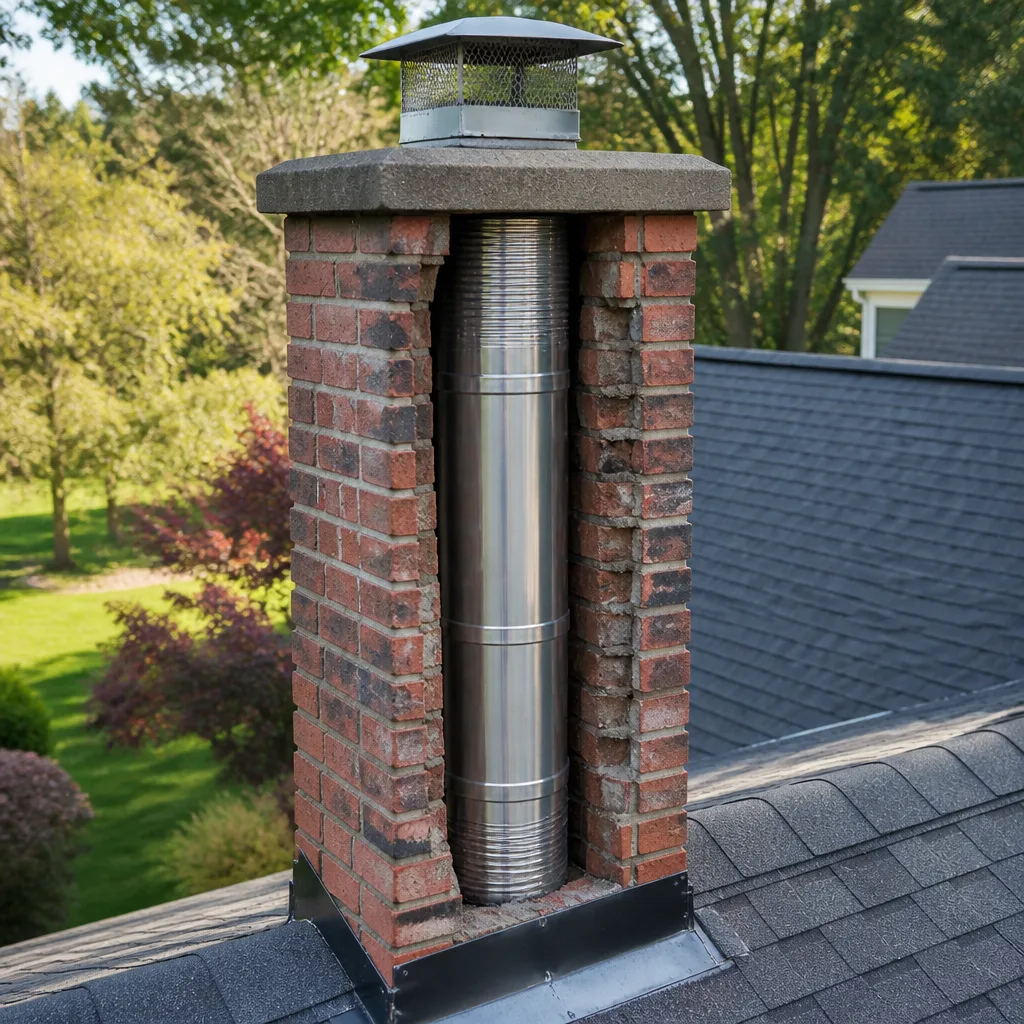 Flue relining
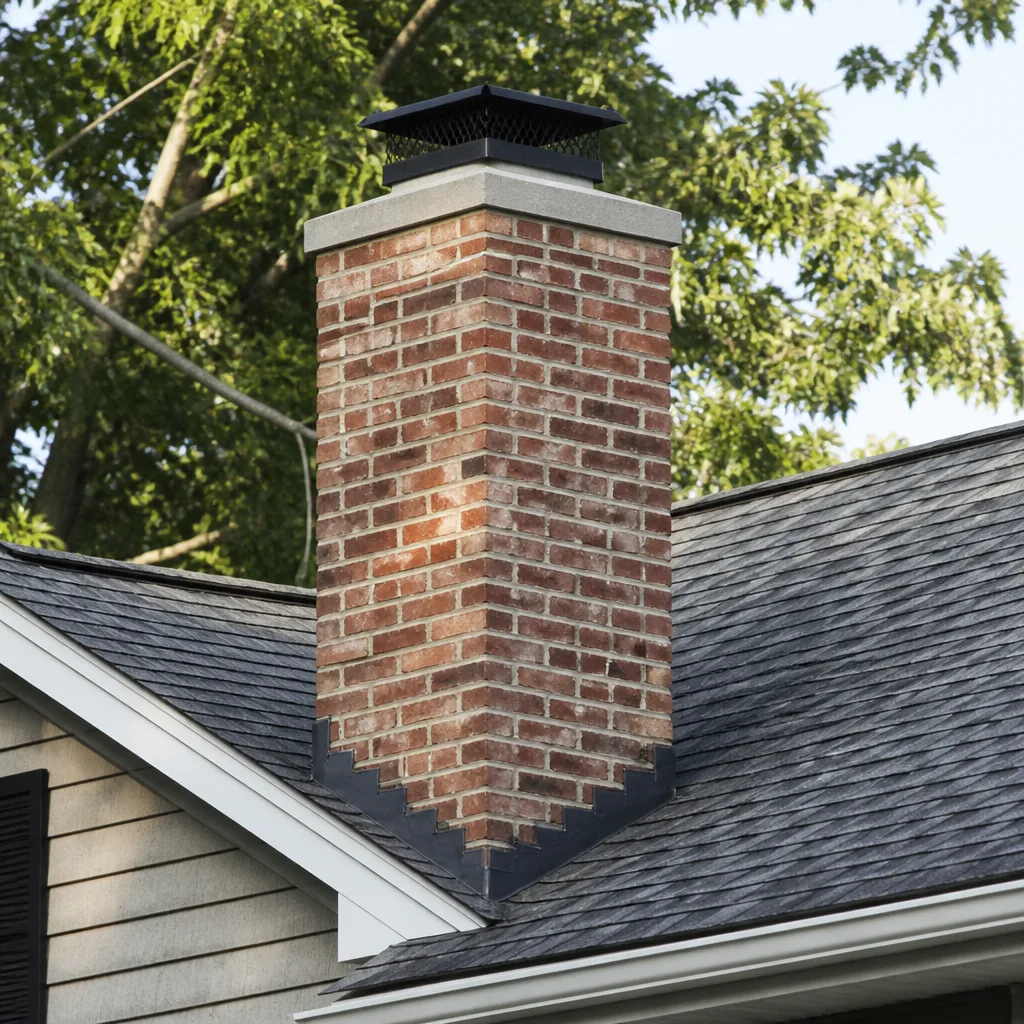 Masonry repair
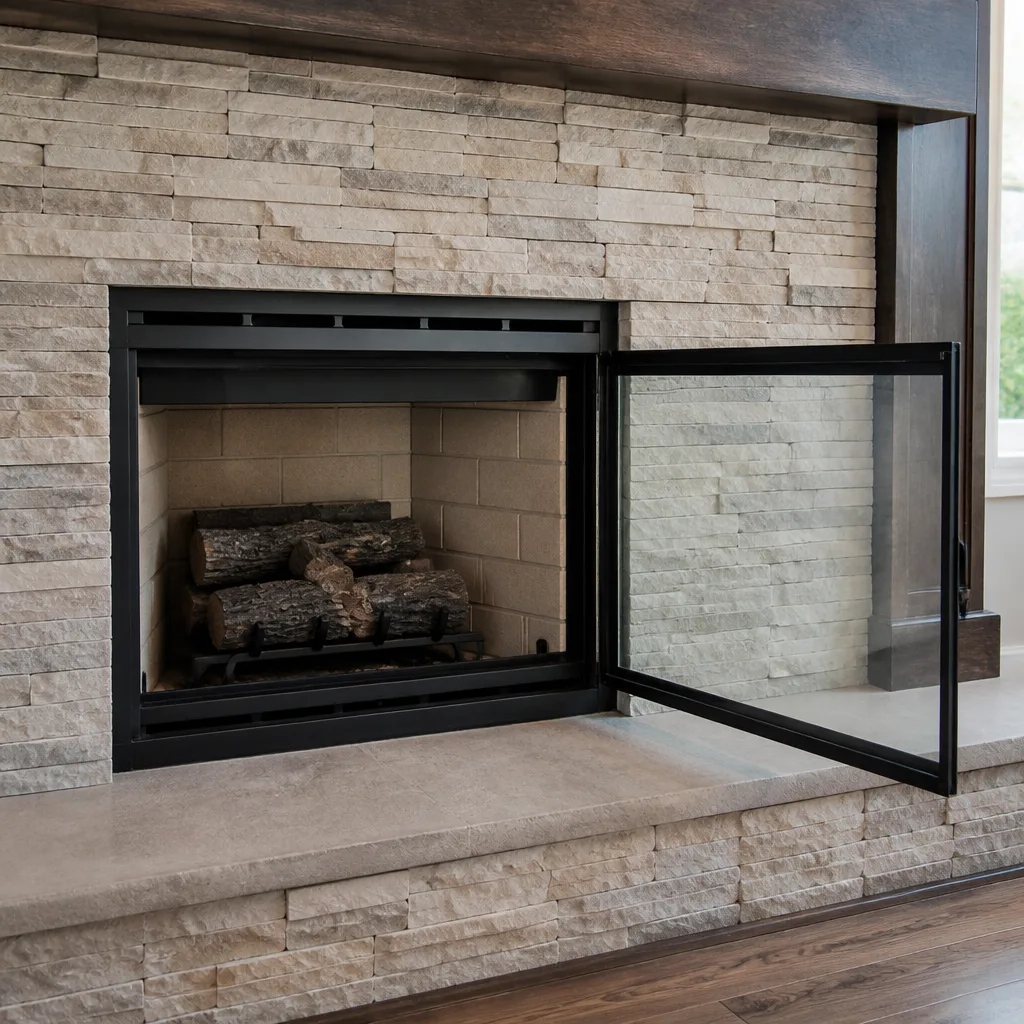 Gas fireplace service
Level 1 sweep and inspection to the NFPA 211 annual standard - flue, crown, cap, and flashing checked and photographed
Chimney sweep logs do not sweep chimneys. They loosen some creosote - which then falls where a brush and vacuum still have to collect it.
Chimney Cleaning Warning Signs: A Williamsbridge Homeowner’s Reference Guide
A white stain on your chimney’s exterior brick isn’t a cosmetic problem. It’s efflorescence, and it means water is actively moving through your masonry. Left alone, that stain precedes spalling brick and liner damage within one to two winters. Most homeowners never learn to read that signal, because the trade rarely teaches pattern recognition. It just sells the annual visit. This reference guide changes that. We’ll map the visible symptoms you can spot from the yard and the living room to the problems they actually point to, so you can tell a cosmetic annoyance from an urgent safety failure. Along the way, we’ll show you what a Williamsbridge homeowner should watch for in a house that runs a fireplace through cold, damp winters.
Quick Answer
The main chimney warning signs are rust stains (a failing cap or flashing letting water in), white streaks on the brick (water moving through the masonry), black smoke rolling back into the room (downdraft or a blockage), a sour yellow-brown smell in warm months (active creosote), and crumbling mortar around the smoke chamber. Signs that let you keep using the fireplace with a booked appointment include surface staining, a stiff damper, and minor cap damage. Signs that mean shut the fireplace down and call right away include smoke rollback into the room, a strong gas or chemical smell, visible cracks in the flue, or a firebox that has pulled away from the surround.
Styles & brands we work with
- Sweep & inspection
- Caps & crowns
- Flue relining
- Masonry repair
- Gas fireplace service
Table of Contents
- The Symptom-to-Diagnosis Framework
- Exterior Warning Signs and What They Mean
- Interior Warning Signs Homeowners Overlook
- Warning Signs Specific to Gas-Log Inserts
- Signs That Allow Continued Use vs. Signs That Require Shutdown
- Why Some Warning Signs Are Invisible Without a Camera
- How Williamsbridge Weather Speeds Up Certain Failures
- What to Ask When You Request a Video Inspection
The Symptom-to-Diagnosis Framework
Here’s the shift in thinking that makes everything else on this page useful: a chimney doesn’t fail in one big dramatic moment. It fails in a sequence, and each step in that sequence leaves a mark you can learn to read. The trade calls this pattern recognition. We call it looking before you buy.
Every symptom on this page maps to one of five underlying causes. Once you know which cause you’re looking at, you know whether you’re scheduling a routine visit or shutting the damper today.
- Water intrusion. Shows up as white staining, rust, crumbling mortar, or a damp smell near the hearth. Water is the single most damaging force a masonry chimney faces.
- Blockage or draft failure. Shows up as smoke rolling into the room, a weak fire that won’t draw, soot on the mantel face, or a cold draft when there’s no fire.
- Creosote buildup. Shows up as a glossy black glaze inside the flue, a sharp smell in warm weather, or reduced draft as the flue narrows.
- Structural movement. Shows up as cracks in the firebox, a damper that no longer seats, or corbeling that has separated in the smoke chamber.
- Component failure. Shows up as a loose cap, damaged flashing, a rusted damper handle, or a broken crown.
Read the symptom, name the cause, then decide. That’s the whole method. A Williamsbridge homeowner with a two-story brick house and a fireplace that dates to the original build has more surface area exposed to weather than a ranch house does, which means water-intrusion symptoms tend to show up first and fastest.
Exterior Warning Signs and What They Mean
Walk outside and stand at the base of the chimney. You can make a solid first assessment in about five minutes with no tools. This is the part most homeowners skip, and it’s where the clearest diagnostic information lives.
- White streaks or chalky powder on the brick. This is efflorescence, the mineral residue left behind when water moves through the masonry and evaporates on the surface. It’s the earliest outward sign of a water problem, and it points to a failing crown, a bad flashing detail, or a cap that no longer sheds rain.
- Rust stains. Rust runs when water reaches a metal component. Stop and trace the stain upward. If it streaks below the cap, the cap is the culprit. If it spreads around the roofline where the chimney meets the shingles, the flashing has failed. Rust on the firebox damper assembly inside points to water entering from the top.
- Crumbling or missing mortar between bricks. Mortar is softer than brick and it weathers first. When it recedes, the brick above it loses support and starts to spall, meaning faces flake off. That’s the point where a repair that could have been a resurfacing becomes a rebuild.
- Visible cracks in the crown. The crown is the sloped concrete cap at the very top that sheds water away from the flue. When it cracks, water finds the flue liner directly. A cracked crown is one of the most common causes of liner deterioration, and one of the easiest things to fix before it does damage.
- A leaning chimney. This one isn’t cosmetic and it isn’t routine. A stack that leans away from the house is a structural problem. Stop using the fireplace and get it looked at.
Walking the exterior of a home in Williamsbridge after a wet stretch is the ideal time to do this. Damp brick reads its water problems out loud. When the stains are fresh, the trail is easier to follow. If you spot a cracked crown or a failed cap, our chimney cap & crown work is the direct fix, because that’s where the water started.
Interior Warning Signs Homeowners Overlook
Most of what goes wrong inside a chimney is invisible from the living room. But a few interior symptoms are genuinely within reach of a careful homeowner, and they’re the ones that get missed because people simply don’t know to look.
The damper handle
A damper that used to move easily and now needs force, squeaks, or won’t stay open is reporting on its own condition. Stiffness often means rust or corrosion from moisture that came down the flue. A damper that no longer seats firmly is worse than a stiff one: it lets heat out and cold air in, and it can no longer be relied on to shut down a fire safely. If you can see the damper plate itself when you look up with a flashlight, check whether the edges meet cleanly. If there’s a visible gap all around, it’s time for a look.
Smoke staining above the firebox opening
Streaks of soot or brown staining on the masonry face above the firebox opening, or along the edges of the fireplace surround, tell you smoke has been escaping the firebox rather than going up the flue. That’s a draft failure. Sometimes it’s a flue that’s too narrow for the firebox size. Sometimes it’s a partial blockage. Sometimes it’s a wind-related downdraft, and the cap or a top-sealing component is the answer. Whatever the cause, staining above the opening means the smoke is going where it shouldn’t.
Deteriorating corbeling in the smoke chamber
Above the damper and below the flue sits the smoke chamber, a space where the walls were traditionally stepped inward in a shape called corbeling. Those stepped surfaces catch soot and creosote where a brush can’t easily reach. When the corbeling degrades, it leaves rough edges that slow the smoke and collect buildup faster. You can often catch the early sign with a strong flashlight and a mirror angled up through the open damper: look for crumbling or roughness on those steps. A rough smoke chamber is a fire risk and a draft problem at once, and it’s an area a generalist handyman almost never addresses.
Interior symptoms like these are the reason we treat chimney inspection as its own diagnostic service rather than a sales add-on. See what’s actually happening before deciding on a repair.
Warning Signs Specific to Gas-Log Inserts
A converted fireplace running gas logs has a completely different set of failure modes than a wood-burning system, and those differences cause real misdiagnosis. A homeowner used to wood fires reads a gas-log problem as a draft issue when it’s actually a venting or component problem.
What to watch for on a gas-log system
- A lazy, yellow, sooty flame where it used to burn clean and blue. The flame color on gas logs tells you about combustion. When it shifts from mostly blue toward yellow and it starts leaving soot on the logs or the firebox, the burner or the venting needs a look. Don’t troubleshoot this yourself.
- Soot deposits on the log set or firebox walls. A correctly operating vented gas log shouldn’t leave heavy soot. Soot means incomplete combustion or a venting problem.
- A persistent smell of gas or an unusual odor at the fireplace. If you smell gas, don’t use the fireplace, ventilate the room, and call your gas utility and a professional right away. That’s a real safety call, not a wait-and-see.
- Moisture or rust on the firebox or damper. Gas logs don’t produce the creosote a wood fire does, but they still generate water vapor as a combustion byproduct. Poor venting sends that moisture back into the firebox, and rust follows.
- A damper that gets left open or closed incorrectly. Converted fireplaces often keep the original wood-burning damper, and homeowners get confused about whether it should be open with gas logs. This detail matters and it varies with the insert’s venting type. Ask, and get a clear answer for your specific system.
Gas-log problems get misdiagnosed because the symptoms look like issues people already know: soot, smell, a weak flame. In gas systems those signs point down a different path. A stuck closed damper on an unvented log set, for example, is a carbon monoxide concern that has nothing to do with creosote. If your Williamsbridge home has a converted fireplace, tell the technician it’s a gas-log system when you book, so the visit is handled as a gas fan-assisted or vent-free system rather than a wood flue.
Signs That Allow Continued Use vs. Signs That Require Shutdown
This is the question every homeowner asks, and it’s the one most guides refuse to answer directly. So let’s answer it directly. Some symptoms let you keep enjoying the fireplace while you wait for a scheduled appointment. Others mean the fireplace is closed until a professional clears it.
Safe to use with a booked appointment
- White efflorescence or a stained exterior, with no interior symptoms
- A cracked crown that hasn’t yet led to interior water damage
- A cap that’s loose but hasn’t come off or blocked the flue
- A damper that’s stiff but still seats
- A single soot smudge you can trace to a recent windy night
- Cold-air drafts when there’s no fire (annoying, not dangerous)
Shut the fireplace down and call now
- Smoke rolling back into the room while the fire is burning
- Any gas smell on a gas-log system
- A carbon monoxide detector sounding in the house
- Visible cracks or gaps in the flue interior visible with a flashlight
- Crumbling firebox brick that’s pulling away from the surround
- A chimney that leans or mortar joints that have visibly opened up
- A strong creosote smell in the house during warm weather, which points to active buildup
The dividing line is straightforward. If a symptom could let smoke or carbon monoxide into the living space, the fireplace is closed until it’s cleared. If it’s a water or weathering problem with no interior symptoms, you have time to schedule. When in doubt, treat it as the second list. Never let a warning sign go unaddressed because you weren’t sure which category it fell into. We answer 24/7 at (866) 913-9502 and fast dispatch runs from 7am to 7pm, Sunday through Friday.
Why Some Warning Signs Are Invisible Without a Camera
A flashlight and a mirror will get you a decent look at the firebox and the lower damper, and they’ll catch exterior damage. But a large share of the warning signs that actually matter live where no flashlight will reach: the full length of the flue interior, the liner joints, the smoke chamber ceiling, and the very top where the flue meets the crown. That’s what a liner camera is for.
The camera goes down the flue and shows the technician the condition of the liner wall along its entire run. What it reveals that no surface inspection can:
- Hairline cracks in a clay tile liner that aren’t visible from the firebox
- Failed or separated joints where two liner sections meet
- Creosote glaze built up in a stage-3 condition that a brush alone won’t move
- Gaps where the flue tiles have shifted or come loose
- Rough surfaces in the smoke chamber that catch buildup and slow smoke
- Whether a prior repair or liner install is still sound
Some of these are invisible from the outside and quiet from the inside. A hairline crack in a clay liner lets heat and carbon monoxide pass through the wall of the flue. You won’t see the crack from the hearth and you won’t smell the problem. The camera is how you catch it.
In our experience, the reason homeowners distrust chimney recommendations is simple: they can’t see what the technician is talking about. A camera changes that. You see the same image the technician sees, in real time, and you decide on repairs with your own eyes. That’s the whole point of a diagnostic-first visit, and it’s why our inspection is a standalone service. When a liner genuinely needs to be replaced, that work goes in with a chimney repair plan built on what the camera showed, using a professional-grade flexible liner like the DuraFlex system. When the liner is intact and only the surface is rough, HeatShield resurfacing can often restore it without a full replacement. Inspect first, recommend second, with evidence you can see.
How Williamsbridge Weather Speeds Up Certain Failures
Chimney damage in Williamsbridge doesn’t happen in a vacuum. The specific weather pattern here matters, and it’s why the water-related symptoms on this page are the ones we see most often.
Our winters are cold and wet, and that combination is the hardest thing a masonry chimney can face. Water alone is damaging. Water that freezes is worse. When moisture gets into brick or mortar and the temperature drops below freezing, the water expands as it turns to ice and it pushes the material apart from the inside. A hairline crack in a crown in October becomes a spalled crown in February. That’s the freeze-thaw cycle, and it’s the engine behind the efflorescence-then-spalling sequence we described earlier. It’s why a white stain on the brick in fall is a warning, not a decoration. The quiet months ahead are where the damage is done.
Spring and early summer bring the second pattern. A damp chimney that never gets a chance to dry out in the wet months, then warms up in humid air, is a chimney that hangs on to moisture. That’s when the sour, yellow-brown creosote smell becomes noticeable inside the house. Creosote sitting in a flue that’s warm and humid gives off that odor. If you smell it in July, the buildup is active and the season ahead is the time to deal with it. By fall you want to be clear, not reading the warning signs on the page while you’re standing there in a coat.
A converted gas-log fireplace has its own weather problem. In the colder months, the metal surfaces inside the firebox and the damper assembly sit near the temperature of the outside, and warm room air meeting a cold damper surface can deposit moisture that feeds rust. Rust on the damper assembly is a water symptom, and in a converted fireplace it can come from the firebox side rather than the flue. It’s worth checking under the damper in early fall, before the first fire of the season.
The whole point of reading these signs in Williamsbridge is timing. Deal with the water symptoms in the shoulder seasons and the creosote symptoms before the burning months, and you get ahead of the cycle instead of chasing it.
What to Ask When You Request a Video Inspection
You now know what the warning signs mean. The next skill is making sure you get a proper look at them. A five-minute “looks fine” from a technician who never put a camera down the flue tells you nothing. Here’s how to ask for an inspection that actually covers the system.
- Ask specifically for a camera-based liner inspection. Say “I’d like a video inspection of the flue,” not just “come take a look.” Those are different visits.
- Ask how far down the camera will go and whether you’ll see the footage. You want the full run from the top of the flue to the smoke chamber, and you want to watch.
- Ask for the report to name specific conditions. A useful report says “stage-2 creosote in the upper third” or “cracked tile at the second joint,” not “clean and in good shape.”
- Ask whether the cap, crown, and flashing were checked separately from the flue. Exterior components and the flue are separate systems, and a proper inspection covers both. That’s why Chimney Sweep Williamsbridge works from the firebox to the cap rather than stopping at the flue.
- Ask what’s actually urgent and what can wait. A good inspection ends with a clear answer to both questions. If a technician can’t tell you which items can safely wait, ask again.
- Ask which materials would be used for repairs. You’re looking for professional-grade components, not a hardware-store patch. Familiar professional names you may hear include Olympia Chimney, Famco, Copperfield, or DuraFlex for liner work.
- Ask whether the visit is a standalone inspection. If a sweep is being bundled with an inspection you didn’t ask for, that’s a signal the diagnostic step is being skipped.
An honest inspection is the foundation of a fair price. When the recommendation is backed by an image you saw yourself, the decision is yours to make. That’s what “inspect first, recommend second” actually looks like in practice.
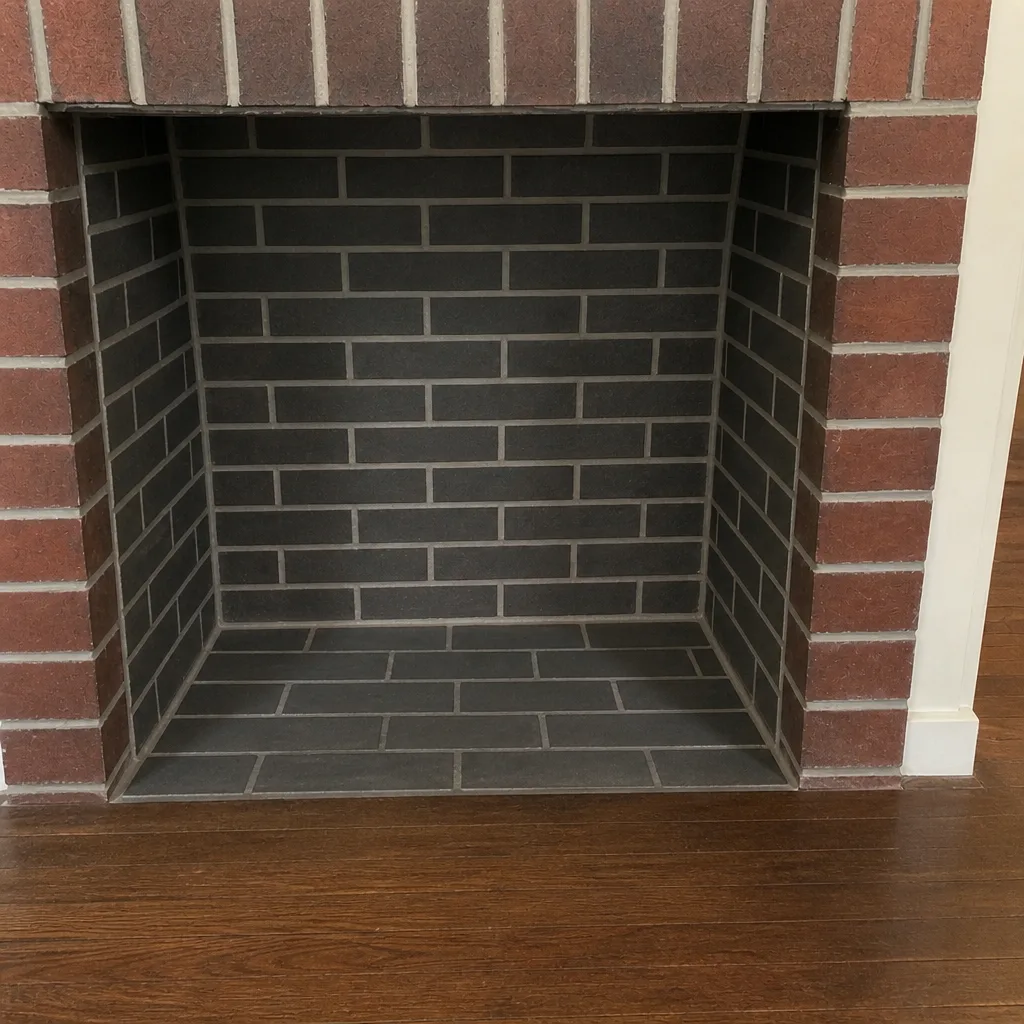
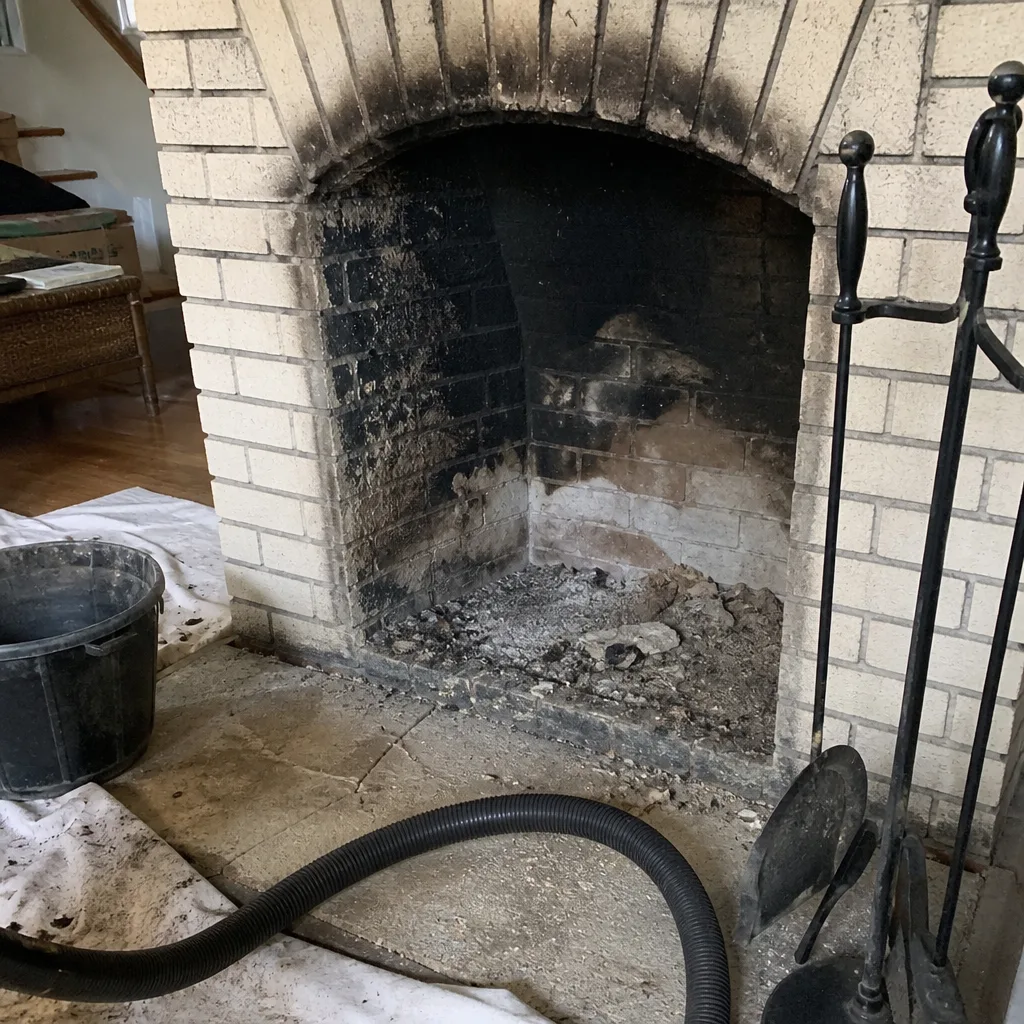
See the difference
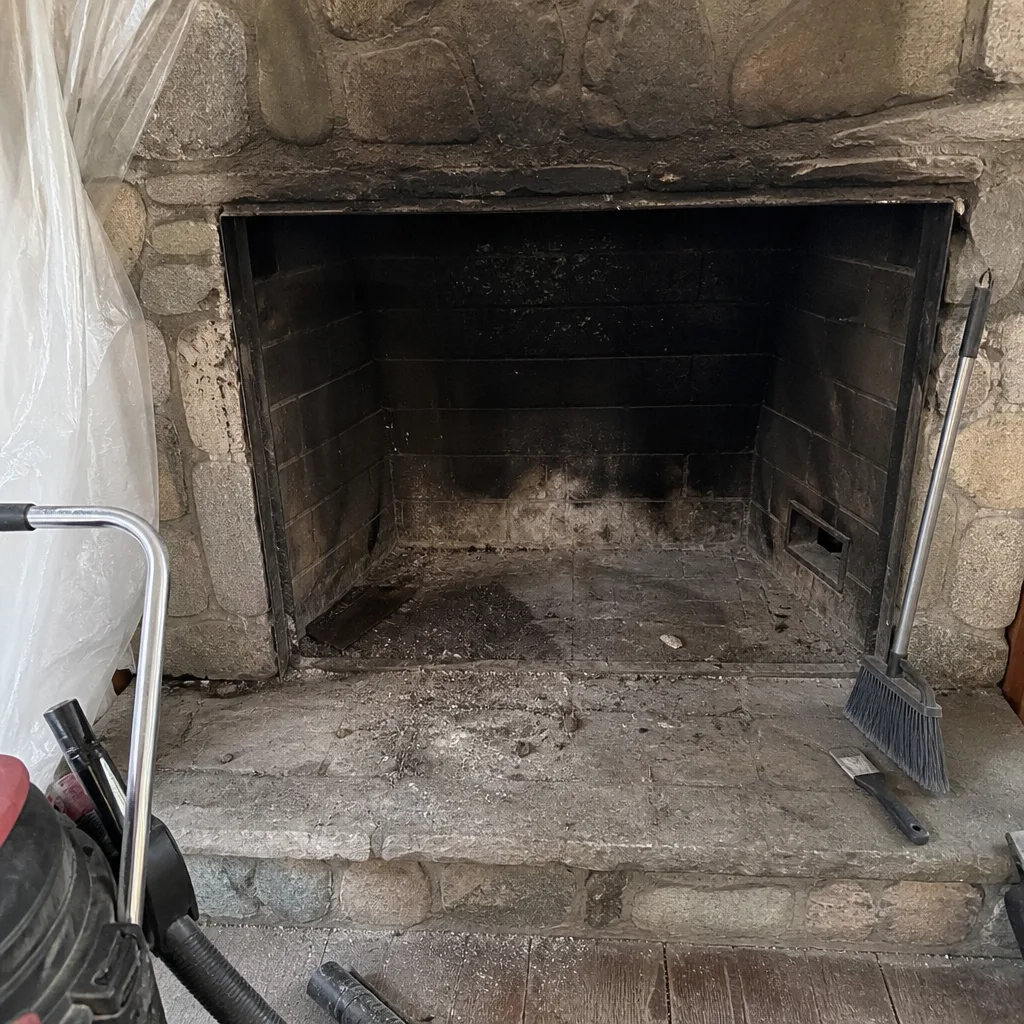 Before
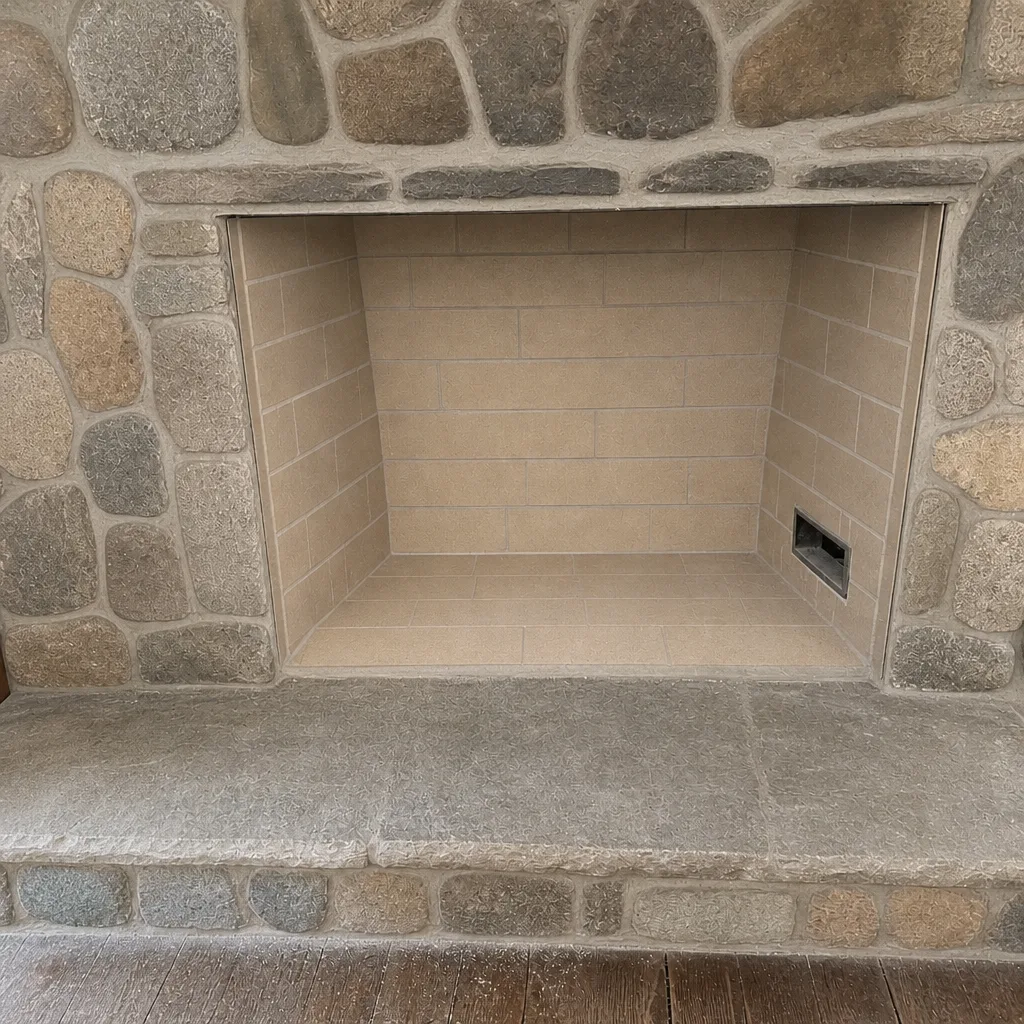 After
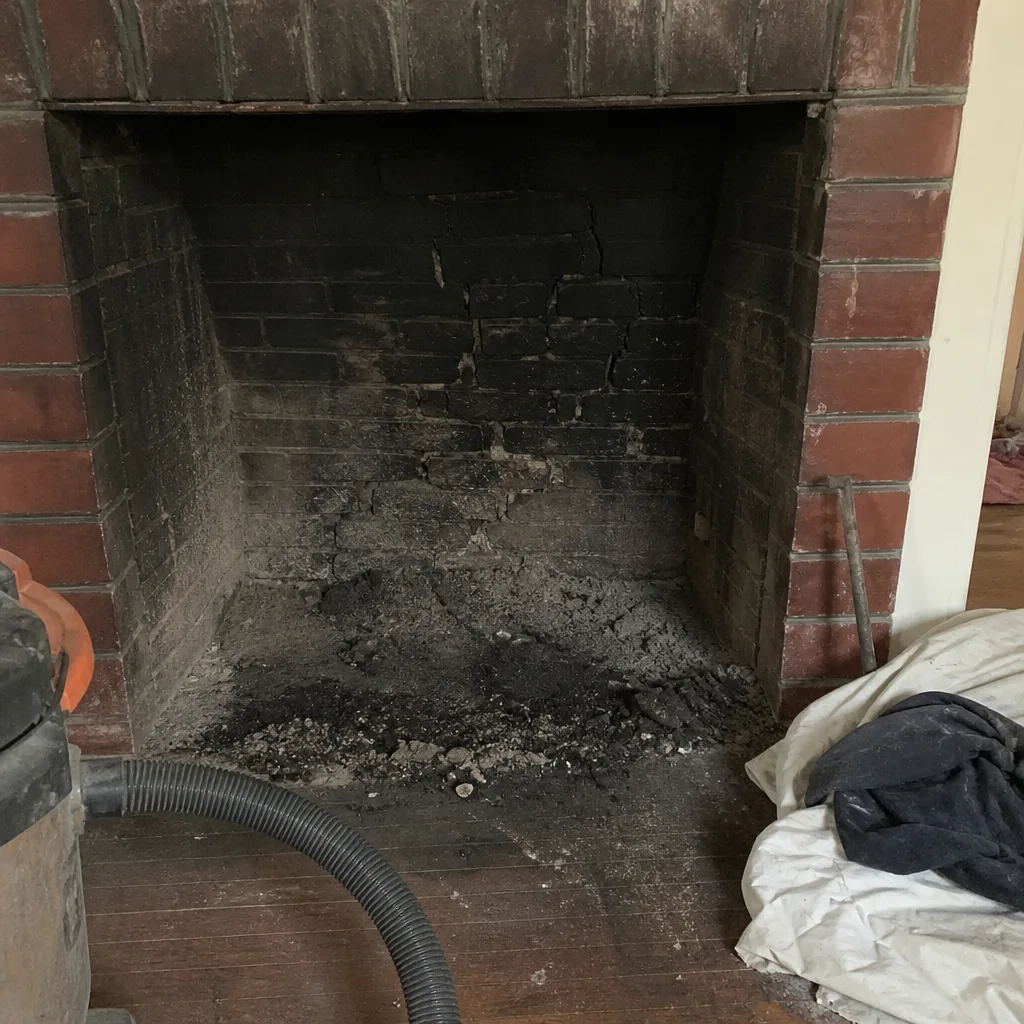 Before
 After
 Before
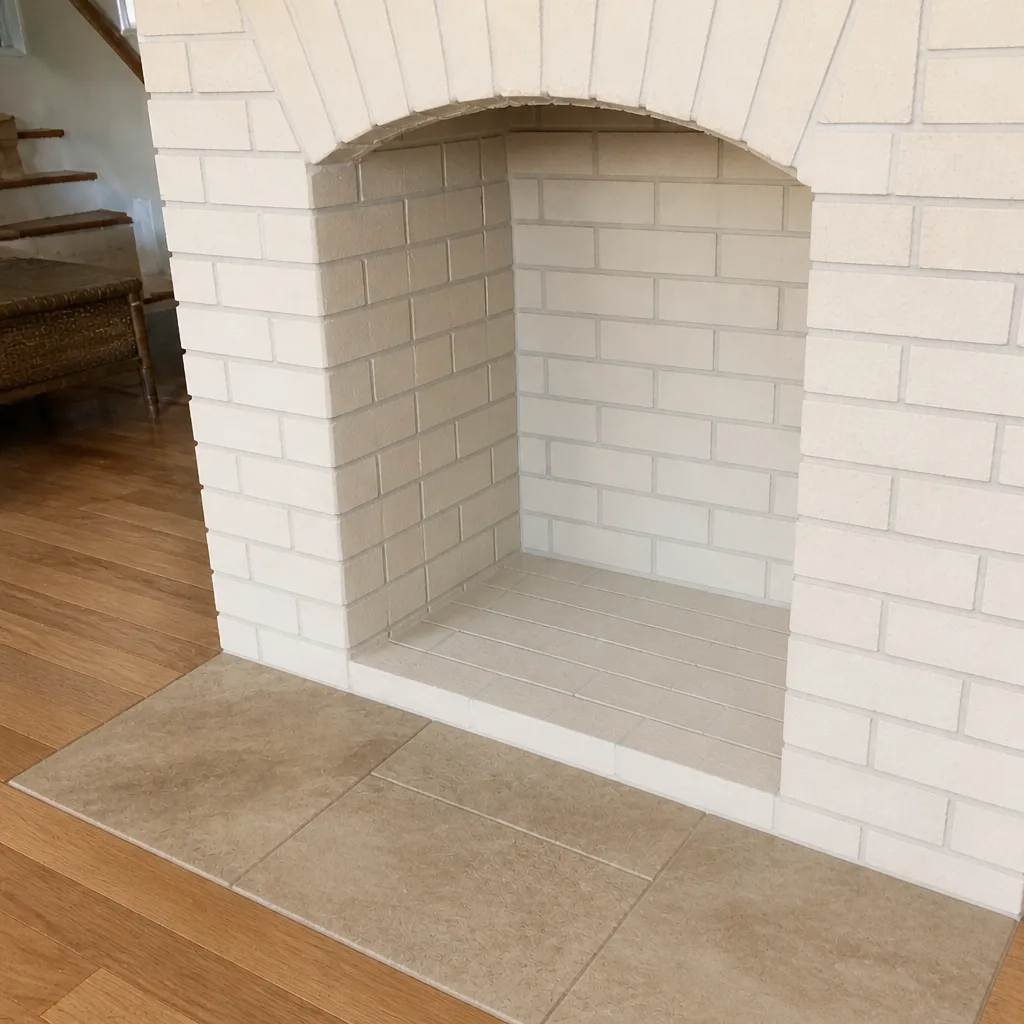 After
Common Mistakes to Avoid
- Painting over efflorescence instead of finding the water source. That white chalky stain is a symptom, not a blemish. Covering it traps the moisture inside the masonry and the damage continues to spread, heading for the liner.
- Assuming smoke rollback is just a windy day. Smoke coming into the room during a fire is a draft failure. Treating it as a minor annoyance lets the underlying blockage or draft problem get worse, and the smoke is going into the living space in the meantime.
- Skipping the exterior check because the inside “feels fine.” In Williamsbridge, the exterior brick is where freeze-thaw damage announces itself. The interior can feel normal while the masonry outside is quietly working itself apart.
- Using a generalist handyman for chimney work. A handyman can run a brush down a flue. The trouble is knowing whether the flue was clean, whether the liner is sound, whether the smoke chamber is rough, and whether the cap is shedding water. That takes trade-specific materials and diagnostic tools, including the professional-grade components certified chimney professionals specify for lasting repairs.
- Ignoring a yellow-brown smell in the summer. Creosote in the flue gives off that odor when it’s warm. If you smell it in July, the buildup is active and it’s already narrowing the flue. The time to address it is before the burning months, not after.
- Treating a gas-log fireplace like a wood-burning one. Converted fireplaces have different failure modes, different venting requirements, and different safety thresholds. A soot problem on a gas log, for example, is a combustion and venting issue, not a creosote issue. Handled as a wood flue, the real cause gets missed.
- Trusting a “clean and in good shape” verdict with no camera. Some of the most serious liner problems are invisible without a camera. If you can’t see the flue, you can’t really know. Ask for the inspection you paid for, and ask to see the image.
When to Call a Professional
Some warning signs need a phone call, not a scheduled appointment. Call today if smoke rolls back into the room during a fire, if you smell gas at a gas-log fireplace, if a carbon monoxide detector sounds, if you see a crack or gap in the flue interior with a flashlight, or if the firebox brick has pulled away from the surround. A leaning stack or visibly opening mortar joints also warrants a call. For surface staining, a stiff damper, a cracked crown, or a loose cap with no interior symptoms, you have room to book a routine visit and address it before the burning season. Chimney Sweep Williamsbridge offers free estimates in Williamsbridge. Call (866) 913-9502. We answer 24/7. Fast dispatch from 7am to 7pm, Sunday through Friday.
Frequently Asked Questions
The most common are white efflorescence on exterior brick, rust streaks below the cap or around the flashing, and a yellow-brown smell inside the house in warm months. In Williamsbridge, the wet-and-freezing winters make water-intrusion signs the ones we see most. Smoke rollback into the room and a stubborn damper come next.
White staining is efflorescence, which means water is moving through the masonry and evaporating minerals at the surface. It points to a failing crown, a bad flashing detail, or a cap that no longer sheds rain. Left unaddressed in our freeze-thaw climate, it leads to spalling brick and liner damage. It’s a warning, not a cosmetic problem.
The general industry guidance is once a year, and more often if you burn heavily or have a converted gas-log system. Williamsbridge’s wet, cold winters make an annual inspection a sensible habit. A sweep also catches the warning signs this guide covers, which is where the real value is. Call (866) 913-9502 for a free estimate.
Skipping the visit lets small, cheap problems turn into expensive ones. A cracked crown becomes a ruined liner. A stage-1 creosote film becomes a stage-3 glaze that’s a fire risk. Water doing freeze-thaw damage in our winters means each skipped season is one more chance for masonry to break apart from the inside. Call (866) 913-9502 for a free estimate to catch it early.
Do I really need a camera inspection, or is a sweep enough?
For catching the serious invisible problems, a camera inspection is what you need. A sweep cleans the flue. Only a camera shows you hairline cracks in the liner,