
Last updated November 25, 2026
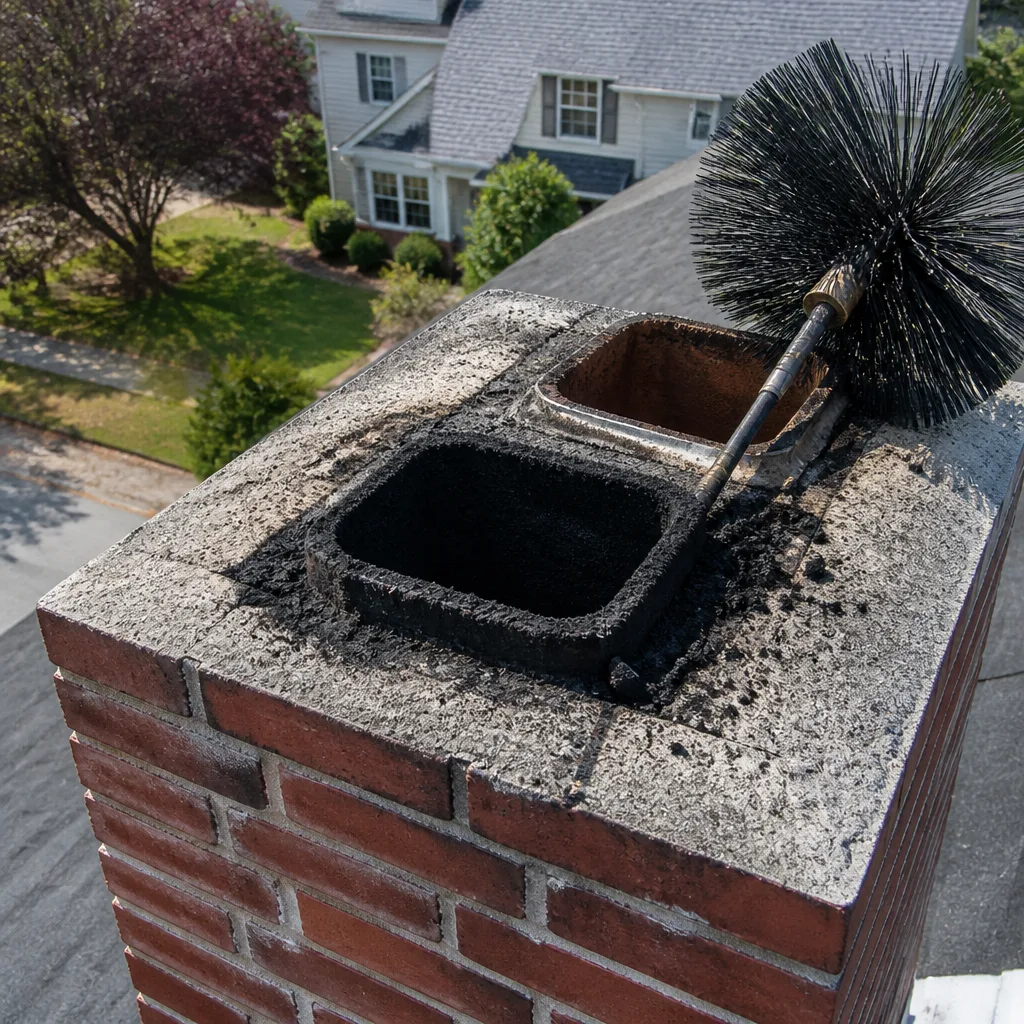 Sweep & inspection
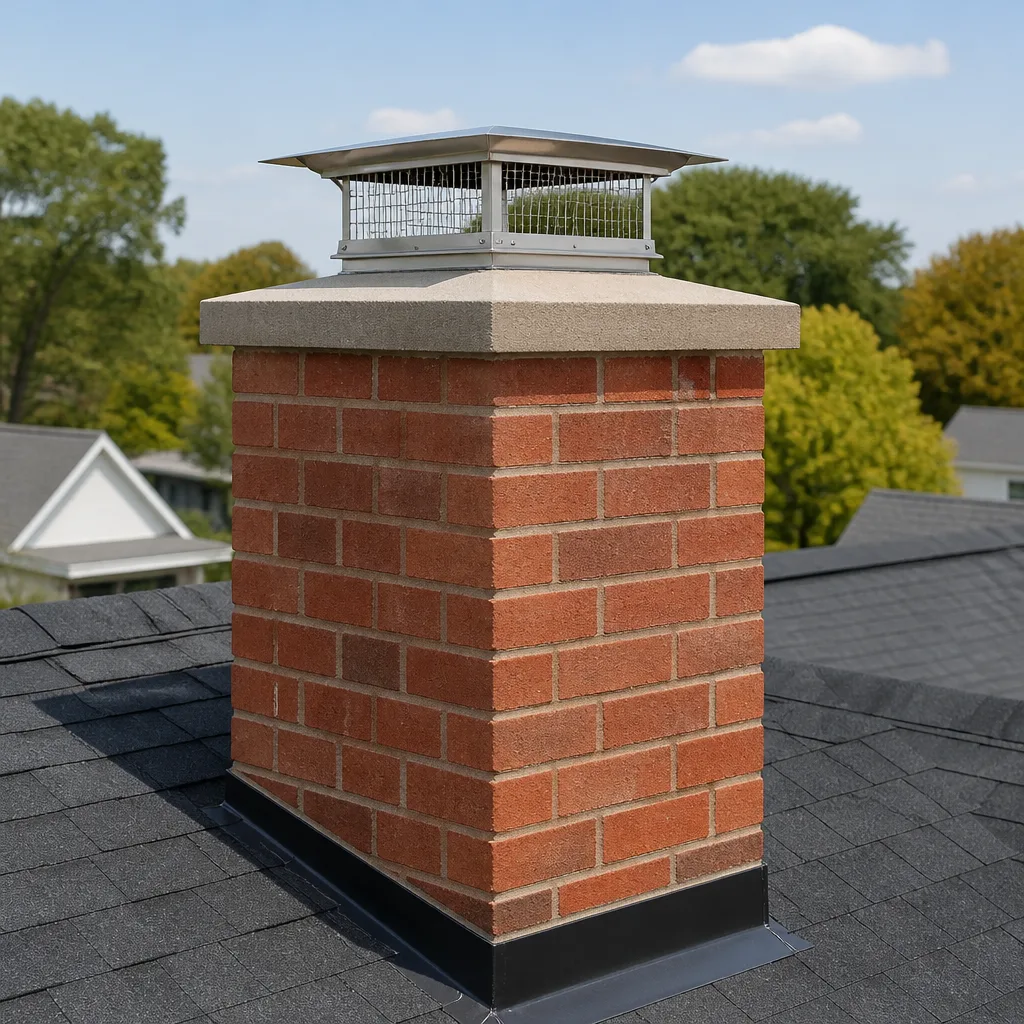 Caps & crowns
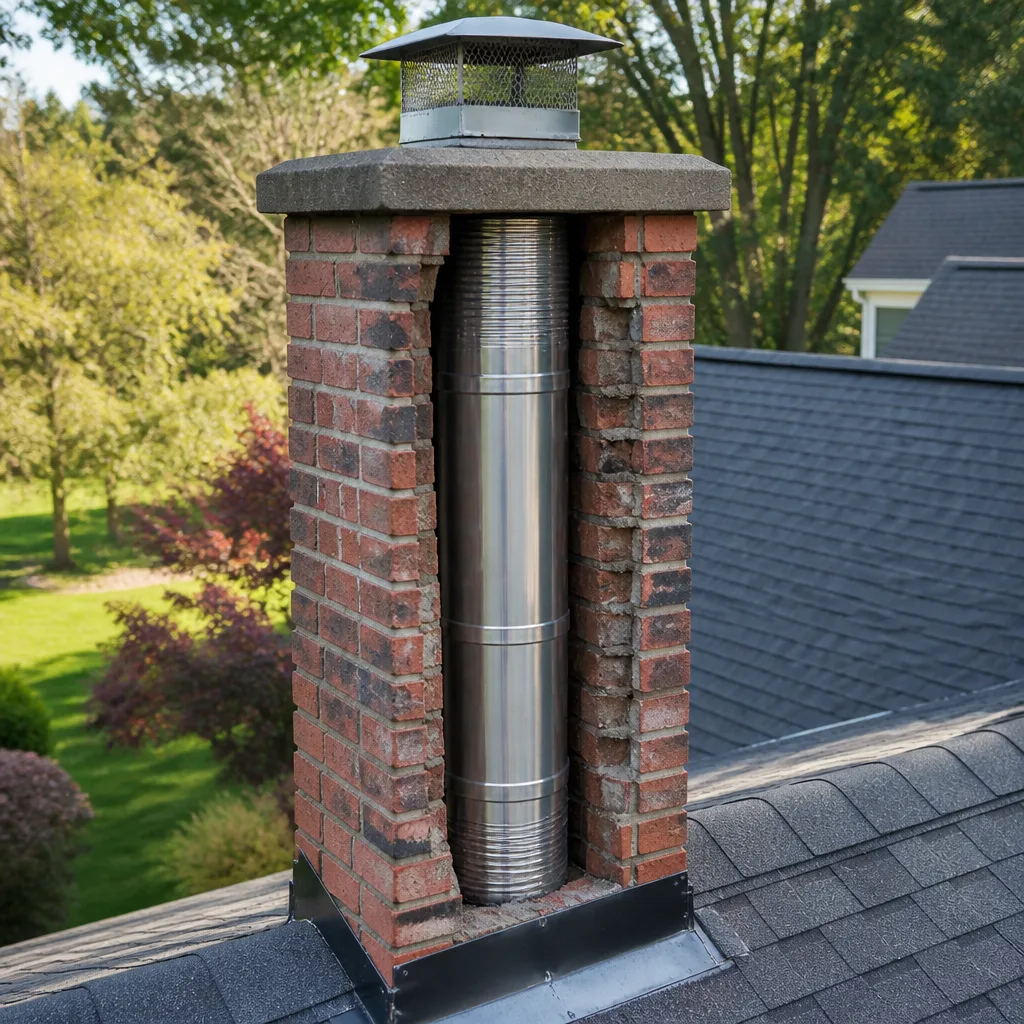 Flue relining
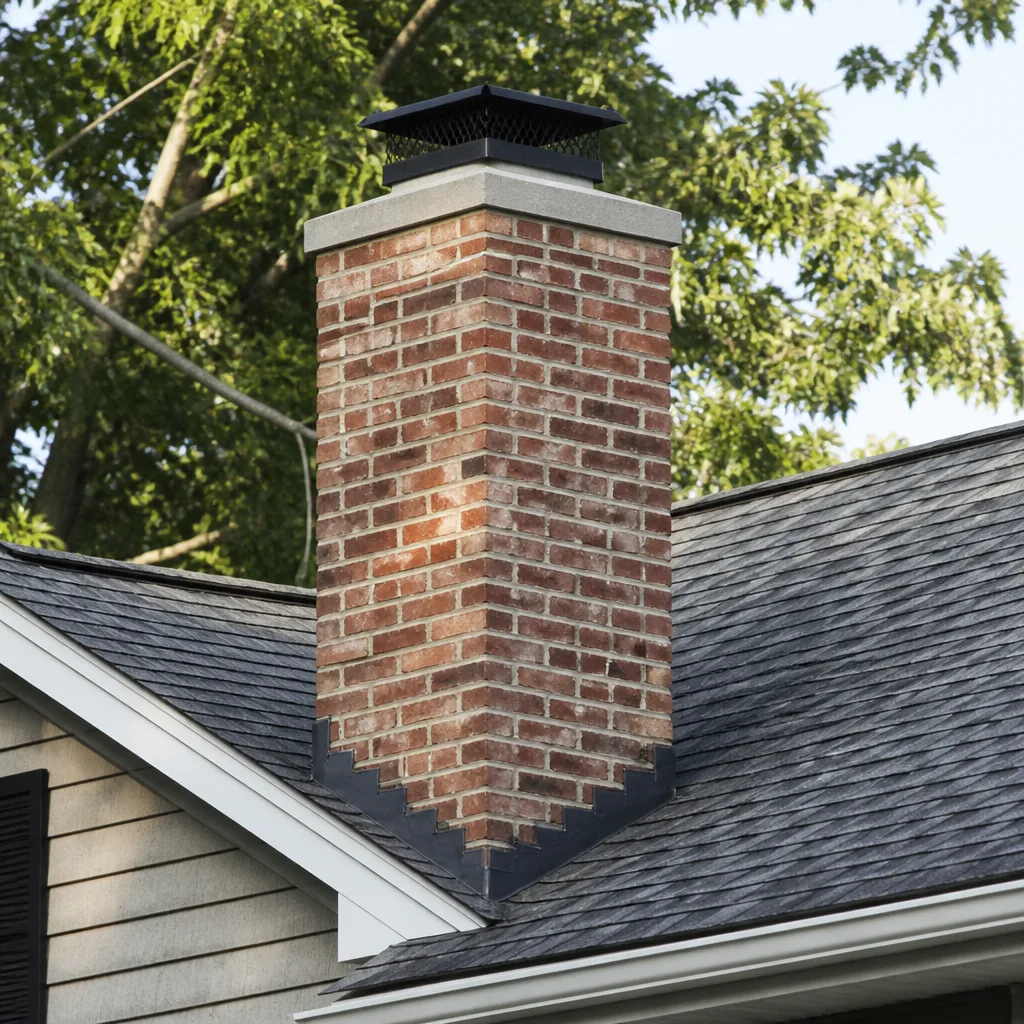 Masonry repair
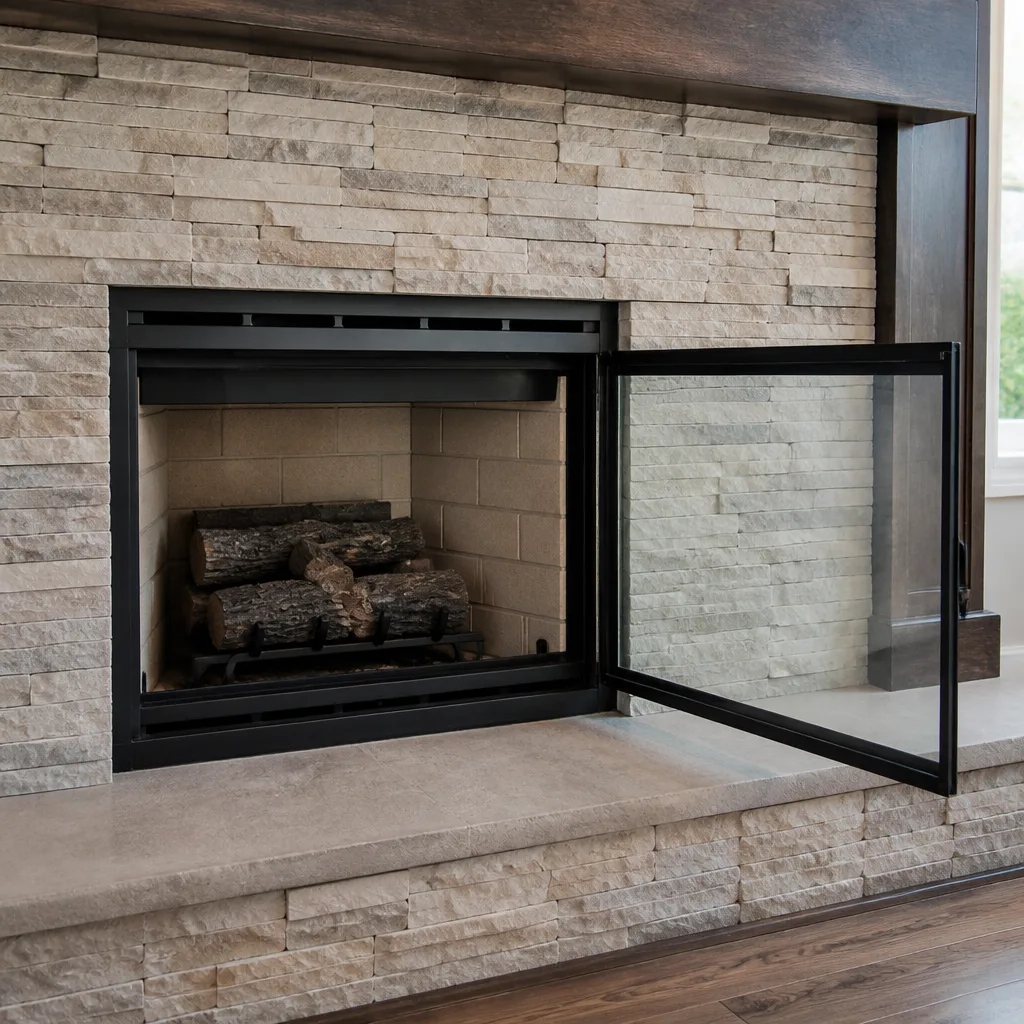 Gas fireplace service
Level 1 sweep and inspection to the NFPA 211 annual standard - flue, crown, cap, and flashing checked and photographed
Chimney sweep logs do not sweep chimneys. They loosen some creosote - which then falls where a brush and vacuum still have to collect it.
The Complete Guide to Chimney Cleaning in Williamsbridge
Most Williamsbridge homeowners think of chimney cleaning as a single job: someone comes in, runs a brush up the flue, packs up, and leaves. That picture is incomplete, and it’s where a lot of trouble starts. The National Fire Protection Association reports that failure to clean chimneys is the leading factor in chimney fires, yet the most common complaint we hear about sweep companies isn’t sloppy brushwork. It’s that nobody ever looked past the flue liner. Cleaning is really a diagnostic sequence, and the brush is only the opening step. This guide maps every stage of a proper cleaning in Williamsbridge so you know exactly what a thorough job looks like before anyone walks through your door.
Quick Answer
A proper chimney cleaning in Williamsbridge is more than brush work: it’s a sequence that starts with an inspection, moves through the actual sweep, and ends with a written report, before-and-after photos, and notes on the condition of your liner. A standard annual cleaning usually calls for a Level 1 inspection. The brush removes creosote and soot; the inspection is what tells you whether your flue is safe to keep using.
Styles & brands we work with
- Sweep & inspection
- Caps & crowns
- Flue relining
- Masonry repair
- Gas fireplace service
Table of Contents
- Why Chimney Cleaning Matters More Than Most Homeowners Realize
- The Three NFPA 211 Inspection Levels and Which One You Need
- How Williamsbridge’s Rowhouses Create Their Own Draft and Liner Challenges
- Creosote Stages: Why the Degree Matters More Than the Volume
- The Soot-to-Creosote Ratio in Gas-Converted Fireplaces
- What a Sweep Should Leave Behind
- How a Proper Cleaning Actually Runs, Step by Step
- How Often Should You Schedule a Cleaning?
Why Chimney Cleaning Matters More Than Most Homeowners Realize
Creosote is the byproduct of burning wood, and it’s the reason chimney cleaning exists. It forms as a deposit on the inside of the flue every time you burn, and it is highly combustible. When enough of it builds up, the heat from a normal fire can ignite it. That’s a chimney fire, and they often burn loudly enough for a homeowner to notice only after the damage is done, or quietly enough that nobody notices at all until an inspection turns up cracked tiles or warped metal.
There’s a second risk that gets less attention: carbon monoxide. A blocked or partially obstructed flue can push combustion gases back into the living space instead of up and out. That’s a health hazard, and it’s invisible. Cleaning and inspecting together are the only reliable way to know your flue is clear and venting the way it should.
In Williamsbridge, most of the housing stock is older, and older chimneys were built to serve wood or coal appliances, not always the fireplace insert or gas logs that sit in them now. A flue that was fine for the original setup can be undersized, unlined, or lined with tile that has cracked over decades of heating and cooling. The only way to know is to look.
The Three NFPA 211 Inspection Levels and Which One You Need
The National Fire Protection Association sets out three levels of chimney inspection in its standard NFPA 211, and knowing which one applies to your situation is the difference between a routine cleaning and a proper diagnosis. Most homeowners have never heard of these tiers. A professional sweep should know them cold.
- Level 1. This is the standard inspection that accompanies an annual cleaning. It covers readily accessible portions of the chimney, the firebox, and the flue, using basic tools and no destructive access. If your appliance and fuel type haven’t changed and you’ve had no chimney fire or event, a Level 1 is usually the right call.
- Level 2. This is more thorough and typically involves a camera inspection of the flue interior. It applies after a chimney fire, an earthquake, a change in fuel type or appliance, or a property sale. A camera lets the technician see cracks, gaps in the liner, and offsets that a visual look from the firebox simply cannot reveal.
- Level 3. This is the diagnostic of last resort, used when a Level 1 or Level 2 finds a serious problem that requires opening up concealed parts of the chimney or building to investigate further. It’s rare, and it’s reserved for cases where access is genuinely needed.
For a standard annual cleaning in Williamsbridge, a Level 1 inspection is the norm. If you’ve just bought the house, are selling it, or have had a chimney fire, you want a Level 2 with a camera. A sweep who doesn’t explain which level you’re getting, or who skips the inspection entirely, is doing half the job.
How Williamsbridge’s Rowhouses Create Their Own Draft and Liner Challenges
Williamsbridge is dense with attached homes, rowhouses, and two- and three-family buildings, and that housing pattern shapes chimney behavior in ways a detached suburban house never has to deal with. Chimneys in these buildings often share party walls, sit closer to neighboring rooflines, and rise less far above surrounding structures than a freestanding house would. All of that affects draft.
Draft is the upward pull that carries smoke and gases out of the flue. When a chimney is short, surrounded by taller buildings, or shares a tight stack of flues with neighboring units, the pull can be weak. Weak draft means smoke rolls back into the room, creosote deposits more heavily, and the flue never really dries out between fires. In Williamsbridge’s attached housing, we see more of this than you’d find in a spread-out suburb where every chimney stands alone against open sky.
Liner condition is the other Williamsbridge-specific issue. Clay tile liners were common in older rowhouses, and decades of heating and cooling cycles crack them. A cracked tile is not cosmetic. It lets heat and gases reach the surrounding masonry and, in a shared chimney, potentially affect the neighboring flue. When a liner is beyond saving, a flexible stainless system such as DuraFlex is the professional route, because it creates a continuous, sealed flue inside the old one rather than relying on tile that may fail again. Proper draft and a sound, correctly sized liner are what make the whole system work in a building like this.
Creosote Stages: Why the Degree Matters More Than the Volume
Homeowners often judge chimney cleaning by how much black stuff came out. That’s the wrong measure. What matters is the stage of the creosote, because the degree tells you how flammable and how stubborn the deposit is. There are three recognized stages, and they behave very differently.
- First-degree creosote is a light, soot-like dusting. It brushes off fairly easily and is what you’d expect from regular burning with decent draft and dry wood.
- Second-degree creosote is flaky, crusty, and sometimes shiny. It’s the buildup that hints at cooler flue temperatures and can be a serious fire risk. It doesn’t come off with a light brush; it needs proper sweeping tools and technique.
- Third-degree creosote is a hardened, glazed deposit, baked onto the flue like a coating. It’s the most dangerous form because it’s highly combustible and the hardest to remove. A standard brush can skate right over it. This is where professional resurfacing products come in: HeatShield is used to restore and smooth a deteriorated or glazed flue surface as an engineered repair rather than a repeat brushing that never quite gets it all.
A small amount of second- or third-degree creosote is a bigger concern than a large amount of the first-degree kind. When a sweep tells you your flue is “pretty dirty,” ask what stage the buildup is in. That’s the number that matters.
The Soot-to-Creosote Ratio in Gas-Converted Fireplaces
A lot of Williamsbridge’s older housing stock has fireplaces that were converted to gas logs or gas inserts at some point. The conversion changes what the fireplace produces, and it changes what cleaning needs to look like. A wood fire leaves creosote. A gas fire leaves a different residue, mostly soot and a fine, sometimes oily film, with little to no creosote of its own.
That sounds easier to clean, and in one sense it is. But the low soot-to-creosote ratio creates a trap: homeowners assume gas means the chimney never needs attention. It does. An unvented or poorly drafted gas appliance can deposit moisture and acidic condensate in the flue, and the residue that does form needs to be cleared so the flue stays sound. A gas-converted fireplace should still be part of your annual cleaning and inspection routine. If the housing stock is older and the fireplace has switched fuels over the years, ask specifically whether a camera inspection makes sense, since the change in fuel is one of the situations where a Level 2 look is warranted.
What a Sweep Should Leave Behind
A receipt is not a chimney report, and the difference matters. The most common frustration with sweep companies is that after the visit, the homeowner has no real idea what condition the system was in or what the technician actually found. A thorough cleaning should end with documentation you can hold and refer back to.
- A written report. It should note what was cleaned, what was observed, and the condition of the flue, firebox, and cap. Plain language, not a checkbox form with no detail.
- Before-and-after photos. A camera image of the flue before and after tells you in a glance what the work accomplished. You shouldn’t have to take the technician’s word that it was needed.
- Liner condition notes. Was the liner intact? Any cracks, gaps, or sections of missing tile? This is the finding that most affects your safety and your next step.
- A plain recommendation, with evidence. If work is suggested beyond the cleaning, you should be able to see the photos or camera footage that justify it. If nothing needs doing right now, a good sweep tells you that too.
That last point is the core of honest diagnosis: inspect first, recommend second. When a sweep is offered as a standalone diagnostic, that’s the signal you want. You’re not being sold a sweep plus whatever the technician can find. You’re getting the cleaning and an independent read on the system’s condition. That’s the standard to hold anyone to before they enter your home.
How a Proper Cleaning Actually Runs, Step by Step
Here’s what a thorough cleaning looks like from the inside. Knowing the sequence helps you recognize when something is being skipped, and lets you ask informed questions.
- Protect the room. Drop cloths and a proper seal at the firebox keep soot out of your living space. A sweep who doesn’t set up protection first is already cutting corners.
- Inspect before sweeping. This is the diagnostic step. The technician checks the firebox, damper, flue, and cap before any brush goes up. The findings guide the whole job.
- Run a camera to see the flue interior. For a Level 2, a camera records the inside of the flue, revealing cracks, gaps in the liner, and offsets that a firebox view can’t show. A chimney repair decision should always rest on what the camera sees.
- Sweep the flue. The brush work follows the inspection, not the other way around. Creosote stage determines which tools and technique are used.
- Clean the firebox and smoke shelf. The firebox itself holds soot and debris. Cleaning it out is part of the job, not an add-on.
- Check the cap and crown. The top of the chimney is where water gets in and animals get out (and in). A quick look at the chimney cap & crown during the visit catches problems before they become structural.
- Document and report. Photos, condition notes, and a written summary. You should walk away knowing exactly what was found.
Every step serves a purpose, and skipping the inspection to get to the brush faster is exactly the shortcut that leads to missed cracks and unsound liners.
How Often Should You Schedule a Cleaning?
Once a year is the standard answer, and for most Williamsbridge homes it holds up. But the schedule also depends on how much you burn and how clean your fuel is. Here’s a rough way to think about it:
- Regular wood burning, light use. An annual cleaning with a Level 1 inspection keeps things safe.
- Heavy or frequent wood burning. More frequent checks may be warranted if you burn a lot, especially in the colder months.
- Gas-converted fireplace. Still annual, because the residues and moisture are different but real.
- After any chimney fire or event. A Level 2 camera inspection right away, regardless of where you are in the annual cycle.
- Buying or selling a home. A Level 2 inspection with camera, before close.
The seasonal timing matters more in Williamsbridge than many people realize. Heating systems that sat idle all summer can develop problems over the warmer months, and the first fire of the season is when weak draft and blocked flues show themselves. Getting the cleaning and inspection done before the heating season starts means you’re not discovering a problem on the coldest night of the year.
Common Mistakes to Avoid
- Treating the cleaning as the whole job. The brush removes buildup; the inspection tells you whether the flue is safe. If a sweep skips the inspection, you don’t actually know the condition of your chimney, no matter how clean the firebox looks.
- Skipping the camera on a Level 2 trigger. After a purchase, a sale, or any chimney event, a Level 1 look isn’t enough. A cracked liner can hide behind a firebox wall in a Williamsbridge rowhouse and go unseen without a camera.
- Judging the job by how much creosote came out. A little second- or third-degree creosote is more dangerous than a lot of first-degree dusting. Ask about the stage, not the volume.
- Assuming gas means no cleaning. Gas-converted fireplaces still leave residue and moisture that need to be cleared, and they still need an annual inspection.
- Ignoring the cap and crown. Water intrusion at the top is one of the most common causes of masonry damage. A cleaning visit is the natural time to check it.
- Hiring on price alone. A cheap sweep that leaves no report, skips the inspection, and can’t tell you the condition of your liner isn’t a bargain. You’re paying for the diagnosis, not just the brush.
- Not asking what inspection level you’re getting. A sweep who can’t explain the difference between Level 1, Level 2, and Level 3 is telling you something about how they work.
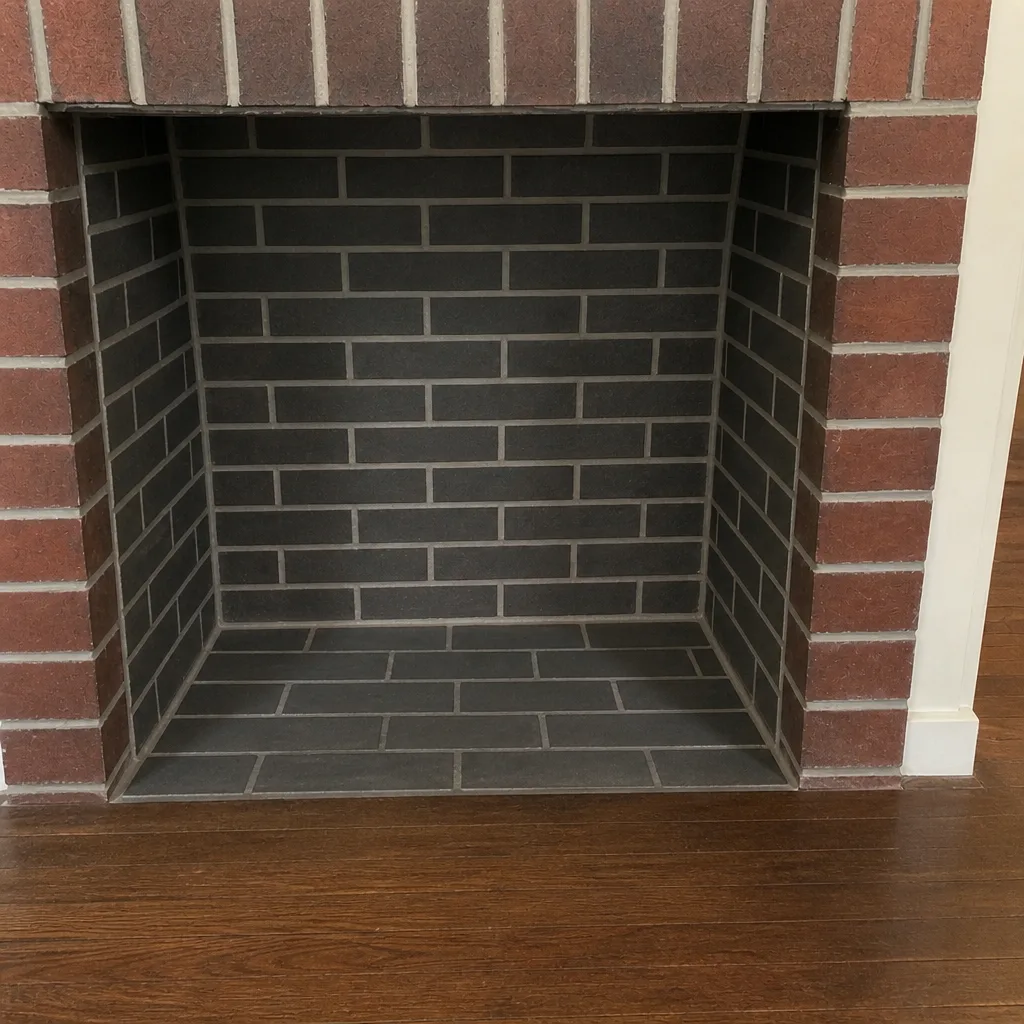
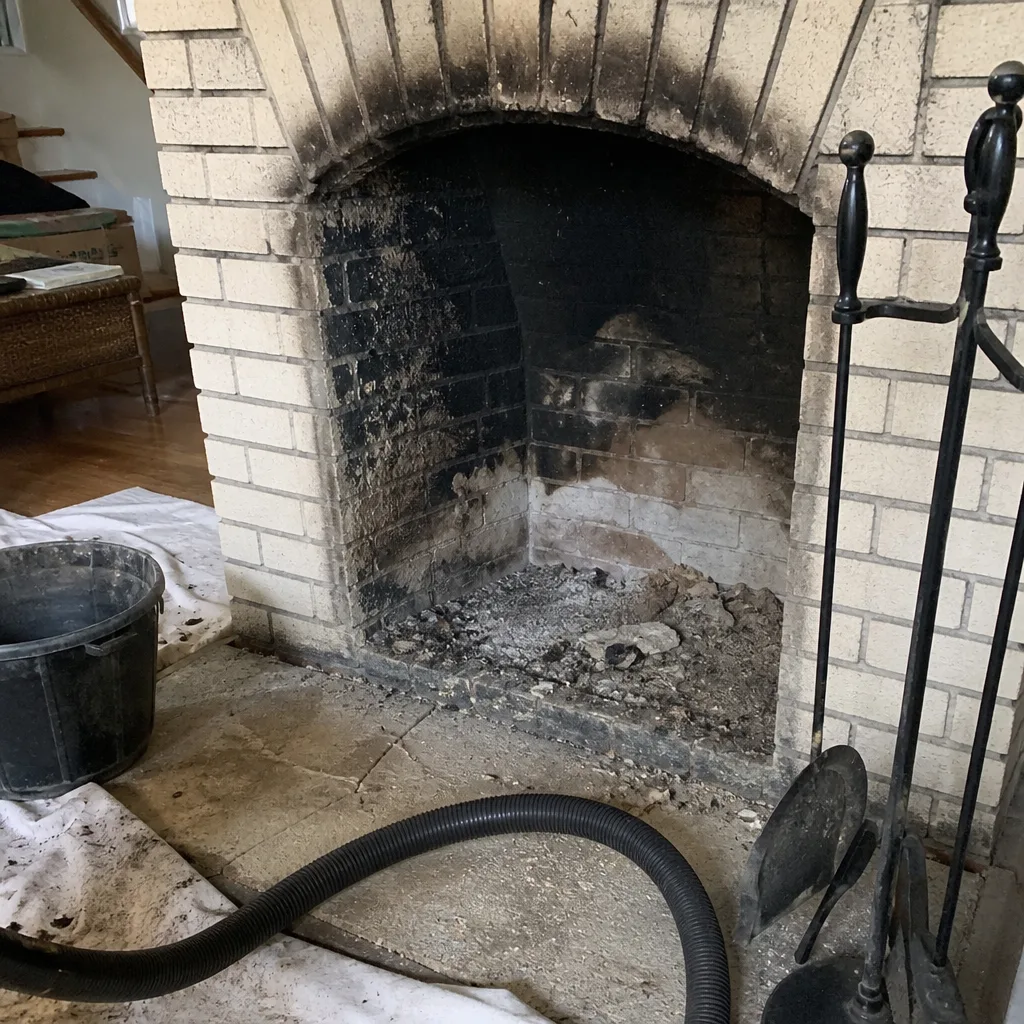
See the difference
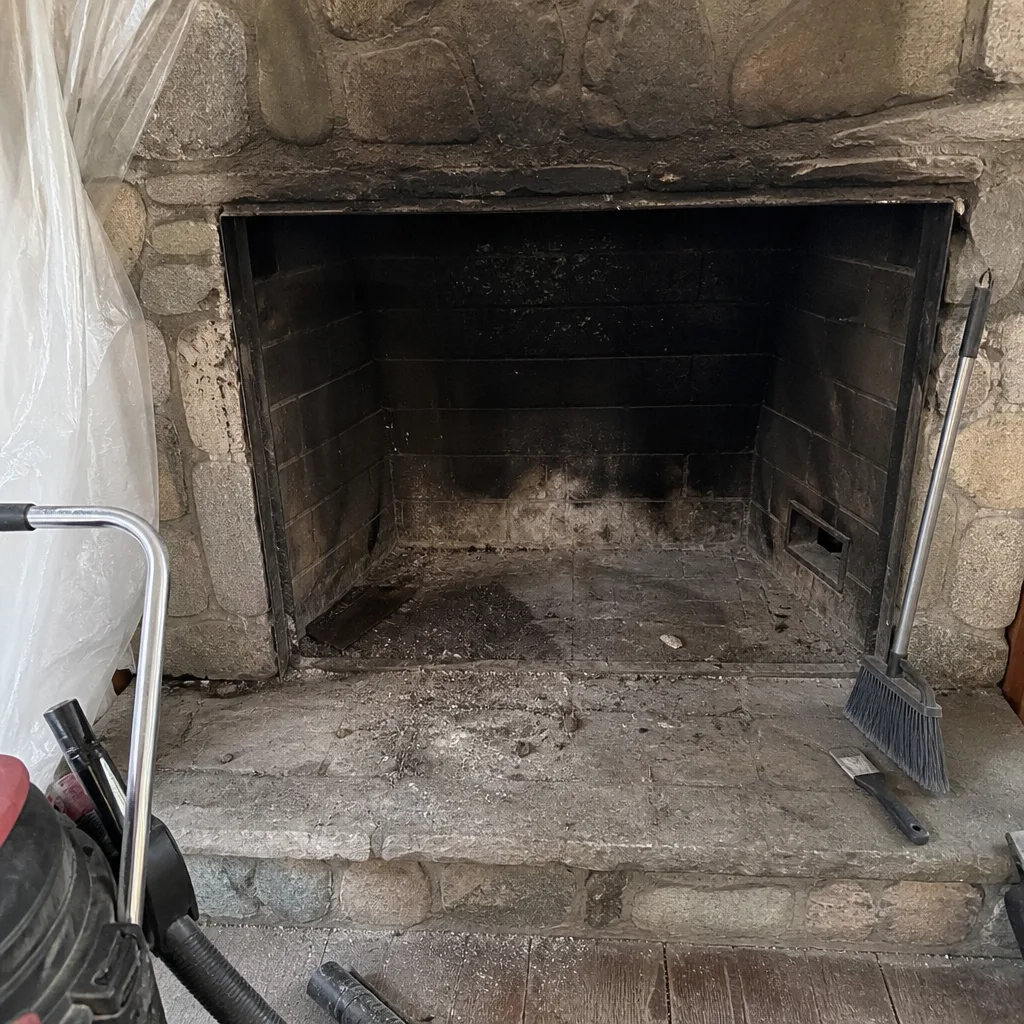 Before
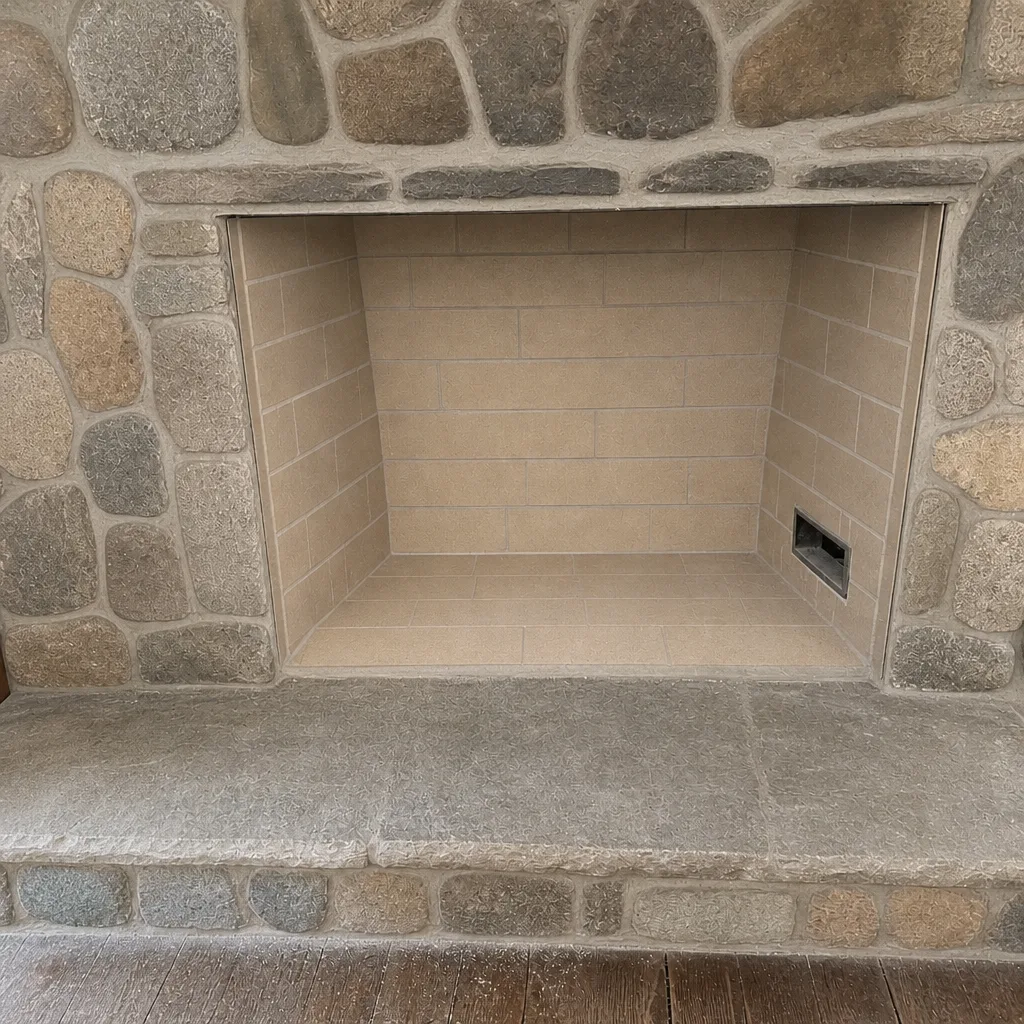 After
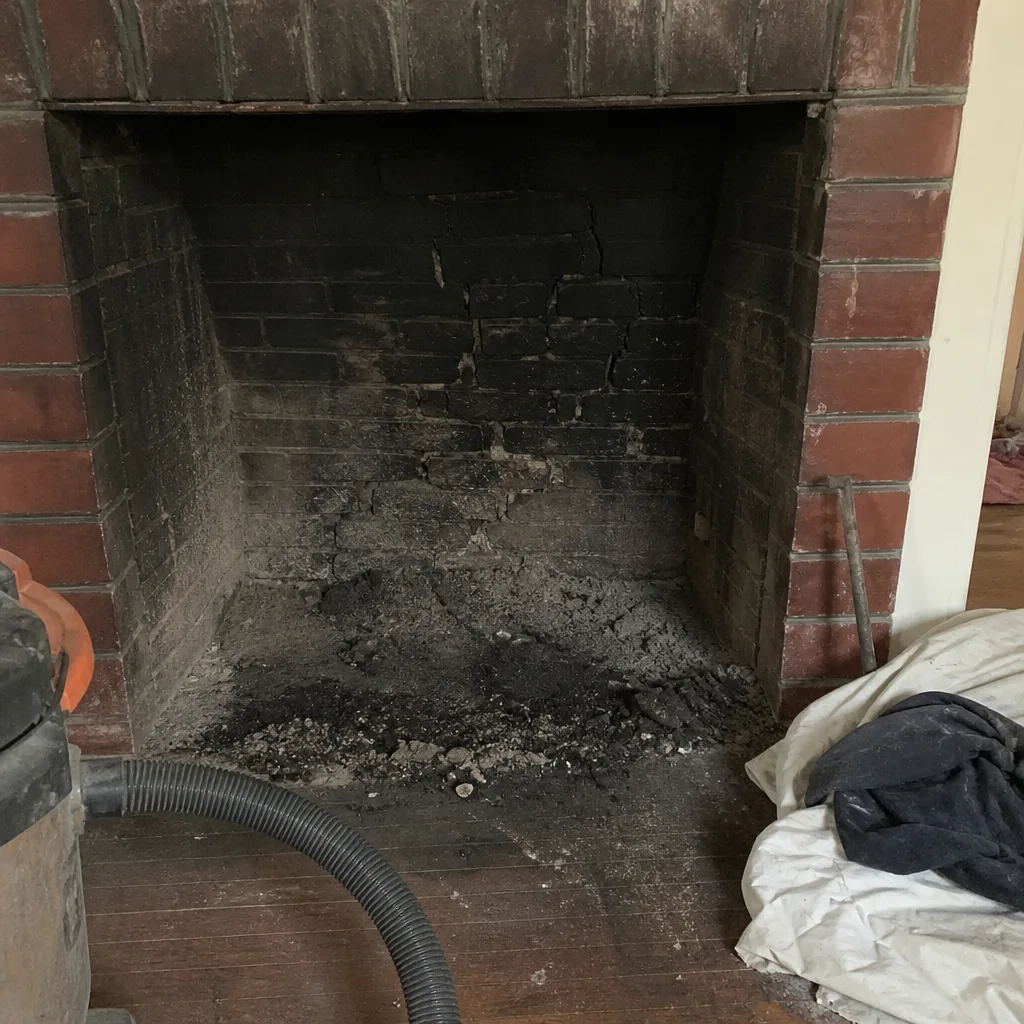 Before
 After
 Before
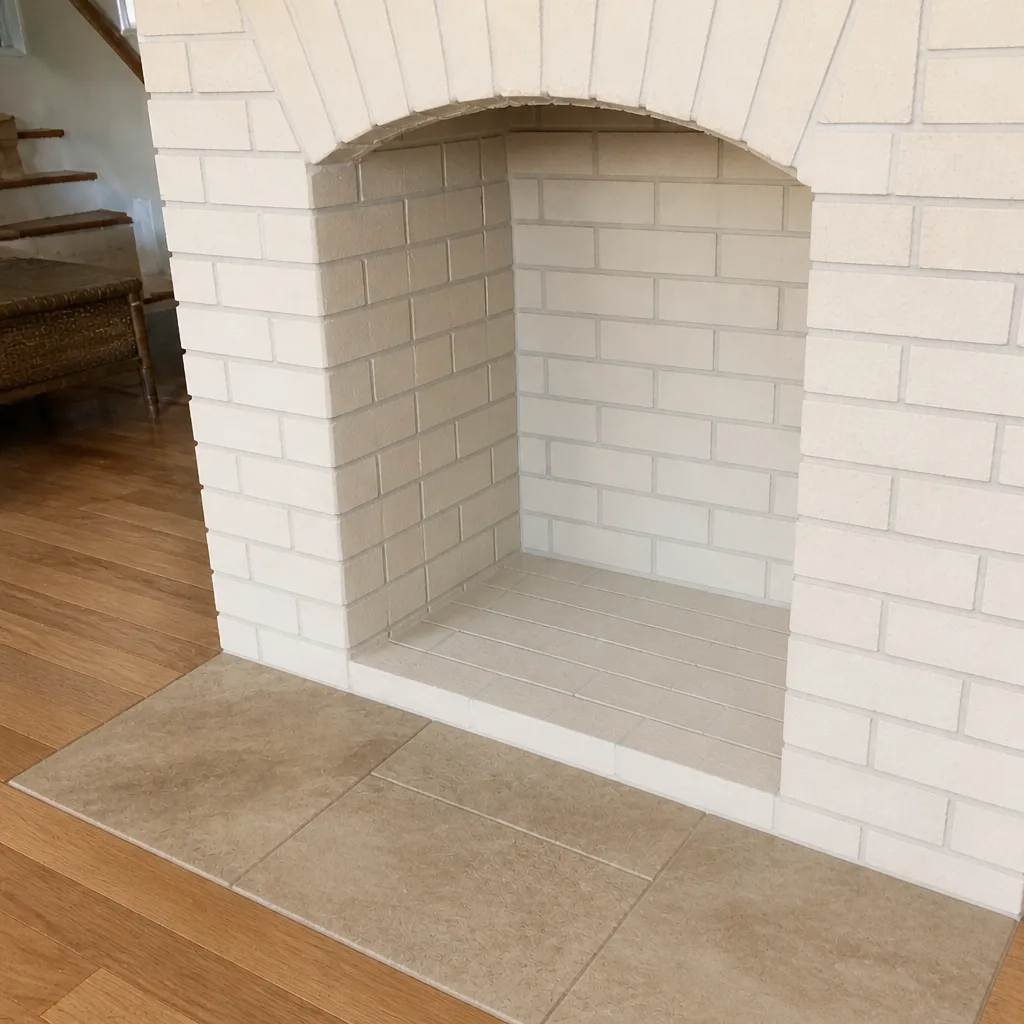 After
When to Call a Professional
Some situations call for a professional sweep sooner rather than later. If you’ve never had your chimney cleaned and you don’t know when it was last done, that’s reason enough. If you’ve had a chimney fire, a change in fuel type, or you’re buying or selling a home in Williamsbridge, you need a Level 2 camera inspection, not a routine brush. If smoke rolls back into the room when you burn, if you notice creosote stains or a strong smell even when there’s no fire, or if the masonry shows cracks or spalling, those are signs the system needs a proper diagnosis. And if a generalist contractor has suggested expensive liner or masonry work, an independent inspection first is the honest way to know whether it’s actually needed. Chimney Sweep Williamsbridge offers free estimates in Williamsbridge. Call (866) 913-9502 to schedule.
Frequently Asked Questions
A standard chimney cleaning is priced per job by a written estimate, and the final price depends on the condition of your flue, the stage of the creosote, and whether a camera inspection is needed. We give you a flat-price sweep agreed before booking, and the estimate is free. Call (866) 913-9502 for an exact quote.
Not unless the evidence says so. A new liner is recommended only when the camera inspection shows real damage, such as cracked tiles, gaps, or a flue that can no longer contain heat and gases safely. If the liner is sound, you don’t need one. We show you the camera footage so you can see the condition for yourself before anyone recommends replacement. Call (866) 913-9502 to schedule an inspection.
Once a year is the standard for most homes, with more frequent attention if you burn heavily. Gas-converted fireplaces still need an annual cleaning and inspection. If you’ve had a chimney fire or you’re buying or selling your home, a Level 2 camera inspection should happen regardless of where you are in the annual cycle. Call (866) 913-9502 for an exact quote.
Creosote builds up, and at a certain stage it becomes combustible enough that a normal fire can ignite it. A blocked or damaged flue can also push carbon monoxide back into your home instead of venting it outside. Those are the real risks, and they’re why cleaning and inspection go together. Call (866) 913-9502 to get your flue checked.
For a standard annual cleaning with no recent events and no change in fuel type, a Level 1 is typically the right call. But Williamsbridge’s older attached housing and fuel conversions are exactly where liners crack and go unseen. If you’ve bought the home, sold it, changed fuels, or had a chimney fire, ask for a Level 2 with a camera. Call (866) 913-9502 and we’ll tell you which level fits your situation.
Weak draft is the usual cause, and in Williamsbridge’s rowhouses and attached buildings it’s common because chimneys often share party walls and rise less far above surrounding structures. A short or partially blocked flue, a damaged liner, or a clogged cap can all reduce the pull. A camera inspection and a look at the cap and crown will find the cause. Call (866) 913-9502 to schedule a diagnostic.
The Bottom Line
Chimney cleaning in Williamsbridge is a diagnostic sequence, not a one-step brush job. The inspection comes first, the sweep follows, and the visit ends with a written report, photos, and honest notes on the condition of your liner. Creosote stage matters more than volume. Rowhouse housing and gas conversions change what your chimney needs. And any recommendation to do more work should rest on camera evidence you can see for yourself. Clean the flue, inspect the whole system, document the findings, and you’ll know your fireplace is safe to use before the heating season starts. One call covers the full flue, from the firebox to the cap.
For a free estimate on chimney cleaning in Williamsbridge, call Chimney Sweep Williamsbridge at (866) 913-9502. We answer 24/7. Fast dispatch from 7am to 7pm, Sunday through Friday.
Written by the team at Chimney Sweep Williamsbridge.