
Last updated November 25, 2026
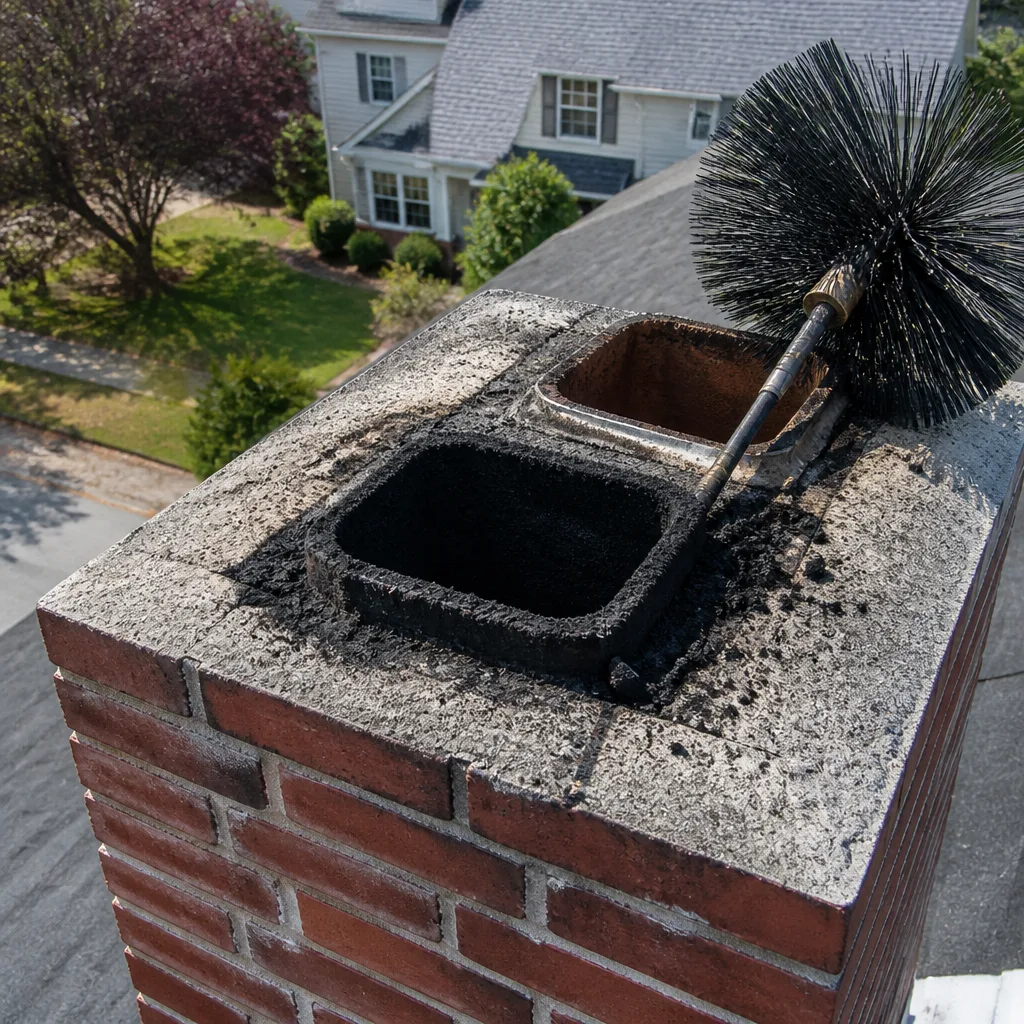 Sweep & inspection
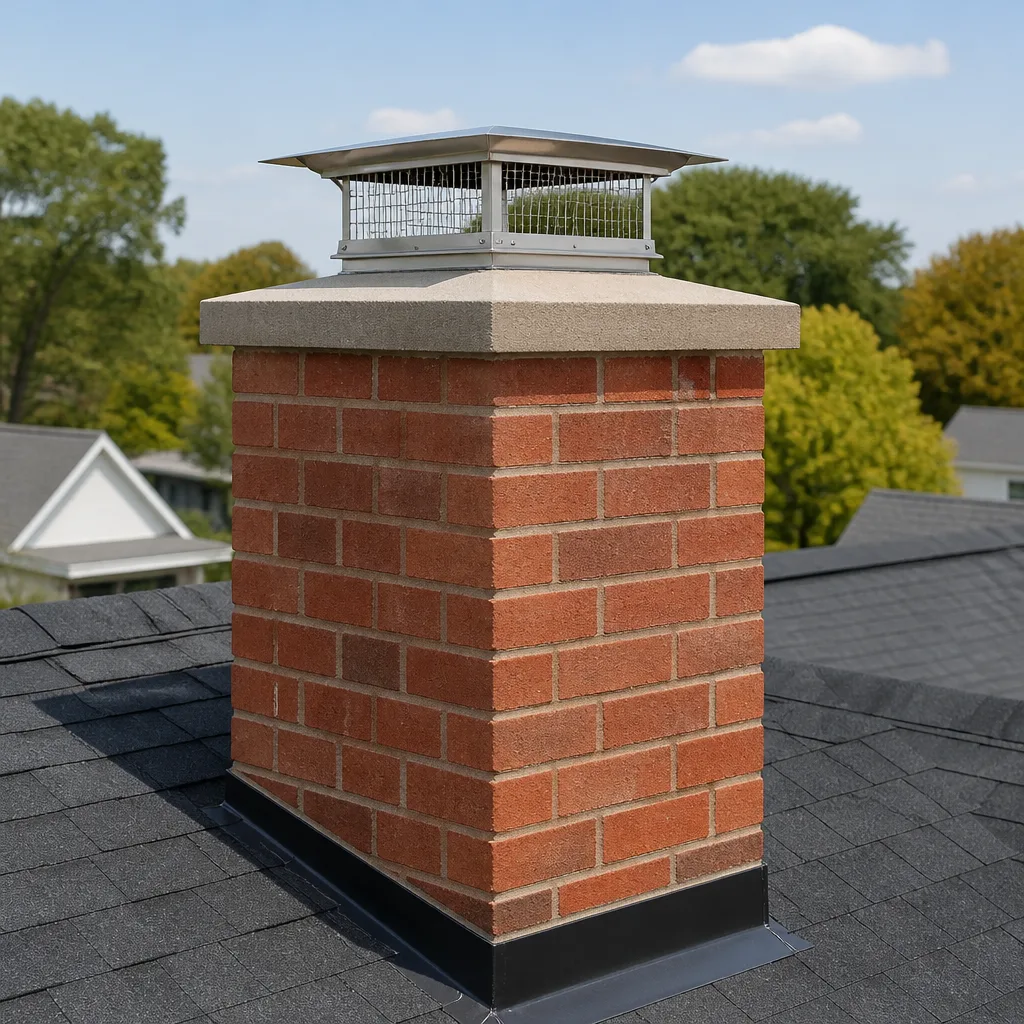 Caps & crowns
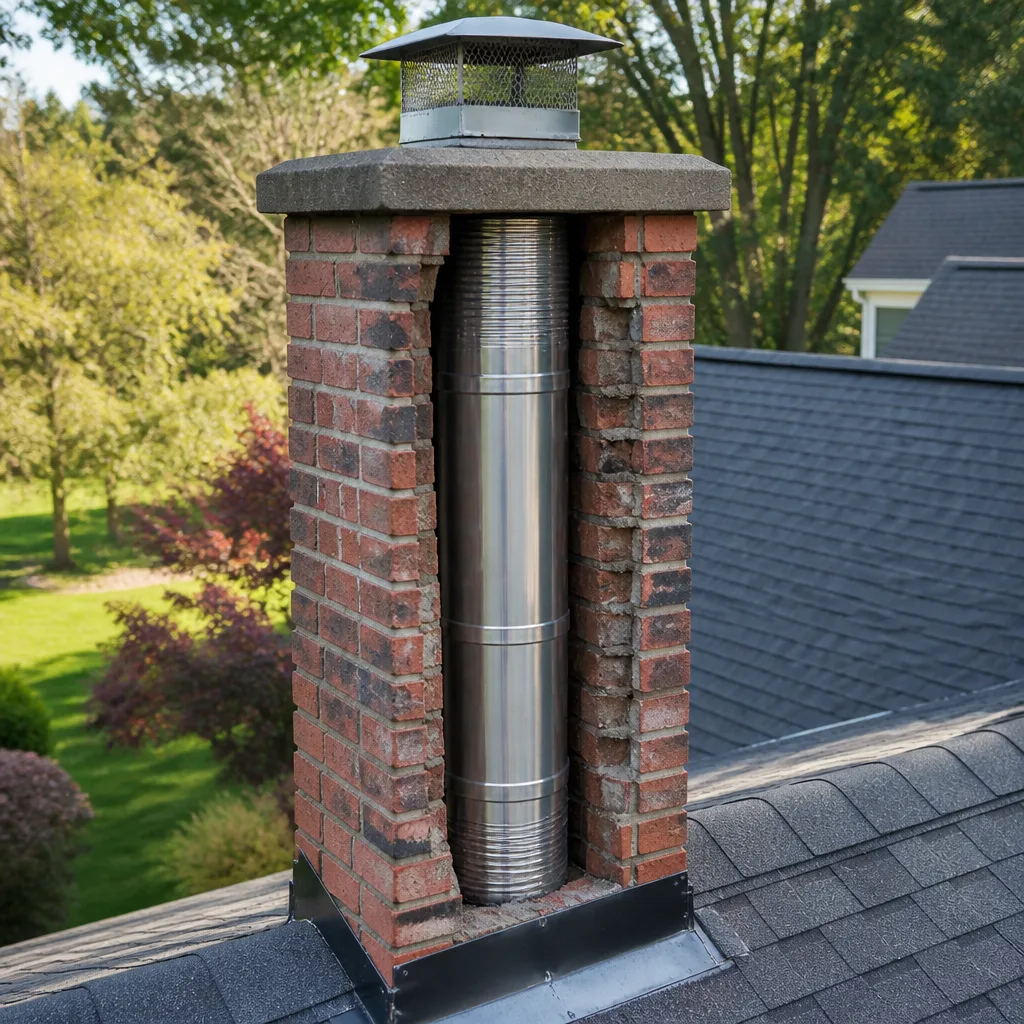 Flue relining
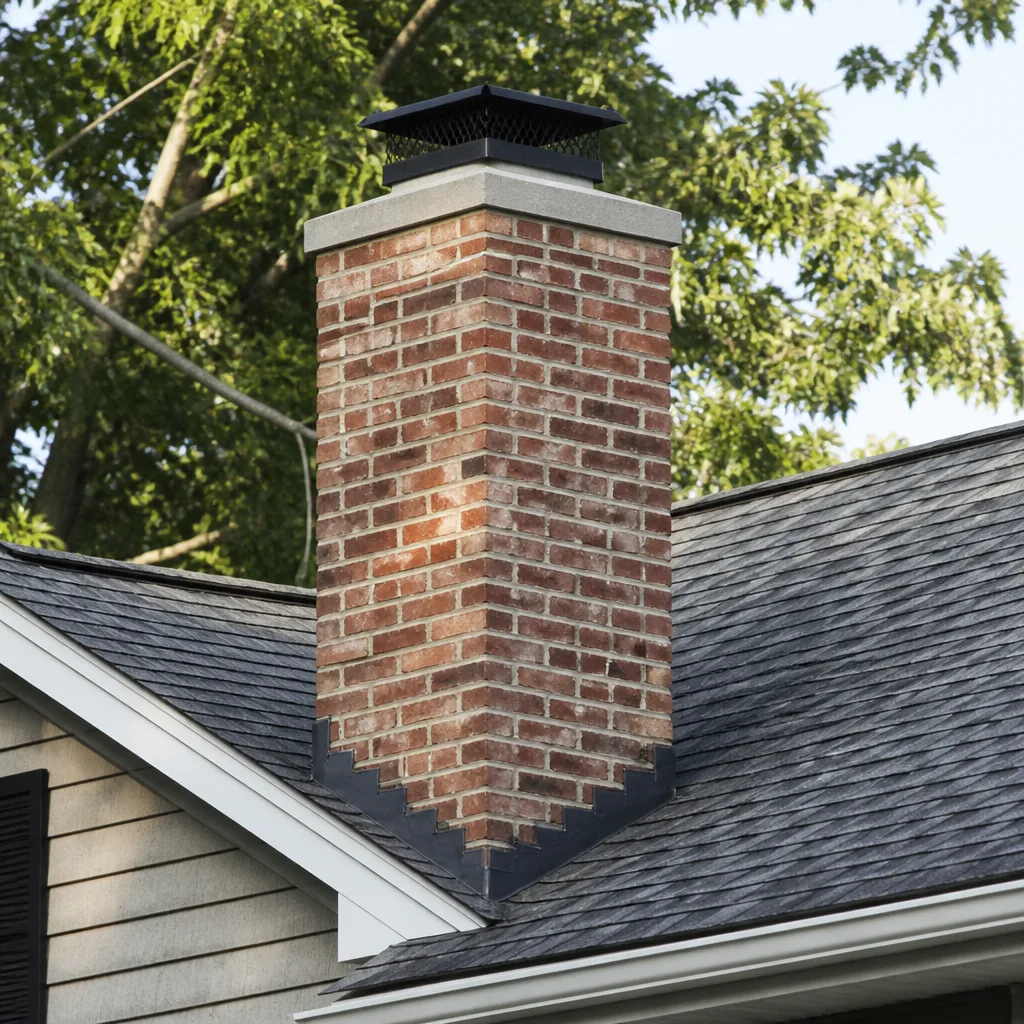 Masonry repair
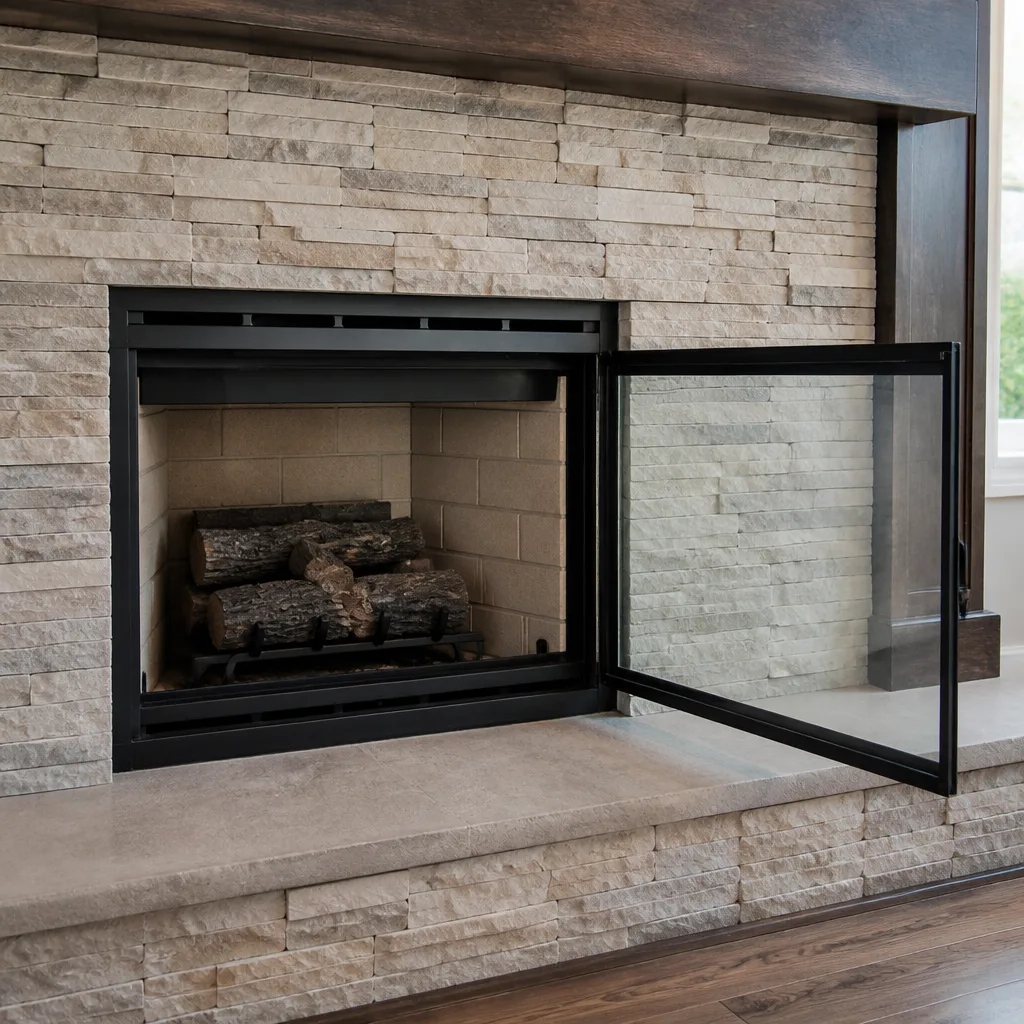 Gas fireplace service
Level 1 sweep and inspection to the NFPA 211 annual standard - flue, crown, cap, and flashing checked and photographed
Chimney sweep logs do not sweep chimneys. They loosen some creosote - which then falls where a brush and vacuum still have to collect it.
DIY vs Professional Chimney Cleaning: The Williamsbridge Homeowner’s Decision Guide
You can buy the same brushes a sweep uses for under $60 and clean your flue thoroughly. And you can still have no idea that your liner has a quarter-inch crack that’s been venting combustion gases into the wall cavity behind your fireplace. That’s the part almost nobody talks about in the DIY conversation. This guide isn’t going to tell you that homeowners are incompetent or that brushing your own chimney is always a mistake. It’s going to draw the line where the line actually sits: what brushing accomplishes, what it can’t see, and how to decide which side of that line your Williamsbridge home is on.
Quick Answer
DIY chimney brushing can remove light soot and stage 1 creosote from an accessible flue, but it cannot inspect the liner, evaluate the smoke chamber, check flashing integrity, or test draft pressure. In Williamsbridge, rowhouse rooflines, shared property lines and aging liners make professional inspection the right starting point for most homes. If a professional inspected your chimney recently and found no problems, brushing between visits is a reasonable option.
Styles & brands we work with
- Sweep & inspection
- Caps & crowns
- Flue relining
- Masonry repair
- Gas fireplace service
Table of Contents
- What DIY Chimney Brushing Can and Can’t Do
- The Diagnostic Problem: What You Cannot See From Below
- Roofline Realities in Williamsbridge
- The Insurance and Documentation Angle
- Creosote Stages and Why They Matter Here
- Equipment That Actually Requires a Professional
- The DIY vs Professional Decision Matrix
- A Step-by-Step Look at How a Professional Cleaning Works
What DIY Chimney Brushing Can and Can’t Do
We’re not going to pretend brushing is useless. It isn’t. A homeowner with the right brush size, a proper rod set, drop cloths and a shop vacuum can remove meaningful soot buildup and light stage 1 creosote from a straight, accessible flue. If you burned a cord of seasoned wood this winter and your flue is a simple straight run, brushing removes the loose material that reduces draft and coats the smoke chamber. That’s real work with a real result.
What brushing can’t do is diagnose. Here’s the honest breakdown:
- Stage 1 creosote removal: DIY can handle this. It’s the flaky, soot-like deposit that brushes knock loose.
- Stage 2 creosote removal: This is the tar-like, glossy deposit that adheres to the liner. Brushing alone won’t remove it, and it’s what fuels chimney fires. Professional equipment and sometimes chemical treatment are required.
- Light soot buildup: DIY is fine here, especially on a flue you’ve kept clean.
- Cost savings between professional visits: If a sweep inspected your chimney recently and confirmed it’s in good shape, brushing on your own schedule saves you a service call.
- Liner inspection: Not possible with a brush and a flashlight from the damper.
- Smoke chamber evaluation: The smoke chamber is the sloped area above the damper. Its surface must be smooth and correctly angled for draft and fire safety. Brush work doesn’t evaluate it.
- Flashing integrity: The metal at the roofline where chimney meets roof is a leak point without professional assessment.
- Draft pressure testing: Verifying the chimney actually pulls combustion gases out requires instrumented testing.
So the DIY conversation is really about scope, not skill. A homeowner can absolutely clean a flue. A homeowner can’t evaluate a flue system. That’s the difference between a chimney sweep and a chimney diagnosis. For a full picture of what a sweep visit covers, our sweep service page lays out what we actually do on a visit.
The Diagnostic Problem: What You Cannot See From Below
Here’s the part that matters most. You can shove a brush down a flue, run it back up, and watch a satisfying cloud of soot fall into your firebox. The flue looks clean. You feel good. Then you light a fire and combustion gases leak through a hairline crack in the clay tile liner that no brush pass reveals, because a crack isn’t a cleaning problem. It’s an inspection problem.
In Williamsbridge, many homes were built in the early and mid-20th century, and their flues were lined with clay tile. Clay tile holds up well when protected, but it spalls and cracks over decades of heat cycling. A visual check with a flashlight and a mirror from the damper opening only sees the bottom few feet at an angle. Below and above that view is guesswork.
Professional inspection closes the gap with:
- Liner camera inspection: A camera run down the flue gives a full interior view of every tile joint.
- Smoke chamber evaluation: Confirming the shape and surface of the chamber above the damper.
- Flashing assessment: Where the chimney penetrates the roof, the metal flashing and sealant are checked for water intrusion paths.
- Draft pressure testing: Measuring whether the flue actually exhausts as designed, which matters in tighter modern homes with tighter windows and doors.
- Crown and cap condition: The masonry crown at the top and the cap over the flue are the chimney’s weather protection. A cracked crown lets water soak into the masonry, and a missing or damaged cap lets debris and rain into the flue.
This is why we open with an inspection rather than a cleaning upsell. If the liner is sound and the crown and cap are intact, a cleaning is straightforward. If there’s a problem, you get a written report with photos so you can see it yourself. That chimney cap & crown work is often the fix that prevents bigger repairs downstream.
Roofline Realities in Williamsbridge
The physical work of getting to the top of a chimney is where DIY becomes genuinely risky in this neighborhood, and it has nothing to do with skill level. It’s about access.
Williamsbridge is dominated by rowhouses and attached homes, many with flat or shallow-pitch roofs and chimneys that rise through shared party walls. A chimney serving your unit may sit directly over a neighbor’s roofline or in a position that requires ladder placement over a property boundary. Cleaning from the top requires ladder placement, roof access, and physical stability on a surface that may be steep, uneven, or shared.
Consider what a Williamsbridge homeowner is actually dealing with:
- Shared property lines: A ladder placed near a party wall may be on a neighbor’s side of the line. That’s a liability question before it’s a safety question.
- Roof access: Flat roofs look easy until they’re wet, icy, or covered in debris. Steep roofs require proper ladder stabilization and fall protection.
- Chimney height: Many rowhouse chimneys are higher than the roofline of a suburban home, requiring extension ladders and roof-level work.
- Weather: Williamsbridge gets snow, ice, and freeze-thaw cycles through winter. Roof work in freezing conditions is a fall hazard even for someone with good balance.
Brushing from the top is how a sweep reaches the full flue. Brushing from the bottom with a flexible rod works, but it’s harder to get proper coverage and impossible to inspect the flue top to bottom on the way. In our experience, the access reality alone is a strong reason many Williamsbridge homeowners choose professional service even when they’re comfortable doing the brushing itself. If your chimney needs structural work, our chimney repair service handles masonry and liner issues directly.
The Insurance and Documentation Angle
This is the argument nobody brings up in the DIY conversation, and it matters more than most homeowners realize. When a chimney fire happens, your homeowner’s insurance carrier will investigate the cause. One of the first things they ask for is proof of professional maintenance history.
DIY cleaning leaves no documentation. There’s no invoice, no inspection report, no record that the flue was evaluated. A professional service visit produces a paper trail: what was cleaned, what was inspected, what condition the liner was in, and what was recommended. That record shifts the conversation with a carrier from “we can’t confirm the chimney was maintained” to “here’s the inspection report from the last service.”
We’re not in the insurance business and we can’t make promises about any particular carrier’s decisions. What we can say plainly is that documentation exists only when a professional with a written report performs the work. If you’re a homeowner weighing DIY against professional cleaning, this is a consideration that has nothing to do with brush technique.
Home sellers in Williamsbridge have an additional reason to keep that record current. Buyers and their inspectors routinely ask for recent chimney documentation during a transaction, and a pre-purchase or pre-sale inspection is a standalone service that produces exactly that report. A vendor with a documented inspection history is a smoother sale than one asking a buyer to take a chimney on faith.
Creosote Stages and Why They Matter Here
Creosote is the deposit that builds up in a flue when wood burns incompletely. It comes in three stages, and the stage determines what kind of removal is possible.
- Stage 1: Soot and flaky deposit. This is what brushes remove easily. It builds up with each fire and is the normal byproduct of routine burning. If you burn seasoned wood and keep your flue from over-depositing, stage 1 stays manageable.
- Stage 2: Tar-like, glossy deposit. This adheres to the liner and doesn’t yield to a brush pass. It’s removed with professional rotary tools and sometimes chemical treatment. Stage 2 is the creosote most associated with chimney fires because it burns at high temperature once ignited.
- Stage 3: Glazed, hardened deposit. This is the most dangerous form: a hard, glassy layer that can’t be removed by brushing at all. It requires professional equipment and may indicate the liner needs replacement.
Here’s the Williamsbridge wrinkle: many homes here burn wood for supplemental heat through the cold months, and some flues are vented gas or oil appliance flues rather than wood-burning fireplaces. The accumulation profile is different for each. A wood-burning fireplace in a home that burns frequently builds stage 1 quickly. A gas flue builds a different kind of deposit. And a flue that served an older heating appliance may have years of deposit from a fuel type the current owner never burned.
You can’t tell which stage you’re looking at from the bottom of a flue. That’s why the cleaning decision starts with a professional assessment of what’s actually in there. The good news is that most homes are in good shape once the flue is cleaned and the crown and cap are intact.
Equipment That Actually Requires a Professional
The DIY case usually comes down to cost, and it’s worth being honest about which equipment a homeowner can reasonably buy versus which equipment defines a professional visit.
A Chimney Sweep Williamsbridge service uses professional-grade components from brands like Gelco, Olympia Chimney and Copperfield, and installs DuraFlex liner systems when a liner is damaged. Here’s how that splits against DIY capability:
- Brushes and rods: A homeowner can buy a brush and rod set. This is the part of the job that’s genuinely accessible.
- Rotary cleaning tools: Needed for stage 2 creosote. These aren’t consumer equipment.
- Inspection camera: A professional liner camera gives a full flue view. Consumer endoscopes don’t provide the resolution or reach for a full evaluation.
- Draft pressure instruments: Required to verify the chimney actually exhausts. Not a consumer tool.
- Liner resurfacing systems: When a liner is deteriorated but not fully failed, HeatShield resurfacing can restore it without full replacement. This is a professional system, not a DIY product.
- DuraFlex liner installation: When a liner is failed, a flexible liner system is the professional fix. DuraFlex is a professional-specification product that isn’t sold in consumer hardware stores.
- Cap and crown components: Correct-fit caps and crown materials come from trade suppliers like Famco and Olympia Chimney, not from a shelf at the hardware store.
The practical takeaway: buy the brush if you want the brushing between professional visits. Don’t try to buy the diagnosis. That’s where the professional-grade equipment and the professional-grade judgment live.
The DIY vs Professional Decision Matrix
Most homeowners don’t need a general answer. They need to know which side of the line their specific chimney falls on. Here’s how we think about it.
You can DIY brushing between professional visits if:
- You had a professional inspection recently and the report found no liner, crown, cap or smoke chamber problems.
- Your flue is a straight run that can be reached and cleaned from the bottom with flexible rods, avoiding roof work.
- You burn seasoned wood and clean before the accumulation gets heavy.
- You’re comfortable and stable doing the physical work, and you have the right brush size for your flue.
You should start with a professional inspection if:
- You haven’t had the chimney inspected and you don’t know its last cleaning date.
- You’ve ever had a chimney fire, a puff-back, or smoke spill into the room when lighting a fire.
- The flue is clay tile, which can crack with age.
- You’re in a rowhouse where roof access requires ladder work over shared property lines.
- You’re buying or selling a Williamsbridge home and need documentation.
- You’ve noticed water damage, cracked masonry, or a missing or damaged cap.
- Your fireplace is gas or served an appliance, and you’re not sure of the flue’s condition.
The simplest version of the rule: cleaning last year with no known repairs means brushing is a reasonable DIY option. Everyone else should start with a professional inspection. The inspection is what converts “I think it’s fine” into “I know it’s fine.”
A Step-by-Step Look at How a Professional Cleaning Works
Knowing what happens on a professional visit helps you judge the difference between a brush-and-go visit and a real service. Here’s the sequence.
- Inspection first. A sweep evaluates the flue before cleaning so they know what’s in it. A liner camera inspects the full flue length. The smoke chamber, crown, cap and flashing are all assessed.
- Protect the living space. Drop cloths and a shop vacuum with a HEPA filter are set up so soot stays contained. A clean visit shouldn’t leave a dust film on your furniture.
- Clean the flue. Brushes and rotary tools remove deposit from the flue, firebox and smoke chamber, top to bottom.
- Clean the firebox and smoke shelf. Soot and deposit settle in the firebox and on the smoke shelf above the damper. A thorough cleaning reaches both.
- Reinspect and report. The camera runs through the flue again to confirm the clean. Photos document what was found and what was done.
- Recommend, don’t upsell. If the report shows a cracked liner, a failing crown, or stage 2 creosote, it’s presented with photographs. If the chimney is in good shape, that’s what the report says. The written estimate sets the price for any repair work.
This is what “inspect first, recommend second” looks like in practice. The point of the visit is a diagnosis you can trust, not a sales pitch. When a repair is needed, it’s an engineered repair using professional-grade materials, documented in writing so you can decide on your timeline. From the firebox to the cap, one visit covers the full flue.
Common Mistakes to Avoid
- Assuming a clean-looking firebox means a clean flue. Soot can accumulate on the upper flue walls for years while the firebox looks tidy. The deposit that matters for fire risk is up the flue, not in the firebox.
- Buying an oversized brush. A brush too wide for the flue jams, damages tile, and can become stuck. Brush sizing matches your flue’s interior diameter, and getting it wrong is the most common DIY mishap we hear about.
- Cleaning without inspecting first. Brushing a flue with a cracked tile liner can push soot into the crack, and it gives you a false sense of safety. Inspection before cleaning is the right order.
- Ignoring the crown and cap. A cracked crown or missing cap lets water into the masonry, which causes spalling and structural damage over winter freeze-thaw cycles. If the top of the chimney is damaged, cleaning the flue solves nothing.
- Putting a ladder up on or near a party wall. In a Williamsbridge rowhouse, that’s roof work over a shared property line. It’s a liability and access problem that’s better left to a professional who carries the right coverage.
- Burning unseasoned wood as a shortcut. Wet wood burns incompletely and builds creosote faster. Seasoned wood keeps deposit manageable and makes any cleaning easier.
- Skipping documentation. No invoice and no inspection report means no proof of maintenance. That absence can complicate an insurance claim after a chimney fire.
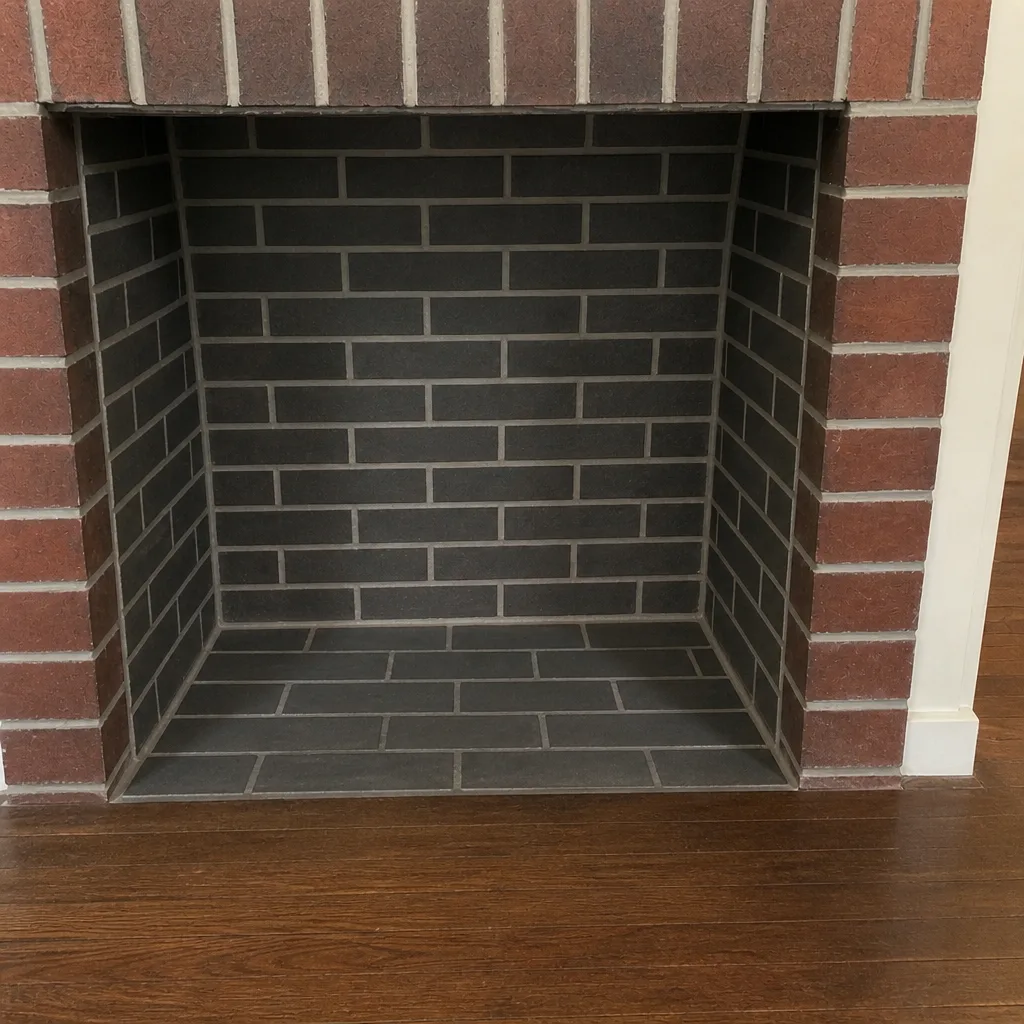
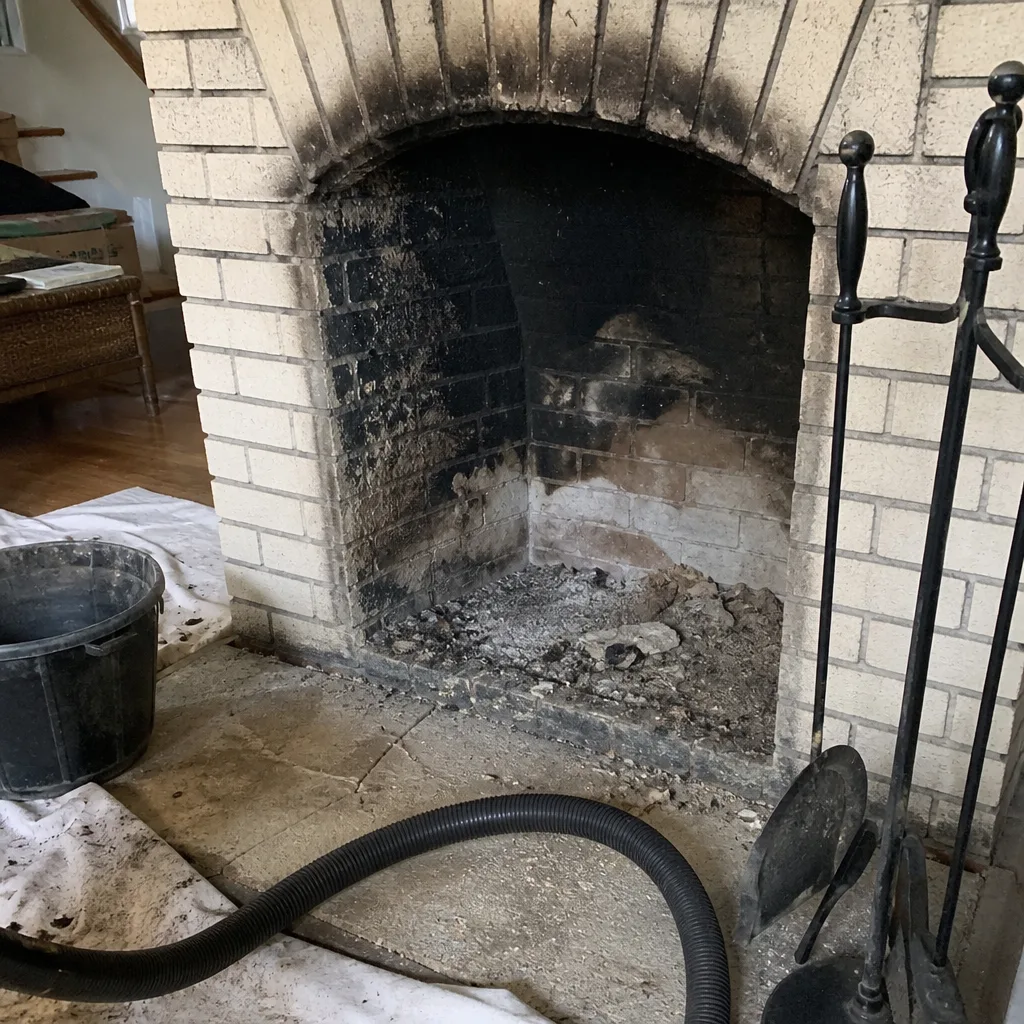
See the difference
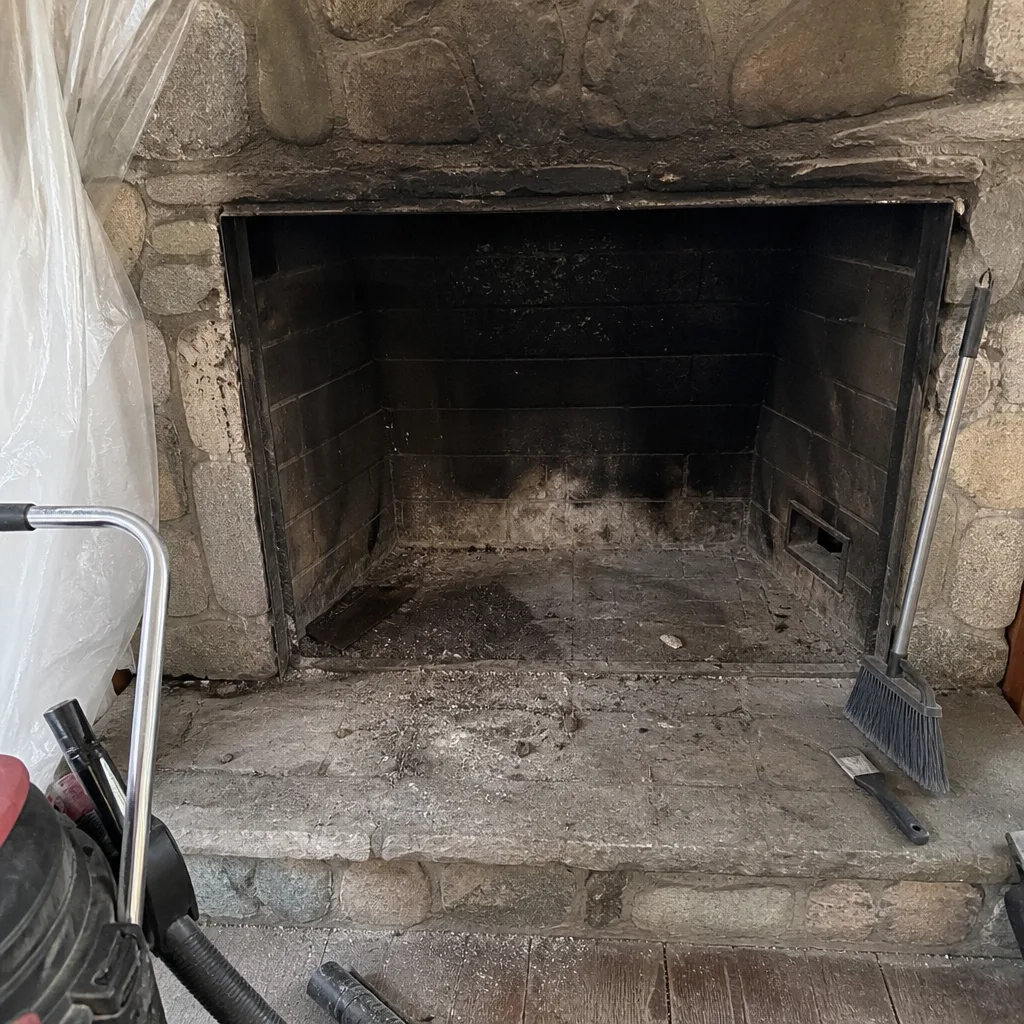 Before
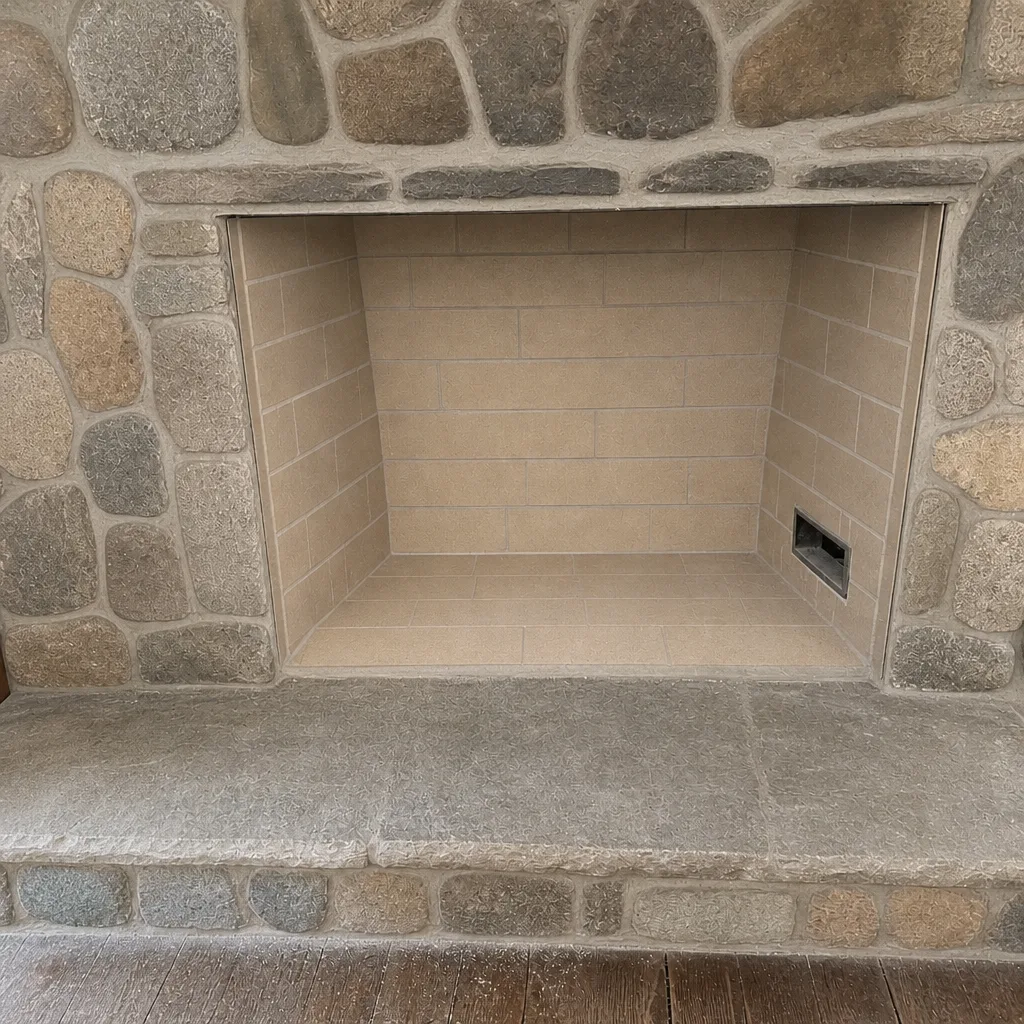 After
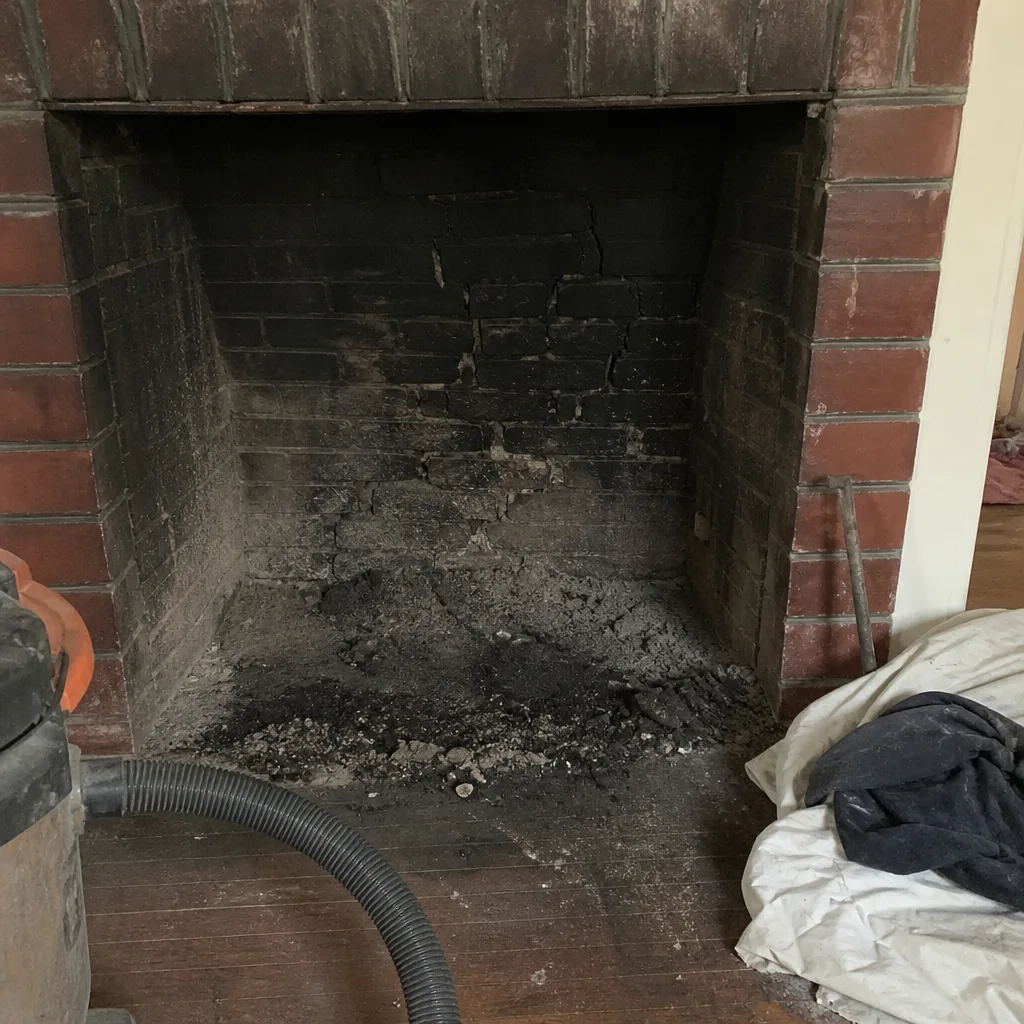 Before
 After
 Before
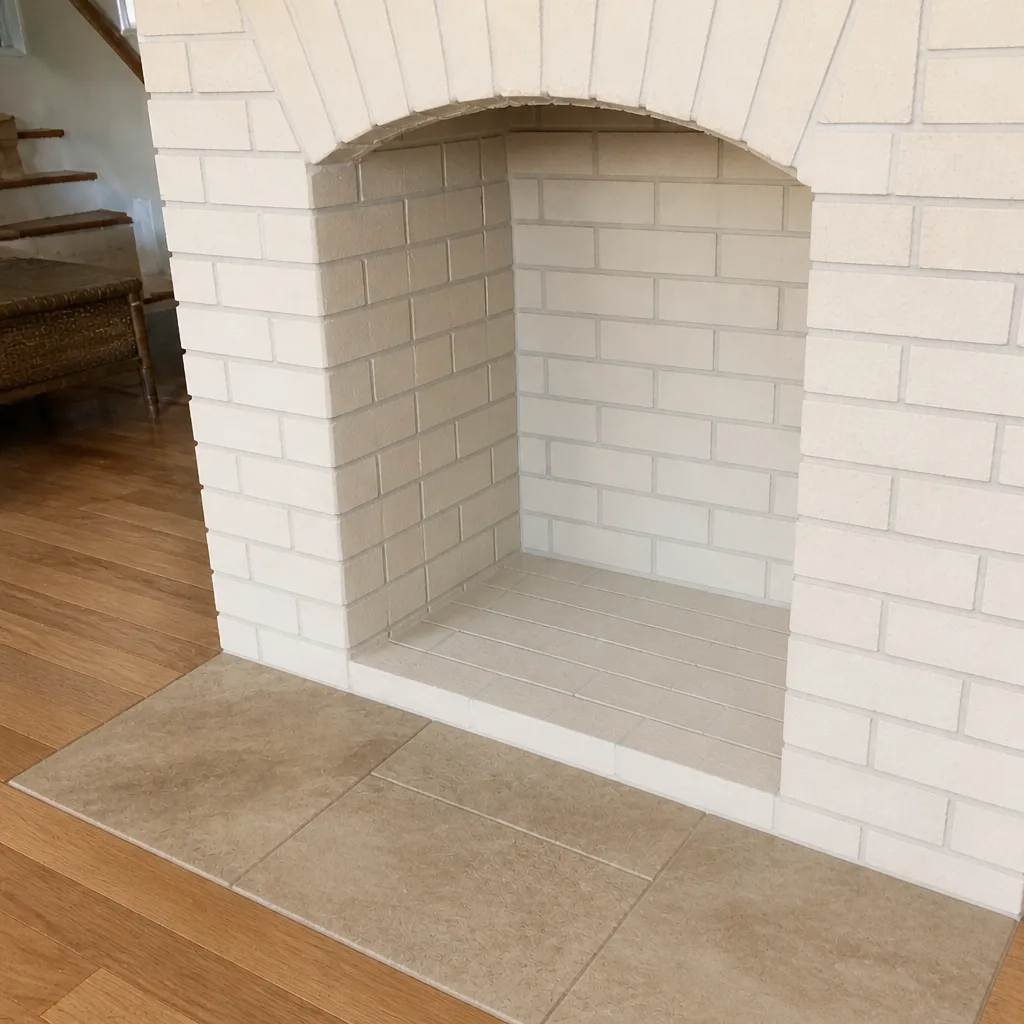 After
When to Call a Professional
Call a professional if you don’t know when your chimney was last inspected, if you see smoke spilling into the room when you light a fire, if you’ve had a chimney fire, or if you’re buying or selling a Williamsbridge home and need documentation. Also call if the crown is cracked, the cap is missing, or the masonry shows spalling. Rowhouse roof access over shared property lines is a professional job, and rowhouse chimneys are the norm here.
The safe way to start is a documented inspection. Nothing on your chimney gets recommended without camera evidence you can see for yourself, and when work can safely wait, we say so. A failed liner or a damaged crown is a real safety issue. Routine soot and stage 1 creosote are not, and an honest report will tell the difference. Chimney Sweep Williamsbridge offers free estimates in Williamsbridge. Call (866) 913-9502. We answer 24/7. Fast dispatch from 7am to 7pm, Sunday through Friday.
Frequently Asked Questions
Yes, for light soot and stage 1 creosote removal on an accessible flue that a professional recently inspected. DIY brushing doesn’t inspect the liner, evaluate the smoke chamber, check flashing, or test draft pressure, so it’s a cleaning method, not a diagnosis. In Williamsbridge rowhouses, roof access over shared property lines makes professional service the safer starting point for most homes. Call (866) 913-9502 for an exact quote. Estimates are free.
Professional sweeps use liner inspection cameras, rotary cleaning tools for stage 2 creosote, draft pressure instruments, and resurfacing systems like HeatShield. Liner replacement uses flexible liner systems such as DuraFlex, which is a professional-specification product not sold in consumer stores. A brush and rod set is the only piece of the job a homeowner can reasonably buy. Call (866) 913-9502 for an exact quote. Estimates are free.
Yes, if you’ve never had a professional inspection or don’t know the last date of one. Brushing removes deposit; it doesn’t reveal a cracked liner tile or a failing smoke chamber. A camera inspection is the only way to know the liner is intact. Call (866) 913-9502 for an exact quote. Estimates are free.
Possibly. After a chimney fire, carriers investigate the cause and ask for proof of maintenance history, and DIY work leaves no documentation. A professional visit produces an inspection report and service record that document the chimney’s condition. Call (866) 913-9502 for an exact quote. Estimates are free.
Clean when deposit reaches a meaningful level, which depends on how much you burn. A home that burns wood frequently through winter accumulates faster than an occasional-use fireplace. Annual professional inspection is the way to know, because the answer comes from looking inside the flue, not from a calendar. Call (866) 913-9502 for an exact quote. Estimates are free.
It’s risky and often not legal access. Williamsbridge rowhouse chimneys frequently require ladder work on shared party walls and flat or steep roofs, which raises insurance and liability questions before safety questions. Brushing from the bottom with flexible rods is the safer DIY path, and it skips the top-down view a professional uses. Call (866) 913-9502 for an exact quote. Estimates are free.
The Bottom Line
The DIY vs professional question isn’t about whether homeowners can handle a brush. It’s about diagnostic access. Brushing removes deposit; only an inspection tells you whether the liner is sound, the smoke chamber is safe, and the crown and cap are doing their job. In Williamsbridge rowhouses with clay tile liners and shared rooflines, the professional visit earns its place at the inspection, not the brushing. If you cleaned recently and have a clean inspection report, brushing between visits is reasonable. If you don’t know the state of your flue, start with a professional inspection. From the firebox to the cap, one call covers the full flue.
Call (866) 913-9502 for a free estimate. We answer 24/7. Fast dispatch from 7am to 7pm, Sunday through Friday. Nothing is recommended without camera evidence you can see, the written estimate sets the final price, and if your chimney can safely wait, we’ll tell you so.
Written by the team at Chimney Sweep Williamsbridge.