
Last updated November 25, 2026
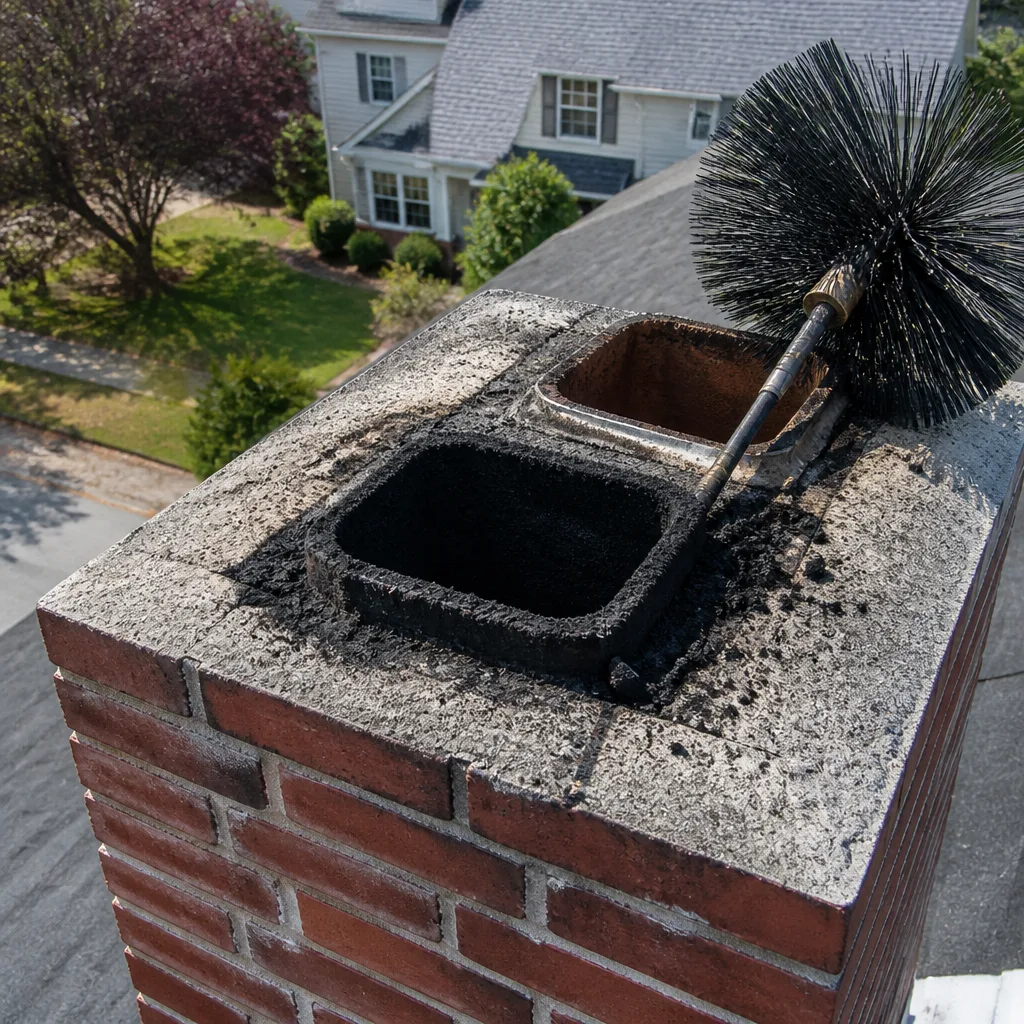 Sweep & inspection
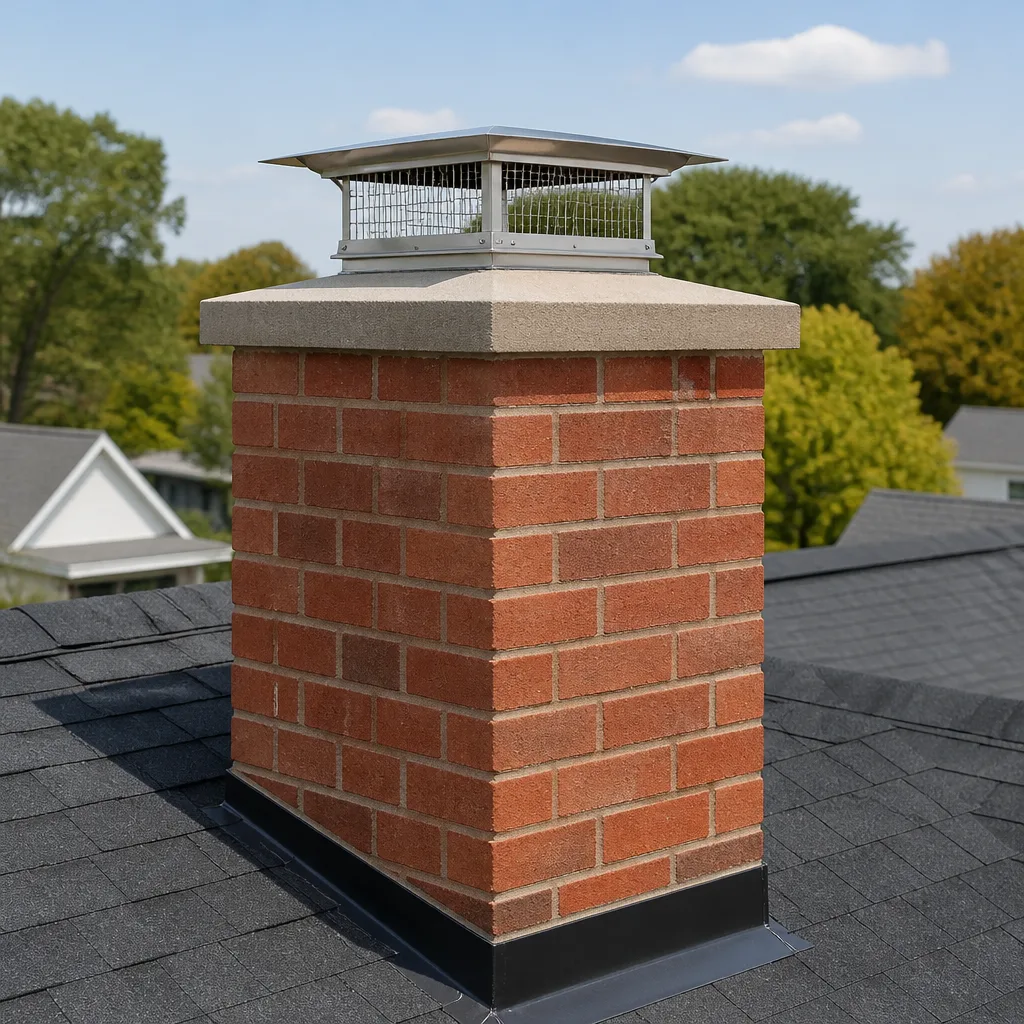 Caps & crowns
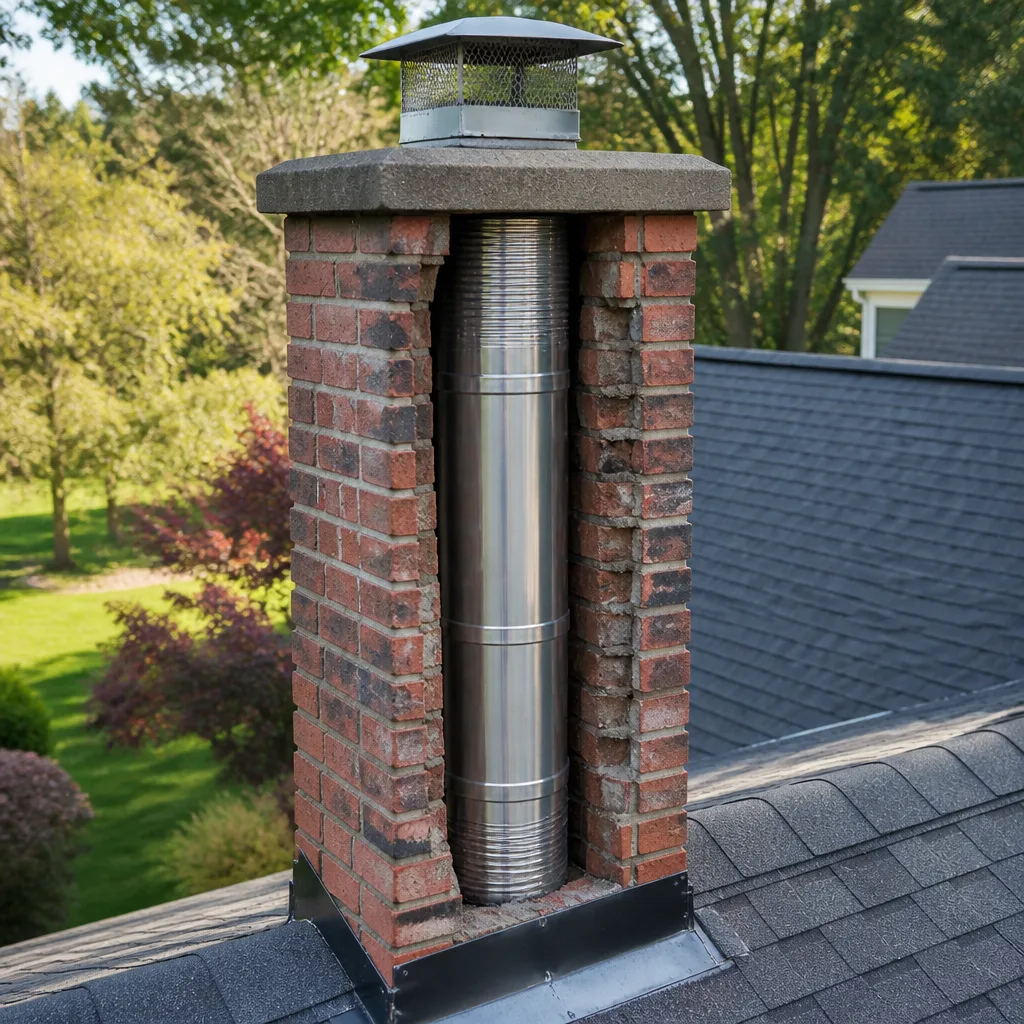 Flue relining
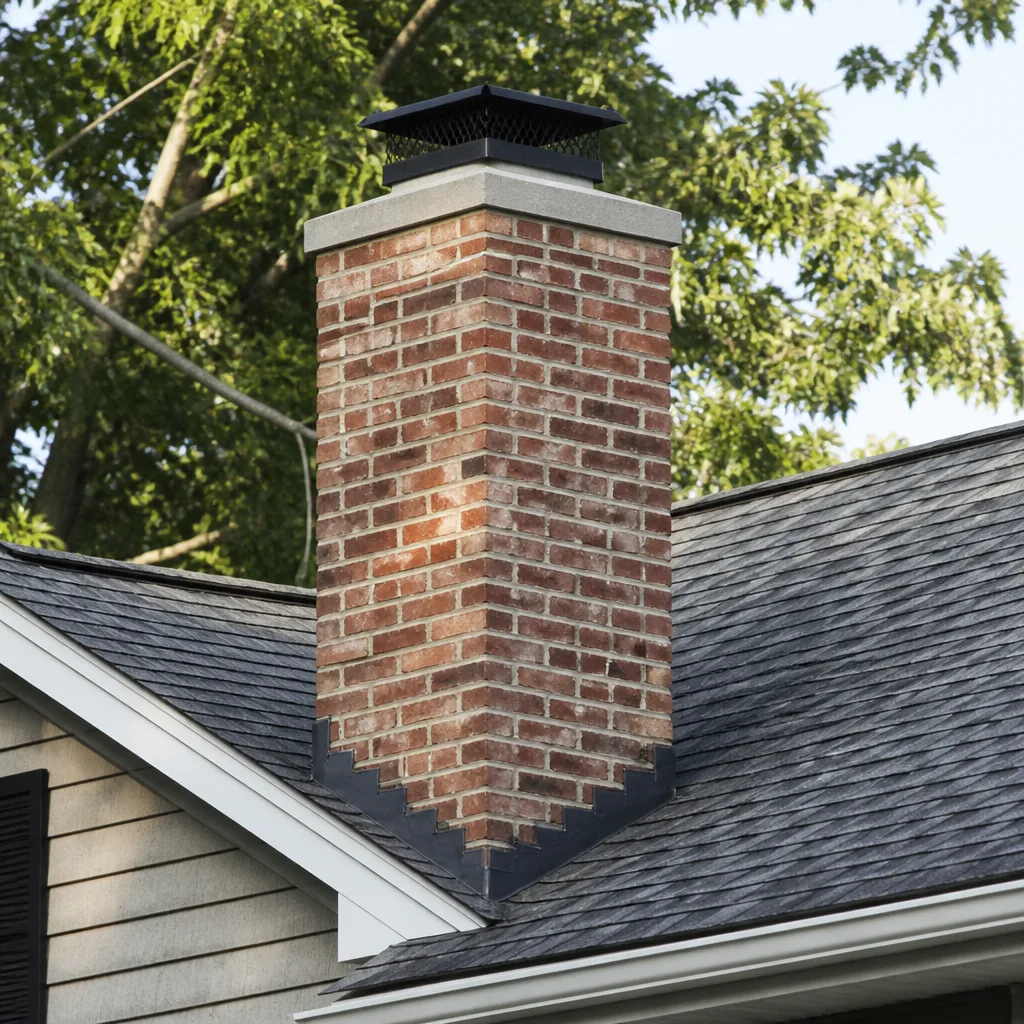 Masonry repair
 Gas fireplace service
Level 1 sweep and inspection to the NFPA 211 annual standard - flue, crown, cap, and flashing checked and photographed
Chimney sweep logs do not sweep chimneys. They loosen some creosote - which then falls where a brush and vacuum still have to collect it.
Chimney Sweep Maintenance Checklist for Williamsbridge Homeowners
Most homeowners treat a chimney checklist as a set of chores to hand to a sweep. That’s the mistake. When a chimney fire or a carbon monoxide incident triggers an insurance claim, the first thing adjusters ask for is a service history, and most homeowners hand over a single invoice from three years ago with no context around it. The checklist that actually protects you is a record-keeping framework: a living document that tracks every inspection result, every repair, and every component installed, so the chimney’s history travels with the house when you sell it. In this guide, we’ll walk through the visual pre-season checklist you can run yourself in Williamsbridge, explain which items belong to a licensed sweep, and give you a component-replacement log you can keep for the life of the home.
Quick Answer
A chimney maintenance checklist for a Williamsbridge homeowner is a written record, not just a to-do list. It should capture four things: an annual visual self-check of the damper, firebox, smoke chamber, and exterior crown; a professional inspection and sweep on the schedule your burning habits dictate; a component log for the liner, cap, damper, and flashing with installation dates; and notes on any repair, so the chimney’s history is documented in one place. Kept consistently, that record is what insurers and buyers ask for, and it’s the difference between a documented system and a vague memory.
Styles & brands we work with
- Sweep & inspection
- Caps & crowns
- Flue relining
- Masonry repair
- Gas fireplace service
Table of Contents
- Why a Checklist Beats a One-Time Sweep
- The Pre-Season Visual Checklist You Can Run Yourself
- Self-Inspection vs. What a Licensed Sweep Must Evaluate
- The Component-Replacement Log (With Service Life Ranges)
- Williamsbridge Environmental Stressors That Age a Chimney
- How the Record Protects Resale Value and Insurance Claims
- Building Your Annual and Multi-Year Schedule
Why a Checklist Beats a One-Time Sweep
A sweep cleans what’s there. A checklist proves what’s been done, when, and by whom. Those are different products, and only one of them is useful five years from now when you’re standing in a closing with a buyer’s inspector asking to see the flue history.
Here’s how we frame it for Williamsbridge homeowners. A chimney is a system with a known set of components, and each one has an estimated service life. The liner, the cap, the damper, the flashing, the crown. When you replace one, you’re resetting the clock on that component and nothing else. Without a written log, that clock becomes a guess. With one, it becomes a fact you can point to.
There’s a second reason the record-first approach matters. It protects you from the upsell that makes homeowners dread chimney calls in the first place. When the recommendation is written down alongside the previous inspection, the photo evidence, and the condition notes, it’s checkable. You can see what changed. You can see what didn’t. And if a sweep tells you the liner is failing but the last three inspection reports show clean scans, you know to ask questions.
We run our business on the principle of inspect first, recommend second. The checklist you build should live by the same rule. A maintenance record is a diagnostic tool, not a sales tool for the company that keeps it.
From the firebox to the cap, every component has a place in the log. That’s the whole point. One call covers the full flue when something needs doing, and the record you keep is what tells you when that call is actually necessary.
The Pre-Season Visual Checklist You Can Run Yourself
Before you burn for the season, spend twenty minutes with a flashlight and a notepad. This is a visual inspection, not a cleaning or a repair. You’re looking for changes since last year and writing down what you see so you have something to compare against. Do not open panels, do not climb the roof, and do not reach into the firebox beyond what you can see from the hearth.
Work through the system in order, from the room outward. Here’s the sequence we recommend for a Williamsbridge home:
- Firebox. Look at the mortar joints between firebricks. Hairline cracks in the mortar are common and often non-urgent. Missing chunks, crumbled joints, or bricks that move when pressed are not something to sit on.
- Damper. Open and close it fully. It should move without grinding or seizing and should seat flush when closed. A damper that won’t close all the way is a heat loss problem at minimum and a safety problem at worst.
- Smoke chamber. Shine the light up past the damper. You’re looking for heavy soot buildup, obvious gaps in the masonry, or anything that looks like it’s pulling away from the surrounding surface. This is a visual check only; the chamber is worked on from inside by a sweep.
- Flue opening at the top of the firebox. Check that the flue doesn’t look blocked. A visible obstruction from below is a reason to stop and call, not to light a test fire.
- Exterior crown. From the ground with binoculars, look at the top of the chimney. The crown is the concrete surface that caps the masonry, and it should slope away from the flue. Cracks and missing sections let water into the structure.
- Cap and spark screen. Confirm the cap is present, seated, and the screen is intact. A missing cap is an open invitation for birds, squirrels, and rain.
- Flashing at the roofline. Where the chimney meets the roof, check the metal flashing for rust, separation, or missing fasteners. Gaps there are a leak waiting for the first hard rain.
- Interior staining. Look at the wall and ceiling around the chimney inside the house. Discoloration, bubbling paint, or a musty smell near the chase points to water intrusion or a draft problem.
Write down the date and what you saw. Take a photo of anything that looks new. That’s the entry for this year, and next year’s checklist gets compared against it.
Self-Inspection vs. What a Licensed Sweep Must Evaluate
The line between homeowner self-check and a licensed sweep’s job is drawn where the risk gets serious. Anything you can see from the hearth with a flashlight is fair game. Anything that requires climbing, opening the flue, or judging the condition of the liner is not. Knowing where the line sits is what keeps a checklist useful instead of dangerous.
Here’s the split we use in our own work.
Legitimate homeowner self-inspection tasks:
- Operating the damper through its full range and noting any sticking or looseness
- Visual check of firebox mortar and firebrick for visible cracks or movement
- Looking up through the open damper with a flashlight for obvious soot or obstruction
- Ground-level check of the cap, screen, crown, and flashing with binoculars
- Interior wall and ceiling checks around the chimney chase
- Recording dates, photos, and notes in your log
Tasks that belong to a licensed sweep:
- Cleaning the flue with proper brushes and rods from the top or bottom
- Camera inspection of the flue interior and evaluation of the liner
- Assessment of the smoke chamber and any masonry repair needs
- Evaluation of the crown, cap, and flashing for repair or replacement
- Any work inside an electrical or gas appliance connection
- Any inspection of the flue after a suspected chimney fire
The distinction isn’t about difficulty. It’s about duty of care. The liner and the flue interior are where carbon monoxide escapes and where chimney fires start, and evaluating them requires a trained eye, proper lighting, and a camera. A homeowner checklist that tells you to “check the liner yourself” is a checklist that puts you at risk. Ours won’t do that. It tells you what to look for, what to write down, and when the answer is a call to a professional.
When the exterior inspection turns up a crown crack or a missing cap, that’s the point where you schedule chimney repair rather than tracking it for later. Water finds its way in fast, and masonry damage tends to travel once it starts.
The Component-Replacement Log (With Service Life Ranges)
The core of your maintenance record is the component log. It’s a simple table, kept with your home documents, that records each major component of the chimney system with its installation date and any repairs. When you need to know whether the liner is due, the cap is failing, or the flashing is original, the log answers it without guesswork.
Here’s the structure we recommend. The service life ranges are typical estimates, not guarantees; actual life depends on how much you burn, the fuel, and the local conditions. Use them as a planning horizon, not a deadline.
| Component | Typical service life (estimate) | What to log |
|---|---|---|
| Clay tile or older liner | Varies widely with condition; plan for evaluation at every inspection | Inspection result, any relining, date and product used |
| Stainless flexible liner (DuraFlex type) | Long service life with proper installation; 15 to 20+ years typical | Installation date, liner brand, warranty documents |
| Chimney cap and screen | 10 to 15 years for a quality stainless or copper cap | Install date, style, any denting or screen repair |
| Damper | 10 to 15 years for a cast damper; longer for some top-seal designs | Original vs. replacement, style, date |
| Flashing | 15 to 20 years typical for a metal flashing system | Install or repair date, material, any re-sealing |
| Crown | 10 to 20 years typical, shorter without a proper slope and seal | Install or resurface date, product used, any crack repair |
Two things about this log make it more useful than a stack of invoices. First, it tells you what you don’t need to worry about this year. If the cap went on two years ago and looks fine, you’ve answered that question without paying anyone to re-answer it. Second, it carries forward. When you sell the house, the log goes with it, and the buyer’s inspector sees documentation instead of silence.
For liner work, we install DuraFlex flexible liner systems, and if the existing liner is deteriorated but still structurally sound, we use the HeatShield resurfacing system as an engineered repair rather than a full replacement. Either way, the date and product go in the log. The distinction matters later because a resurfaced liner has a different expected life than a new flexible liner, and the log should make that clear to whoever reads it next.
If your log shows a liner replacement is coming, that’s a conversation to have before the burning season, not during it. Ask for the inspection report with photos first, and take your time on the decision.
Williamsbridge Environmental Stressors That Age a Chimney
Williamsbridge chimneys face three local pressures that a generic checklist doesn’t account for. Knowing them is what separates a useful maintenance plan from a form you fill in and forget.
Freeze-thaw mortar cracking. A Bronx winter swings above and below freezing repeatedly, and masonry is porous. Water seeps into a mortar joint or a hairline brick crack, freezes, expands, and opens the crack a little wider. Then it thaws, water gets deeper, and the cycle repeats. Over a few seasons, a hairline crack becomes a section of missing mortar. The crown is the first victim because it sits flat and collects water, and the flashing joint is the second. In Williamsbridge, this is why the exterior inspection belongs on the fall checklist and not the spring one; you want to find and seal the failure before the first hard freeze, not after it has had a winter to work on the masonry.
Urban particulate buildup. Wood smoke from a dense neighborhood, plus the soot and particulate that settles out of city air, loads the flue faster than it would in a rural setting with the same fuel. That means the same cord of wood produces more creosote buildup on a Williamsbridge flue than a checklist written for a Vermont farmhouse would predict. The practical takeaway: base your sweep frequency on how much you burn, not on a fixed annual rule, and check the flue more often if you burn soft or unseasoned wood. When creosote deposits build beyond a certain level, the fire hazard climbs with them, and a professional sweep is the only way to clear it.
Flat-roof parapet interference with draft. Many Williamsbridge homes sit under or beside flat-roofed structures, and parapet walls, dormers, and neighboring rooflines can disturb airflow right at the chimney top. A chimney that drafts poorly isn’t just smoky; poor draft leaves more creosote behind because the fire is burning inefficiently. If your fireplace smokes on certain wind directions or only when the furnace is running, that’s a draft issue worth raising at inspection, not a stubborn fire that needs more kindling.
Two of these stressors are visible and one isn’t, which is exactly why the record matters. You can see a crown crack. You can’t see the creosote layer inside the flue from the hearth. That’s what the inspection report is for.
How the Record Protects Resale Value and Insurance Claims
A documented chimney history does two jobs at once. It’s a resale asset and an insurance asset, and neither is especially glamorous, which is why most homeowners skip it. Both come down to the same question a stranger will ask: can you show me what’s been done to this chimney?
For a sale, the buyer’s inspector writes up the chimney. A thin report, missing records, and a buyer without context is how a small condition turns into a renegotiation. A documented history changes that. The inspection reports, the component log, the liner installation paperwork, and the sweep dates together tell the buyer exactly what the chimney is and when it last had attention. That’s leverage on both sides of the closing. Buyers pay attention to a well-documented system, and sellers who can produce the records get through inspection issues faster.
For insurance, the logic is similar. When a claim involves a chimney fire or a carbon monoxide event, adjusters want to see whether the system was maintained. A record of regular inspection and sweeping establishes that the loss wasn’t due to neglect. Without it, the claim conversation gets harder and slower. We can’t promise any particular outcome with any particular insurer, but a homeowner with a clean, current record is in a far stronger position than one with a single invoice from years ago.
Here’s how to keep the record in condition for a claim or a sale:
- Keep a digital copy as well as the paper originals. A shared folder or cloud storage is fine.
- Store every inspection report, including the camera inspection photos.
- Record the component log with dates, brands, and models. Note that we source professional-grade products from brands like Olympia Chimney and Famco, and that’s the kind of detail worth logging.
- Keep the sweep invoices with dates and the technician’s findings.
- Note any repair, what was repaired, and the material used.
- Note the reason for any work done, whether it was a recommendation or a response to a condition.
This is the record that travels with the house. It’s also the record that answers the adjuster’s first question before it’s asked.
Building Your Annual and Multi-Year Schedule
A checklist only works if it has a rhythm. Here’s the schedule we suggest for Williamsbridge homeowners, based on how much you burn and what the inspection finds.
Every year, before heating season:
- Run the pre-season visual checklist above and log your findings.
- Book a chimney sweep and inspection. If you burn regularly, a sweep is generally recommended once a season; if you burn occasionally, the inspection will tell you what’s actually needed. A dedicated chimney sweep visit and inspection are different services, and you can ask for the inspection on its own if you want a diagnosis without a cleaning.
- Add that season’s entry to the component log.
Every year or two, based on the inspection:
- Reviewed the crown, cap, and flashing at inspection and address any small repairs before they grow.
- Confirm the cap and screen are seated and intact.
- Do a mid-season look if you burn heavily and the fire is struggling to draft.
Every few years, by component:
- Re-evaluate the liner at inspection, especially if it’s an older clay tile system.
- Plan for cap and damper replacement as they approach the end of their expected service life.
- Refresh the exterior flashing sealant if the inspector flags it.
Two of these are self-checks and the rest are scheduled visits. The rhythm matters more than the specific month. Choose a month before the season starts and put it on the calendar as a recurring reminder.
When the inspection finds a failure at the top of the system, the fix is often a chimney cap & crown repair or replacement. When it finds a flue problem, it’s an inspection and evaluation, followed by liner work if the liner is truly compromised. Both belong in the log with dates.
Common Mistakes to Avoid
- Treating the sweep as the record. The invoice is proof of one visit, not a history. Without the log, the invoice is just a receipt for a service, and five years from now it won’t tell you whether the liner was checked.
- Skipping the exterior check because you can’t see the problem from inside. Freeze-thaw damage starts on the crown and flashing, and it’s invisible from the hearth. Binoculars from the ground cost nothing and catch it early.
- Assuming a “chimney sweep” also inspected. A cleaning is not an inspection. If you want a diagnosis, ask for a Chimney Sweep Williamsbridge inspection as a standalone service, and get the report and photos in writing.
- Burning unseasoned wood because it’s what you have. Wet wood burns inefficiently and loads the flue with more creosote. In a dense urban setting, that buildup happens faster than you’d expect.
- Relighting after a suspected chimney fire without a professional inspection. A chimney fire can damage the liner in ways you can’t see from the firebox. Get it inspected before the next burn.
- Waiting for spring to fix exterior masonry. Water trapped in a crack over a freeze-thaw winter does more damage than the crack did. Fall is the time to seal and repair.
- Keeping the records in your head. If you can’t hand it to a buyer or an adjuster, it doesn’t exist. Write it down, photograph it, store it digitally.
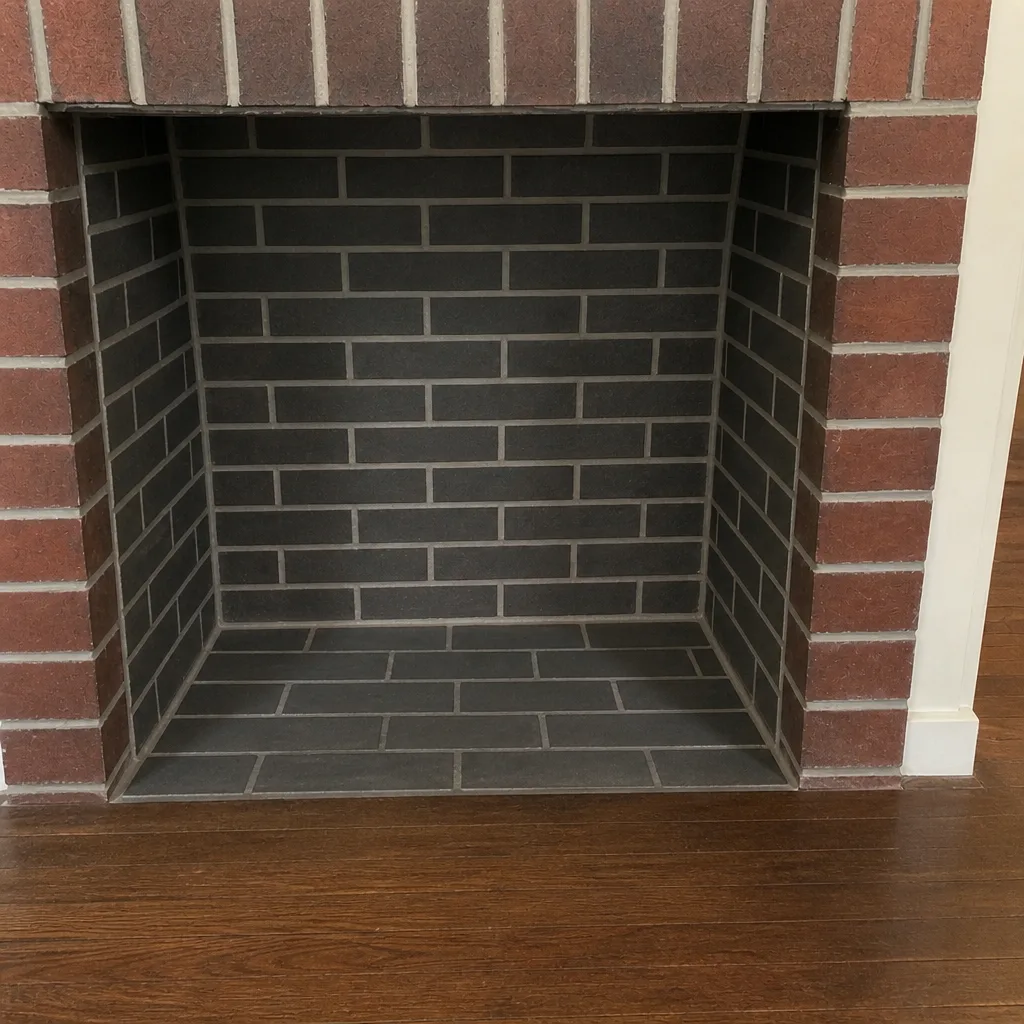
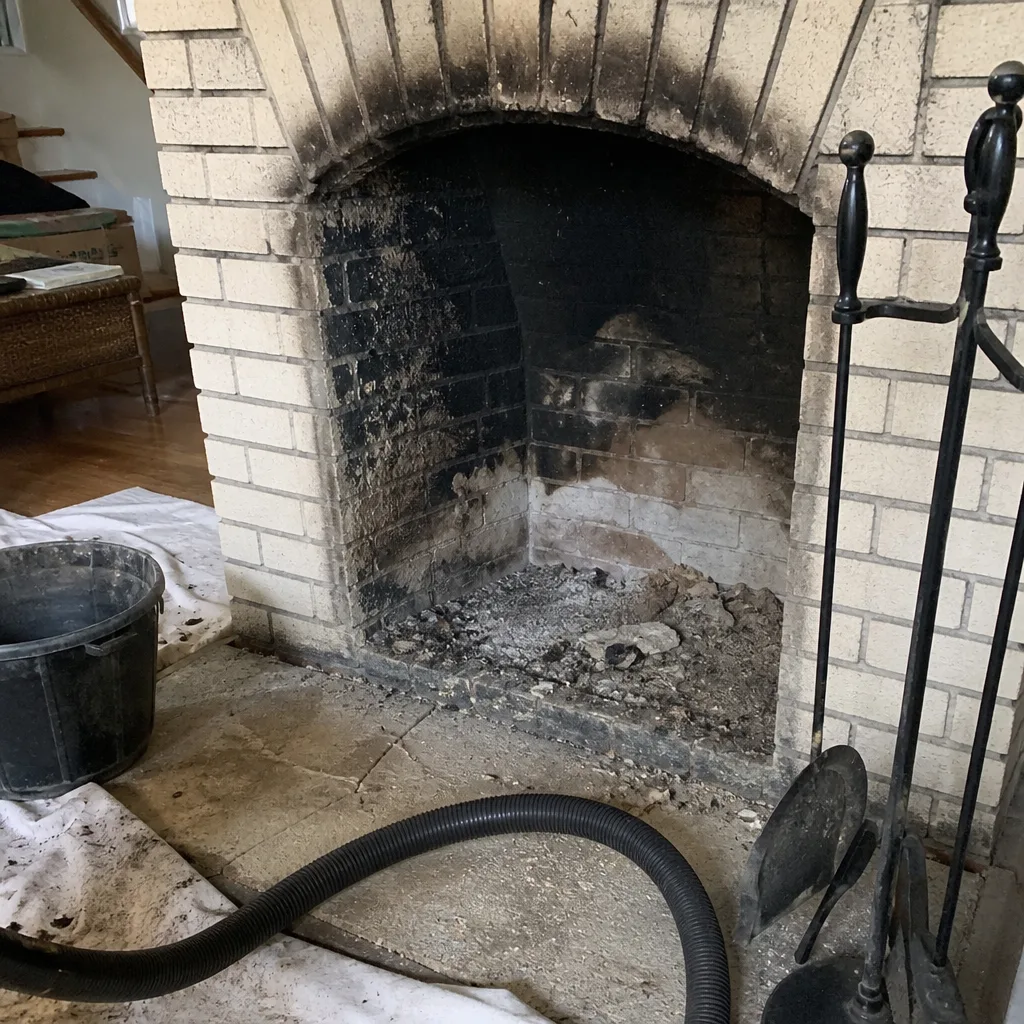
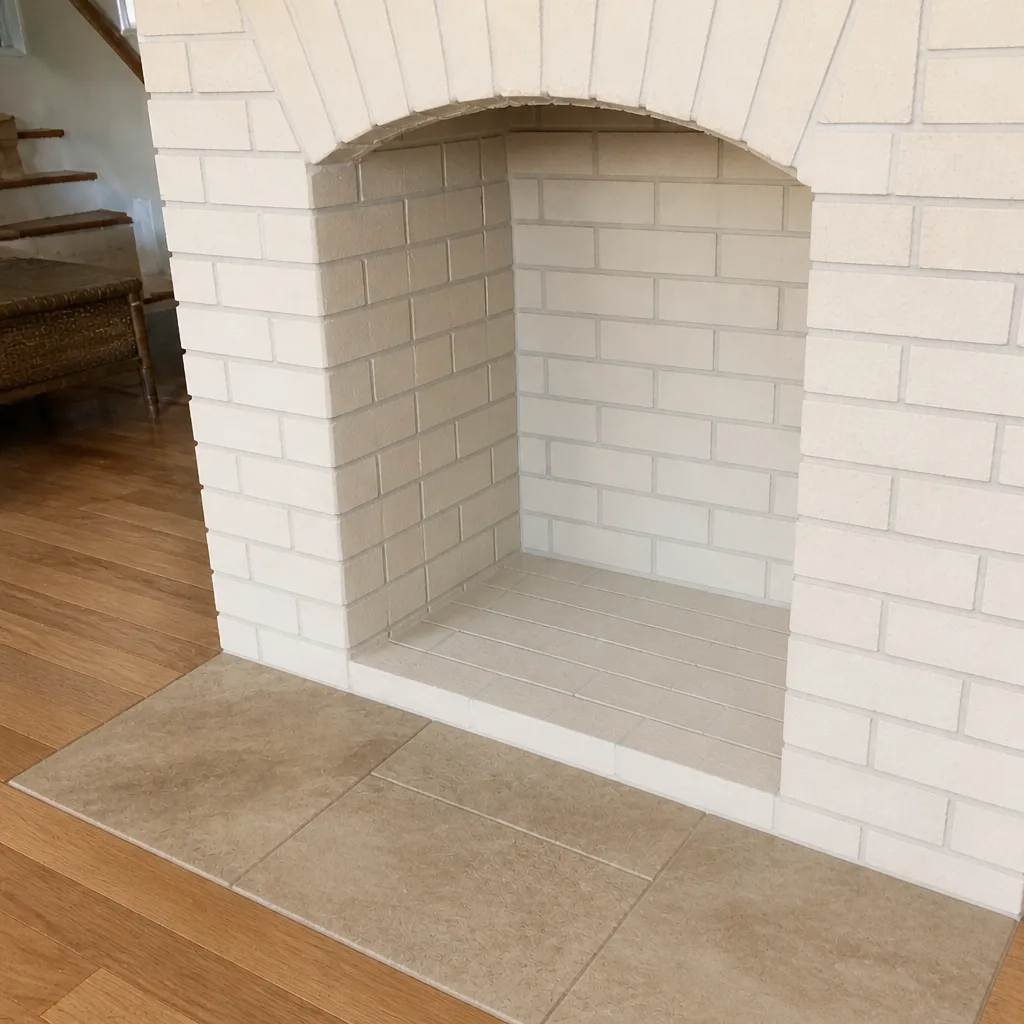
See the difference
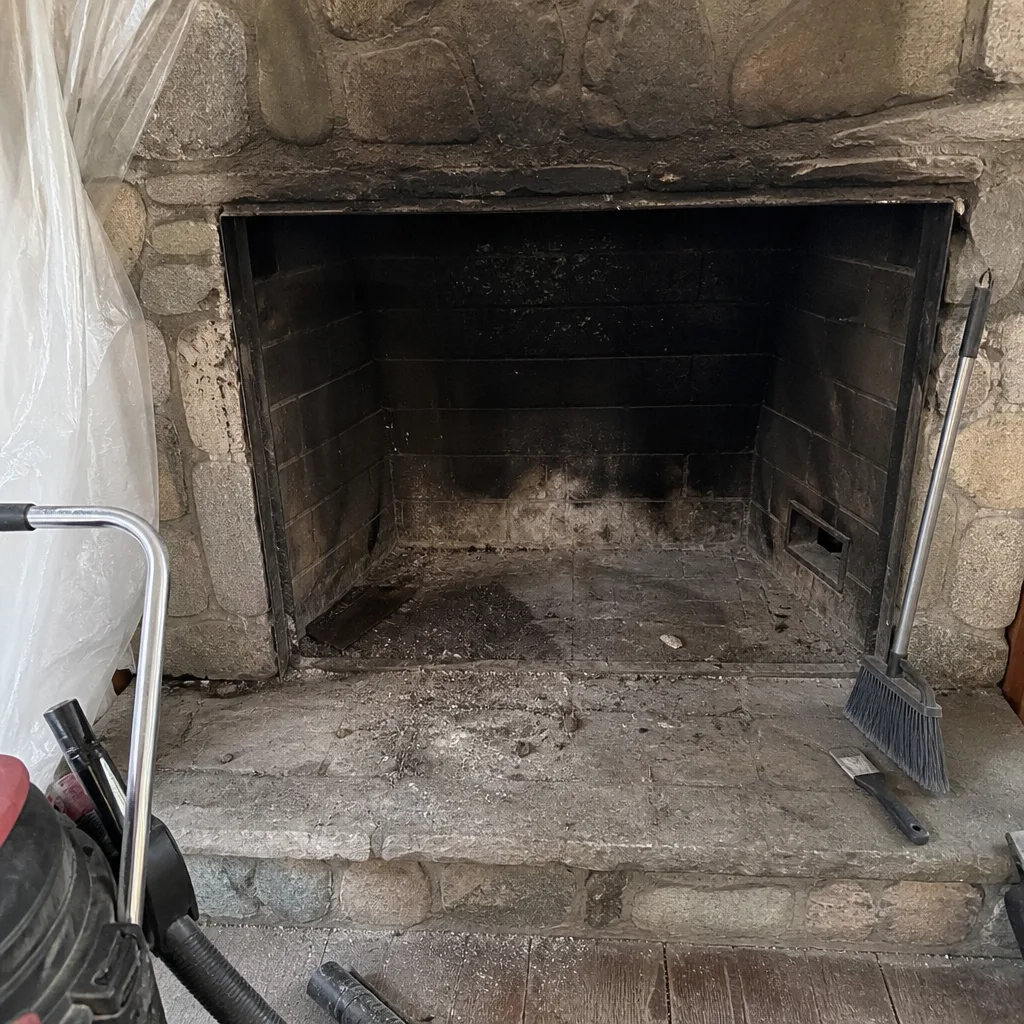 Before
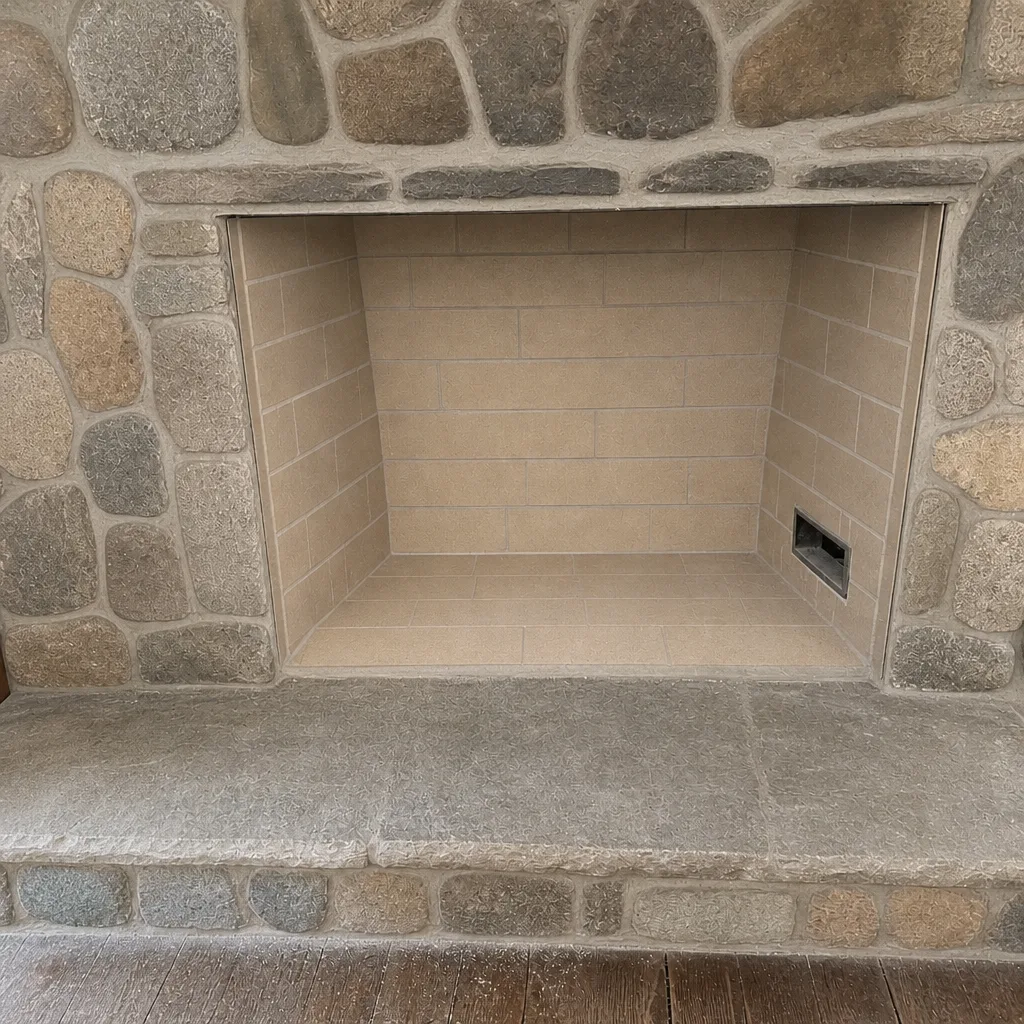 After
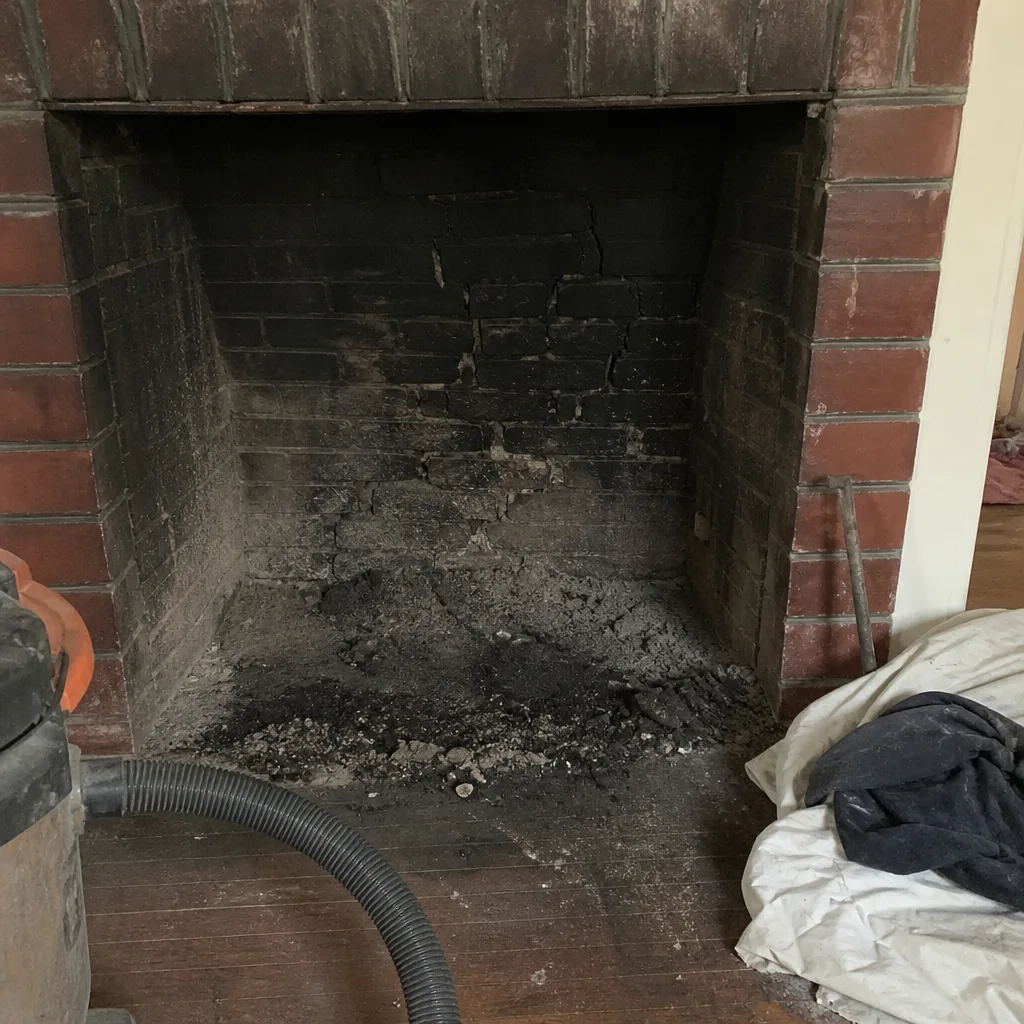 Before
 After
 Before
 After
When to Call a Professional
Some findings on your checklist are fine to log and watch. Others need a call before you burn again. Call a professional if you see missing or crumbled mortar in the firebox, a damper that won’t close flush, obvious obstruction when you look up the flue, a cracked or displaced crown, a loose cap or screen, water staining around the chimney inside the house, or a fireplace that smokes on certain wind directions. Call immediately if you’ve had a chimney fire, if you smell gas near a gas fireplace, or if any carbon monoxide alarm has sounded. Those aren’t watch-and-wait conditions.
The rest is scheduled work. If your log shows a sweep is due, an inspection is overdue, or a component is near the end of its expected life, that’s a booking rather than an emergency. Chimney Sweep Williamsbridge offers free estimates in Williamsbridge. Call (866) 913-9502. We answer 24/7. Fast dispatch from 7am to 7pm, Sunday through Friday.
Frequently Asked Questions
Most homeowners who burn regularly should have a chimney swept about once a season, before heating season starts. If you burn only occasionally, an inspection will tell you whether the flue actually needs cleaning or whether you can wait. Creosote builds faster in dense urban settings and with unseasoned wood, so base the schedule on how much you burn rather than a fixed annual rule. Call (866) 913-9502 for an exact quote – estimates are free.
A good checklist covers four parts: a visual pre-season self-check of the damper, firebox, smoke chamber, exterior crown, cap, and flashing; a professional inspection and sweep on the schedule your burning habits dictate; a component-replacement log with dates and brands for the liner, cap, damper, and flashing; and a record of every repair. The written record is the part that protects you, because it’s what insurers and buyers ask for.
You need a new liner only if the inspection finds the existing one is genuinely compromised, and you should be shown camera evidence and photos before you agree to anything. A deteriorated but structurally sound clay liner can sometimes be resurfaced with the HeatShield system rather than replaced with a full flexible liner. If the recommendation comes without evidence you can see, ask for it. Call (866) 913-9502 for an exact quote – estimates are free.
Skipping it doesn’t cause a problem today. It removes your ability to prove what was done, which is what matters when a claim or a sale forces the question. It also means the freeze-thaw damage on the crown, or the creosote buildup in the flue, gets found a season later than it should. Both are easier and cheaper to fix early.
You can and should do the visual pre-season check: the damper, the firebox mortar, the ground-level view of the crown and cap, and the interior walls around the chase. What you can’t safely evaluate is the flue interior, the liner, and the smoke chamber, because those need proper lighting, a camera, and training. The visual check is a homeowner task; the liner evaluation is a licensed sweep’s job. Call (866) 913-9502 for an exact quote – estimates are free.
It affects the inspection conversation, which affects the sale. A documented chimney history answers the buyer’s inspector’s questions before they’re asked, and it’s the record an insurer will want if a chimney fire or carbon monoxide claim comes up. We can’t put a dollar figure on it, but a well-documented system is easier to sell, easier to insure, and easier to trust.
The Bottom Line
A chimney checklist earns its value over years, not on the day you use it. The visual pre-season check, the annual inspection and sweep, the component log, and the repair record together tell the story of your chimney to whoever needs it. That story is worth more than any single invoice, and it costs you twenty minutes and a folder to keep. If you’d rather the record started this season, the first step is an inspection with photos you can keep. Call (866) 913-9502 for a free estimate. One call covers the full flue, from the firebox to the cap.
Written by the team at Chimney Sweep Williamsbridge.