
Last updated November 25, 2026
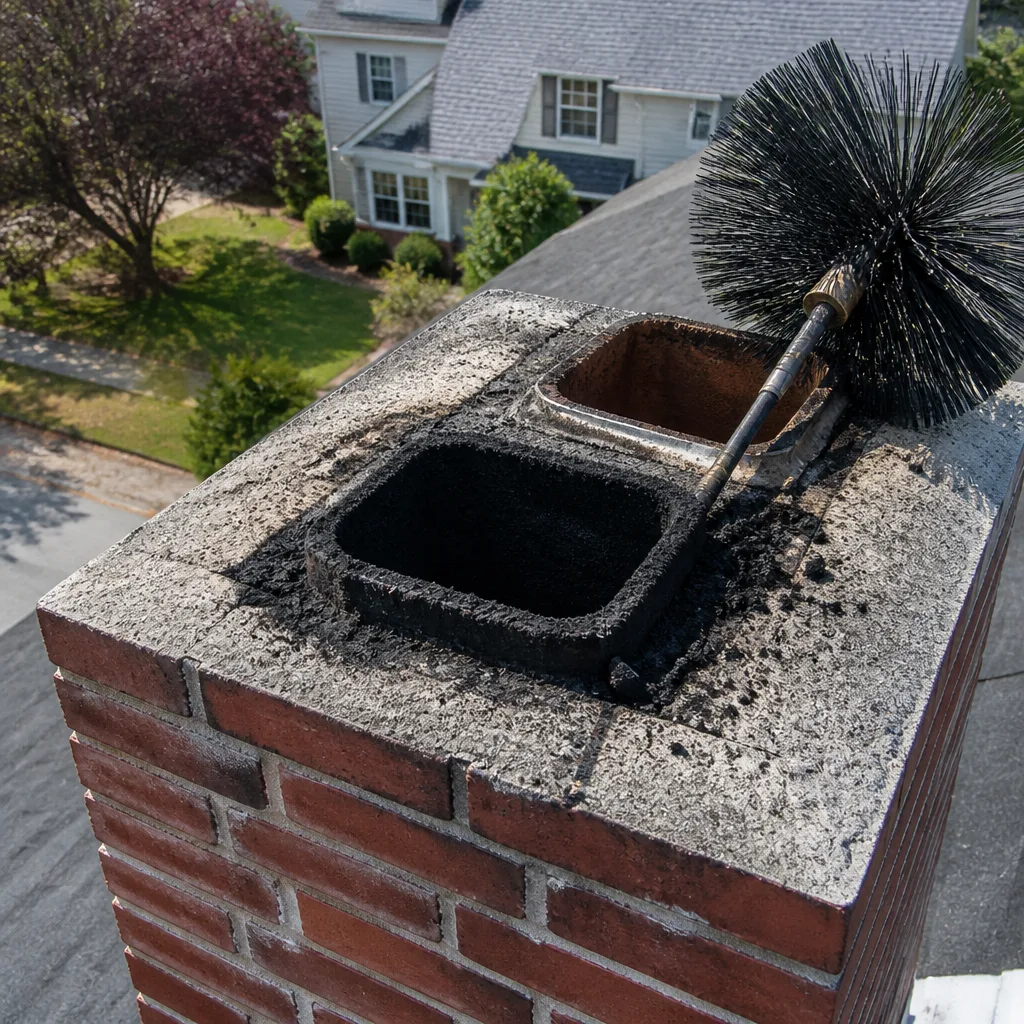 Sweep & inspection
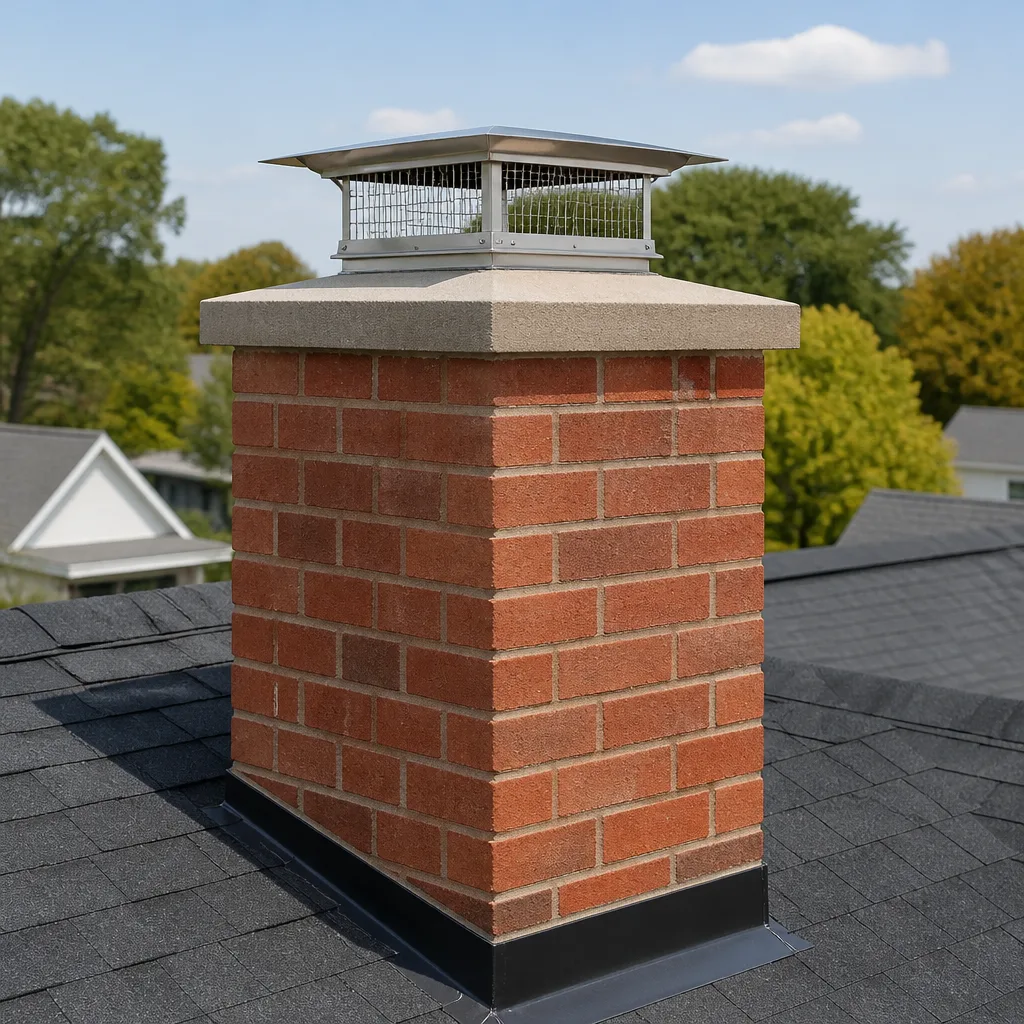 Caps & crowns
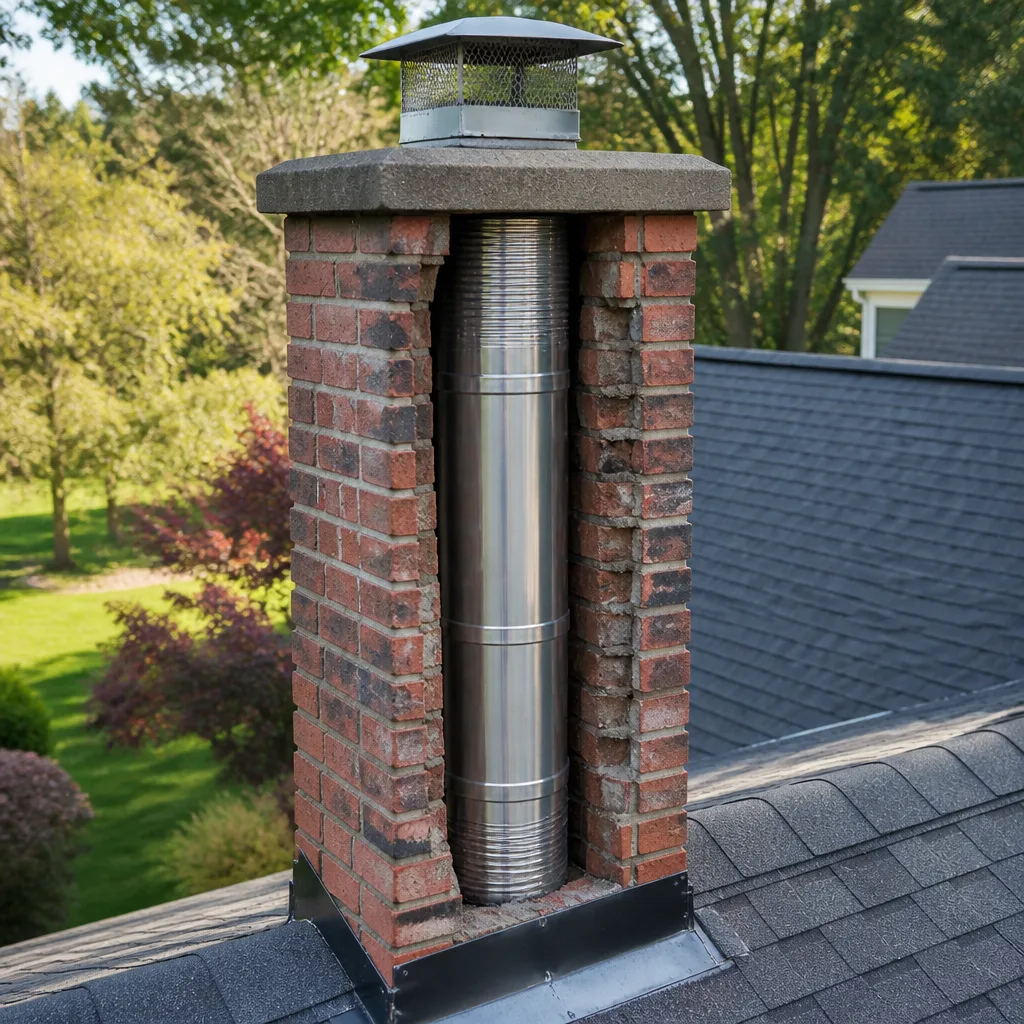 Flue relining
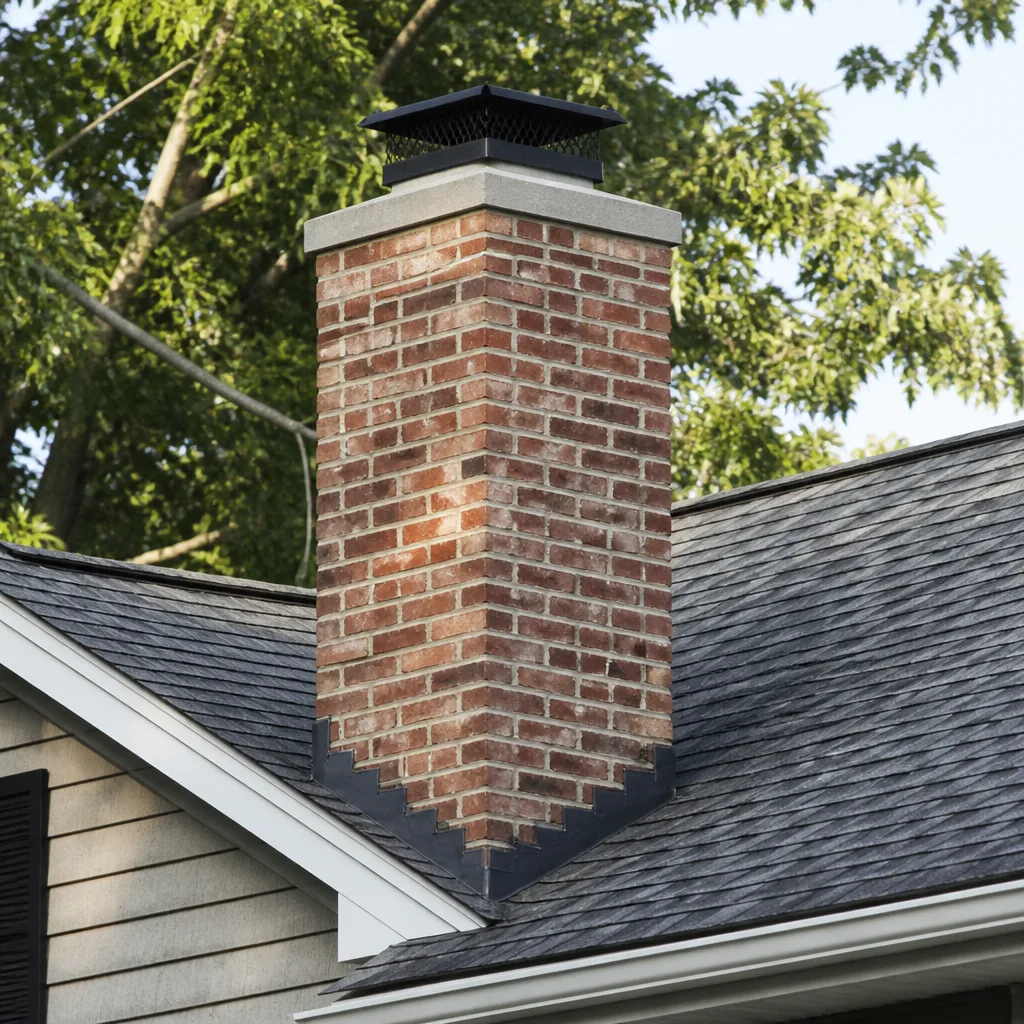 Masonry repair
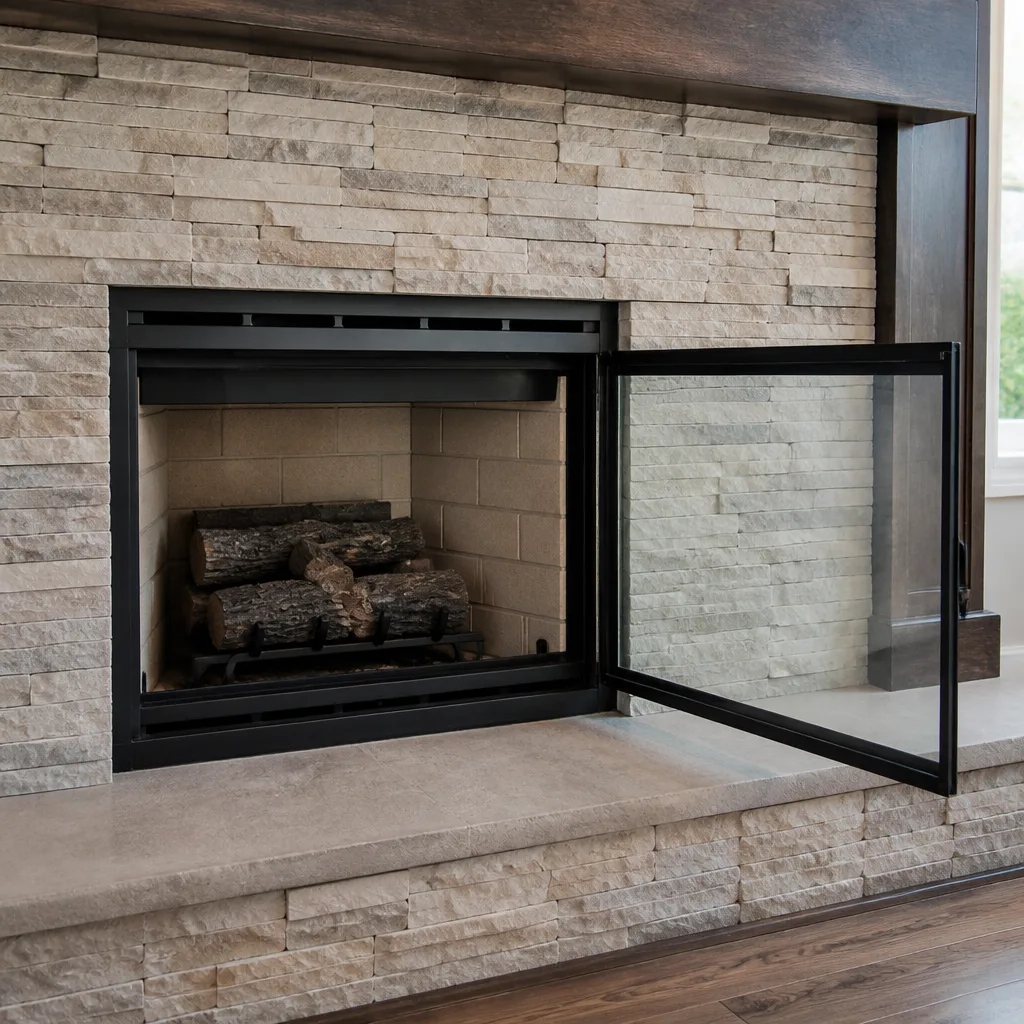 Gas fireplace service
Level 1 sweep and inspection to the NFPA 211 annual standard - flue, crown, cap, and flashing checked and photographed
Chimney sweep logs do not sweep chimneys. They loosen some creosote - which then falls where a brush and vacuum still have to collect it.
Chimney Cleaning Permits, Codes & Inspections in Williamsbridge, NY: What You Need to Know
Here’s the part most homeowners get wrong: the cleaning itself is the easy question. A routine sweep in New York City generally falls under ordinary maintenance and doesn’t require a permit. But the moment a cleaning turns up a cracked liner, a crumbling crown, or damaged flashing, you’ve crossed from maintenance into construction work that the NYC Department of Buildings expects to see on a permit. And an unpermitted liner replacement isn’t a paperwork slip. It’s an installation your insurer can point to if a fire ever traces back to that flue, which can leave you holding the liability on a repair you paid someone else to do. This guide draws that line clearly for Williamsbridge owners: what needs a permit, what doesn’t, how inspections document the difference, and how to check that the person doing the work is actually registered to do it.
Quick Answer
In Williamsbridge and across New York City, routine chimney cleaning and sweeping does not require a DOB permit. Structural or system repairs that follow a cleaning, such as liner replacement, cap and crown reconstruction, and flashing work, generally do require a permit, and the contractor performing permitted work must be registered with the NYC Department of Buildings. A Level 2 inspection is the documentation that records the condition of the system, and it’s what a buyer, seller, or insurer will ask for after a property transfer.
Styles & brands we work with
- Sweep & inspection
- Caps & crowns
- Flue relining
- Masonry repair
- Gas fireplace service
Table of Contents
- Where the Permit Line Falls: Maintenance vs. Permitted Work
- How the NYC Department of Buildings Treats Chimney Work
- Local Law 11 and Chimney Exteriors on Attached and Multi-Family Buildings
- What a Level 2 Inspection Report Needs to Contain
- CO Detector Rules and Your Chimney Maintenance Obligations
- How to Verify a Contractor’s DOB-Registered Status
- Buying or Selling in Williamsbridge: Inspections Before the Deed Changes Hands
- How Williamsbridge Weather and Housing Shape the Work
Where the Permit Line Falls: Maintenance vs. Permitted Work
The distinction that matters most in Williamsbridge isn’t whether a job is big or small. It’s whether the work changes the chimney system or simply cleans it. Sweeping removes creosote and debris from a flue that stays exactly as it was built. Replacing a liner, rebuilding a crown, or reflashing a chimney at the roof line changes the system, and that’s the side of the line where the Department of Buildings gets involved.
We’ve walked homeowners through this on hundreds of visits, and the confusion almost always comes from the same place: a cleaning reveals a problem, and the next thing the homeowner hears is a repair quote with no mention of permits. Here’s the practical breakdown.
Generally maintenance (no permit)
- Routine chimney sweeping and creosote removal
- Visual condition checks and annual Level 1 inspections
- Cleaning a firebox or smoke chamber
- Replacing a chimney cap on a like-for-like basis, though some installations cross into permitted territory depending on scope, so confirm with the DOB before work starts
- Routine fireplace cleaning and minor gasket or seal service
Generally permitted work
- Relining a flue, including flexible stainless liner installation
- Rebuilding or substantially repairing a chimney crown
- Masonry repair that affects structural integrity
- Flashing replacement at the roof penetration
- Firebox reconstruction or resurfacing that changes the flue system
The honest answer is that the exact permit threshold depends on scope, and any contractor who tells you permits are never needed for chimney work in New York City is telling you something about how they operate. Ask your city’s building department directly, and ask the contractor for the filing. If they can’t produce it, that’s your answer. When you’re ready to sort out what your chimney actually needs, a Chimney Sweep Williamsbridge visit starts with diagnosis, not a sales pitch.
How the NYC Department of Buildings Treats Chimney Work
The NYC Department of Buildings regulates construction work across the five boroughs, and chimney repairs that alter a flue or chimney structure fall under its oversight. That means a filing, a plan where required, and an inspection before the work is signed off. In practical terms for a Williamsbridge homeowner, this affects three things: who can do the work, what documentation you keep, and what happens when you sell.
Certified chimney professionals file permits for liner replacements and structural repairs because they have to. The permit protects the homeowner, not the contractor. It creates a record that the work was reviewed, that materials met specification, and that the finished installation was inspected. That record matters later.
What the DOB expects to see
- A registered contractor filing the permit before work begins
- Scope documentation describing exactly what’s being replaced or repaired
- Materials that meet the specification for the application, which is why a professional-specification product like a DuraFlex flexible liner system belongs in permitted work
- An inspection after completion, so the file closes with a sign-off rather than an open permit
Open permits are their own headache at resale. A title search will surface a permit that was filed and never closed, and a buyer’s attorney will ask about it. If a previous owner had a chimney repair done without a sign-off, that can stall a closing in Williamsbridge just as easily as anywhere else in the Bronx. If you’re not sure whether your chimney has an open permit, that’s a question worth answering before you list.
Local Law 11 and Chimney Exteriors on Attached and Multi-Family Buildings
Local Law 11 governs facade inspections for buildings in New York City, and chimney exteriors count as part of the facade on attached and multi-family buildings. This matters in Williamsbridge, where a large share of the housing stock is attached or semi-attached, and where a chimney on a shared wall is exposed to more than weather. If the masonry on a chimney stack is spalling, the crown is cracked, or the joints are failing, that’s a facade condition, and it has inspection implications that a simple sweeping visit won’t catch.
For a single-family detached home, Local Law 11’s facade inspection cycle generally doesn’t apply the way it does to larger buildings. For attached homes and multi-family properties, the owner’s obligations are broader, and the chimney is one more exterior element that can put a building out of compliance.
What this means in practice
- A chimney on a shared wall can’t be assessed from the ground alone; visible masonry condition needs a closer look
- Cracked crowns and deteriorated mortar joints let water in during a Bronx freeze-thaw winter, and the damage compounds season to season
- Facade-driven repairs on a chimney are construction work, which brings you back to the permit question
- Multi-family owners should keep chimney repair records alongside their other building documentation, because a buyer will want them
This is why we treat chimney repair as a diagnostic-first service. Repointing a joint and rebuilding a crown are different jobs with different permit profiles, and the scope has to be documented before anyone picks up a trowel. On attached housing, the crown and cap are also where water first gets in, which is why chimney cap & crown work tends to come up on the same visit as a facade concern.
What a Level 2 Inspection Report Needs to Contain
A Level 2 inspection is the documentation standard you’ll need after a property transfer, after an event that may have damaged the chimney, or when you’re changing the type of fuel or appliance. It goes further than the annual visual check. It includes inspection of accessible areas of the chimney, the flue, and the connections, and it’s performed with a camera so the interior of the flue can actually be seen rather than guessed at.
For NYC DOB documentation and for a real estate transaction, a report that just says “chimney in good condition” is worthless. What the file needs is specific.
What a usable Level 2 report includes
- Identification of the property address and the date of the inspection
- The inspection level performed and the standard it follows
- The type of appliance and fuel being vented
- The condition of the flue liner, recorded with camera imagery
- Condition of the firebox, smoke chamber, damper, and cap
- Observations of the exterior masonry, crown, and flashing
- Photographic documentation of any defects found
- Recommendations separated into what needs immediate attention and what can safely wait
That last item is where a lot of inspection reports fall apart. A homeowner facing a recommendation for thousands of dollars of liner work deserves to see the camera footage that justify it. We record it and hand it over, because a recommendation you can’t verify is a recommendation you shouldn’t trust. A standalone inspection is available on its own, without a sweep attached to it, and that’s deliberate. If you only want the diagnosis, that’s what you get. When you do book a chimney sweep, the camera footage and a photo report come with the visit at no extra charge.
CO Detector Rules and Your Chimney Maintenance Obligations
New York City requires carbon monoxide detectors in dwellings, and the installation rules are set by law. The detector requirement and the chimney maintenance obligation are two separate rules, but they work together: the detector is the backstop, and the chimney maintenance is what keeps the backstop from ever having to do its job. A blocked or damaged flue can push combustion gases back into a living space, and on a cold Williamsbridge night with the heat running, that’s not a hypothetical.
What we tell homeowners is simple. The detector is required. Keep it working. But don’t treat a detector as a substitute for maintaining the system it’s watching over.
Your chimney-side obligations
- Have the chimney swept and inspected on a regular schedule, and more often with heavy use
- Keep the flue clear of nests, debris, and creosote buildup
- Make sure the cap is intact, since a missing cap is an open door for animals and water
- Never run an appliance vented to a flue that hasn’t been inspected since the last major change
- Address cracked liners rather than waiting; a compromised liner is a path for gases to leave the flue
We don’t scare-sell on this point. Most homes we inspect in Williamsbridge are fine. The ones that aren’t usually have a liner or a cap problem that was visible on camera and straightforward to fix. What we won’t do is tell you a flue is dangerous without showing you why.
How to Verify a Contractor’s DOB-Registered Status
Here’s the part that catches people. If you hire an unregistered contractor for permitted chimney work, the liability for that work doesn’t automatically leave with the contractor. It can follow the property, which means it can follow you. A failed installation that was never inspected, on a permit that was never filed, is a problem you can inherit as the owner of record.
Checking registration is not complicated, and you should do it before signing anything.
Steps to verify before you hire
- Ask the contractor for their DOB registration and confirm it through the Department of Buildings; don’t take a business card as proof
- Confirm the contractor is licensed and insured as their state requires for the work being performed
- Ask who files the permit and whose name goes on it
- Ask for the permit number before work starts, not after
- Check that the permit gets signed off and closed when the job is done
- Keep the permit, the inspection sign-off, and the materials documentation together with your property records
None of this is unusual to ask. A contractor doing permitted work expects the question, and the answer should be immediate. What you want is a paper trail that a buyer’s attorney, an insurer, or a future contractor can read. That’s the whole point of doing it right. It’s also why we work with professional-grade components from brands like Olympia Chimney and Copperfield, since a permitted installation is only as good as the material that goes in it.
Buying or Selling in Williamsbridge: Inspections Before the Deed Changes Hands
Chimney issues surface at exactly the wrong time in a transaction, and Williamsbridge is no exception. A buyer’s inspector flags the chimney, the seller doesn’t have records, and suddenly there’s a negotiation about a liner nobody can prove the condition of. Getting an inspection before listing removes that uncertainty. It also gives you something to hand over that isn’t a verbal assurance.
For sellers
- Commission a Level 2 inspection before listing so you know what you’re selling
- Get the report, the camera footage, and any permit documentation into one folder
- Address anything with a clear defect before it becomes a buyer’s negotiating point
- Be ready to show that any prior repair was permitted and signed off
For buyers
- Order an inspection as part of your due diligence, not after closing
- Ask for camera footage, not just a written summary
- Ask whether any chimney work on the property was permitted, and ask to see the sign-off
- If a repair was done without a permit, factor that into your decision and your insurance conversation
This is the single most useful thing a standalone inspection does. It converts a property’s chimney history into a document. Call (866) 913-9502 to schedule one before you list or before you close. We answer 24/7, with fast dispatch from 7am to 7pm, Sunday through Friday.
How Williamsbridge Weather and Housing Shape the Work
Williamsbridge sits in the Bronx, which means real winters with freeze-thaw cycles that work on masonry year after year. Water gets into a hairline crack in the crown, freezes, expands, and widens the crack. Repeat that for a few seasons and a crown that started as a small maintenance item becomes a rebuild. That cycle is why crown and cap condition comes up on almost every inspection we do in Williamsbridge, and why we look at the exterior as carefully as the flue interior.
The housing stock shapes the work too. Attached and semi-attached homes mean shared walls and chimneys that aren’t fully exposed on every side, which affects how much of the exterior is visible and how repairs get approached. Older masonry in the neighborhood often means a chimney has already been through a repair or two, and whether those were done correctly matters more than their age. We’ve seen patched crowns that were never going to hold, and liners installed to a standard that didn’t belong in a permitted application.
The heating season here is long enough that a neglected flue gets real use before anyone thinks to check it. That’s the argument for booking a sweep before the cold arrives rather than after the first cold snap. It’s a seasonal urgency, not an hourly one, and a booked sweep in the fall is easier to schedule than a scramble in January.
Our technicians have up to 10 years of experience working on wood-burning and gas systems, and the approach is the same regardless of the season: inspect first, recommend second. From the firebox to the cap, the goal is to tell you what’s actually there, show you the evidence, and let you decide what to do about it.
Common Mistakes to Avoid
- Assuming the cleaning included a real inspection. A sweep removes creosote; it doesn’t document the liner with a camera. If you don’t have footage, you don’t have a condition report, and that gap is what shows up at resale or after a claim.
- Letting a repair happen without a permit. A liner replacement or crown rebuild without a filed permit is construction work with no record. It can void insurance coverage if it’s ever implicated in a fire, and it can stall a Williamsbridge closing.
- Hiring an unregistered contractor for permitted work. The consequence doesn’t stop at the contractor. Unpermitted, uninspected work can follow the property, and the owner of record inherits the problem.
- Treating a Level 1 check as a Level 2 inspection. They document different things. If a transaction or a DOB file needs a Level 2, an annual visual check won’t satisfy it.
- Skipping the cap. An open flue lets in water, animals, and debris, and none of those improve the flue liner. A missing or damaged cap is one of the least expensive problems to fix and one of the most expensive to ignore.
- Accepting a recommendation you can’t see the evidence for. If someone tells you the liner needs replacing, ask for the camera footage. A legitimate diagnosis holds up to that question every time.
- Waiting until the first cold snap to book. The Bronx heating season is long. A sweep booked ahead of it is a simpler job than an inspection squeezed into the coldest week of the year.
See the difference
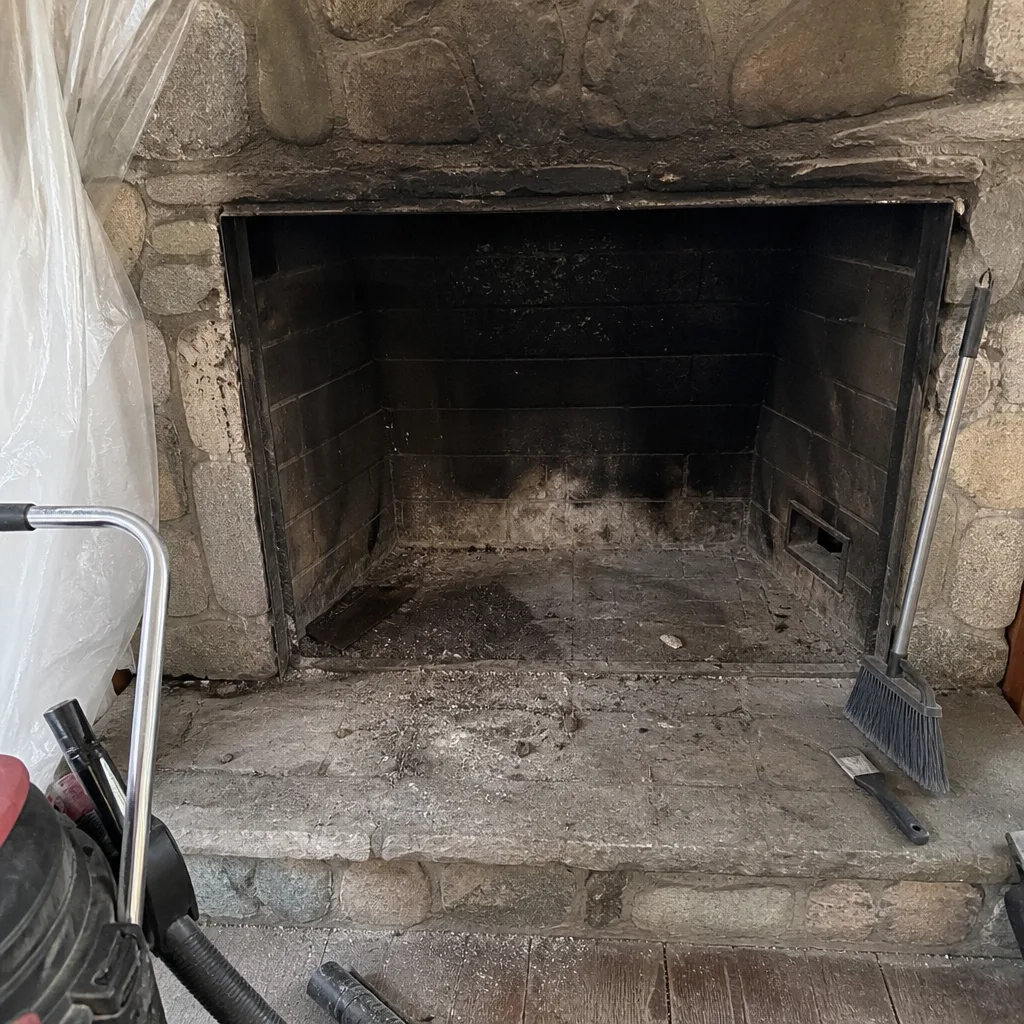 Before
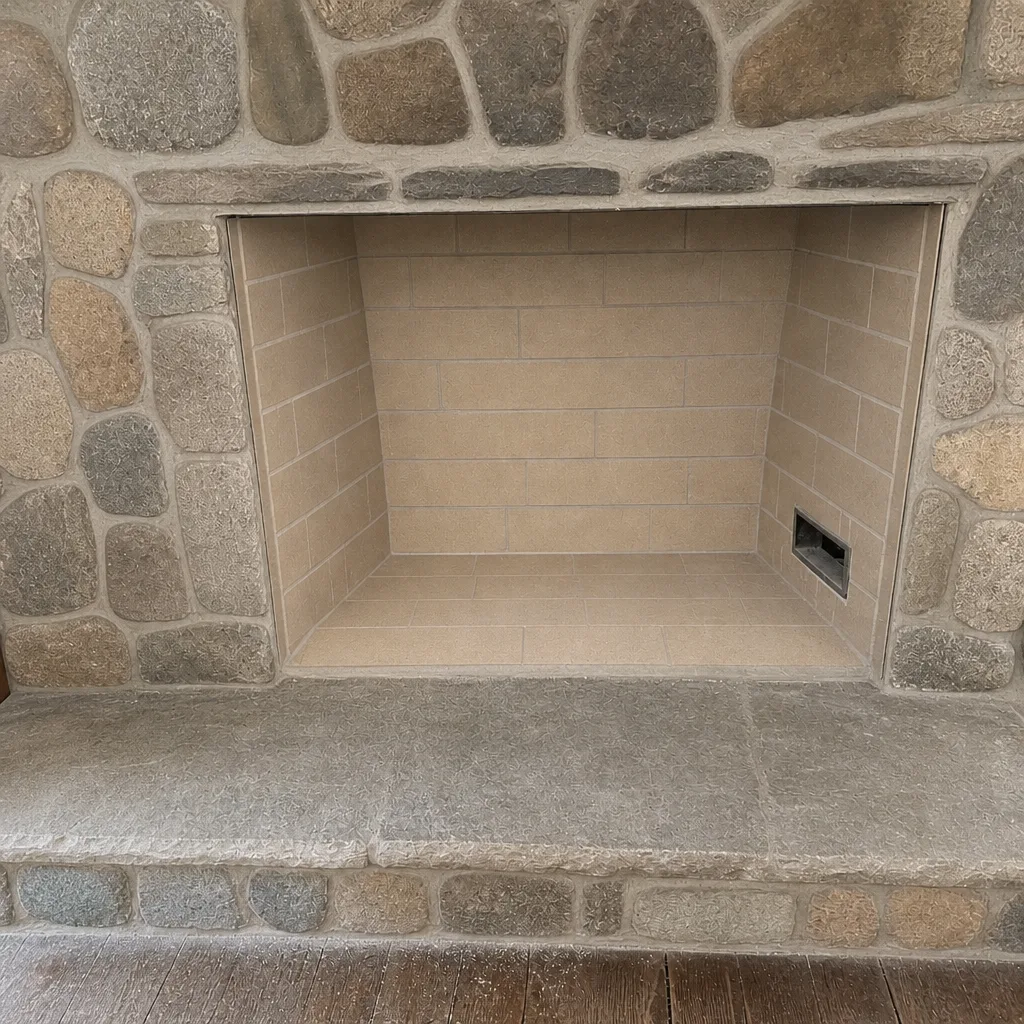 After
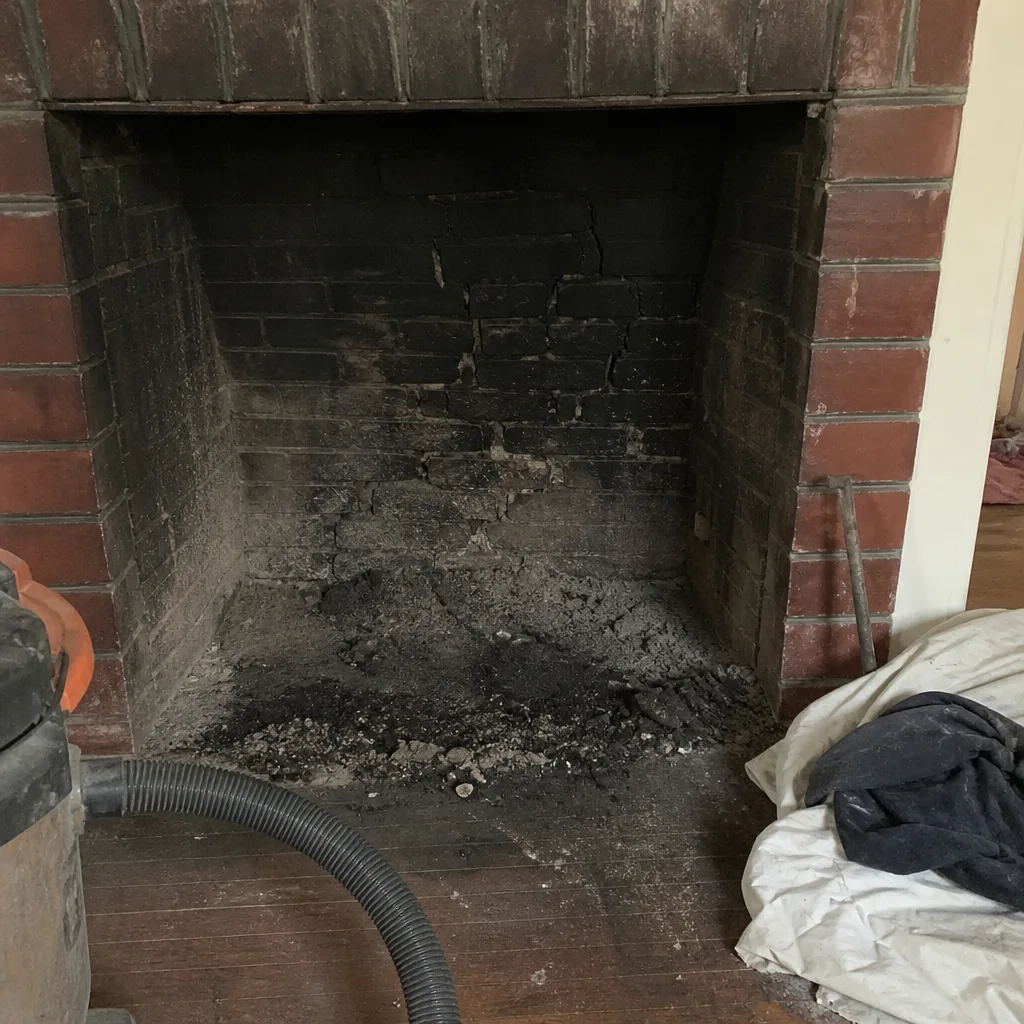 Before
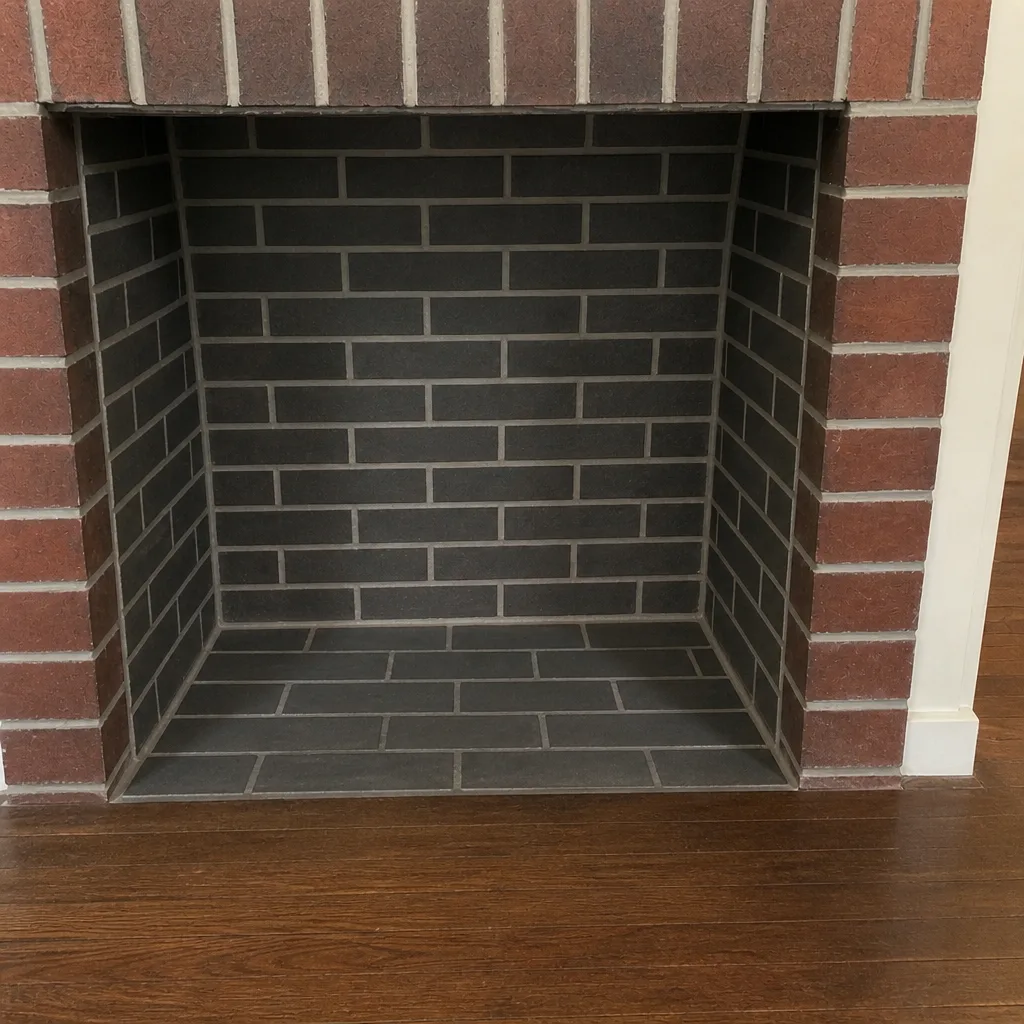 After
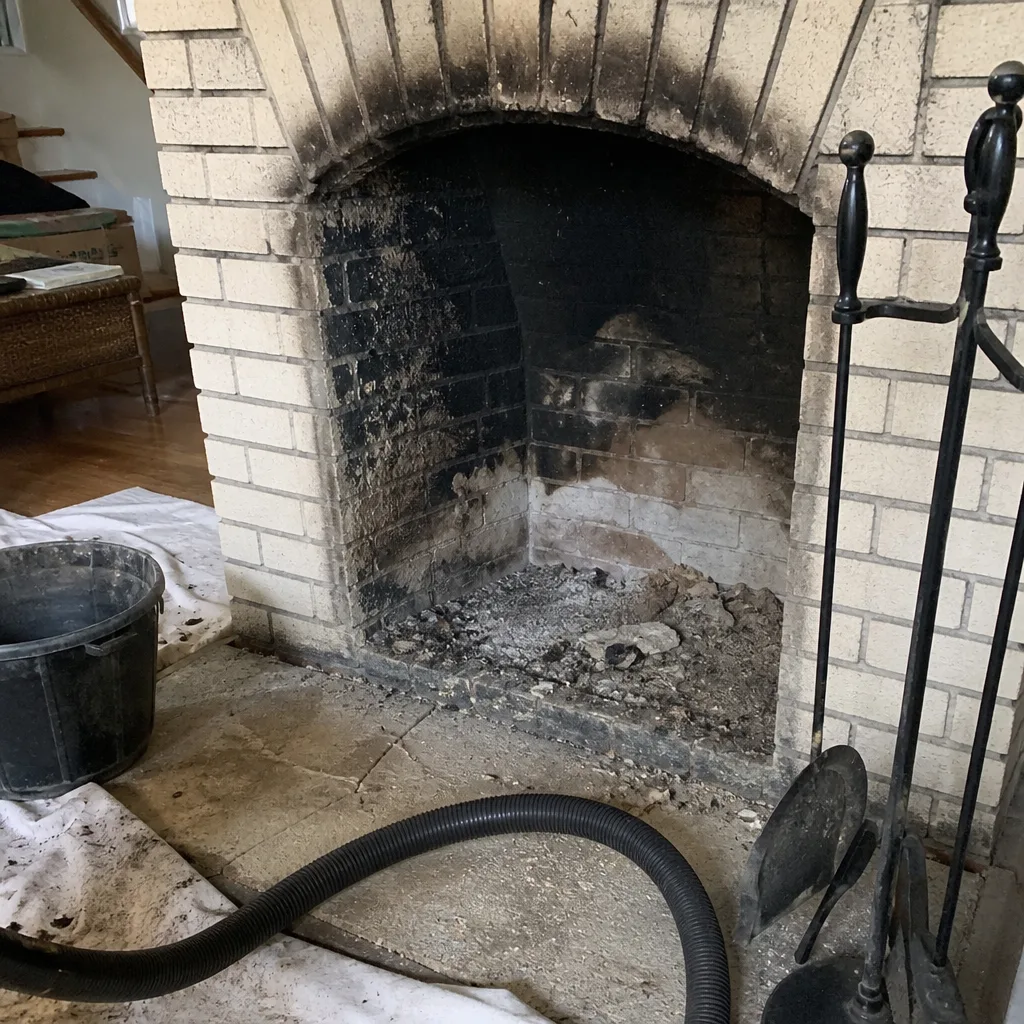 Before
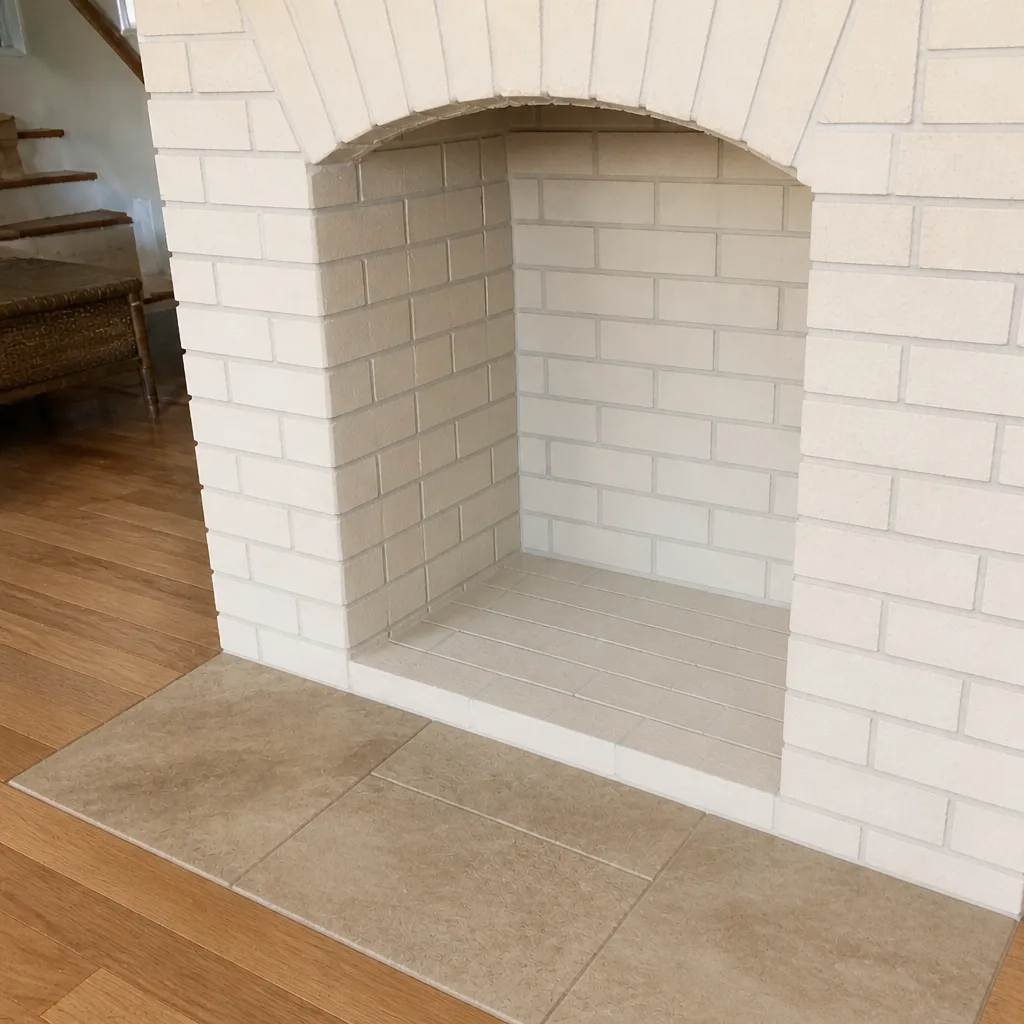 After
When to Call a Professional
Call a professional when a cleaning turns up damage you can’t verify yourself, when a transaction is on the table and you need a Level 2 report, when you’ve changed the appliance vented to a flue, or when you’ve had a chimney fire, even a small one. Call when you’re buying or selling in Williamsbridge and want the chimney documented rather than assumed. Call if you’ve inherited a home with a repair you can’t confirm was permitted. And call if you simply don’t know the last time the flue was inspected, which is more common than people admit.
Chimney Sweep Williamsbridge offers free estimates in Williamsbridge. Call (866) 913-9502. We answer 24/7. Fast dispatch from 7am to 7pm, Sunday through Friday. The estimate is free, and the written estimate sets the final price.
Frequently Asked Questions
No. Routine chimney cleaning and sweeping in New York City is maintenance and doesn’t require a DOB permit. Repairs that change the system, like liner replacement, crown reconstruction, and flashing work, generally do require a permit and a registered contractor. If a cleaning reveals one of those, the permit question comes next. Call (866) 913-9502 for an exact quote on the work itself; estimates are free.
A sweep removes creosote and debris; a Level 2 inspection documents the condition of the flue and connected components, including camera imagery of the liner interior. A Level 2 is what a property transfer, an insurance question, or a DOB file generally needs. A sweep alone doesn’t produce that record. We offer inspections as a standalone service for exactly this reason.
You need a new liner if the existing one is cracked, deteriorated, or unsuited to the appliance, and you should be able to see the footage that shows it. Ask for the camera imagery before you decide. A legitimate liner recommendation holds up to that request, and a resurfacing system like HeatShield can sometimes restore a deteriorated flue without a full replacement. Call (866) 913-9502 to see what your flue actually looks like; estimates are free.
You can inherit the liability. Unpermitted work has no inspection record, which can affect insurance coverage if the installation is ever implicated in a fire, and it can surface as an open or missing permit during a sale. Verify DOB registration before you sign anything.
For a wood-burning fireplace in regular use, an annual sweep and inspection is the standard baseline, and heavier use calls for more frequent checks. Gas appliances still need inspection even though they produce less creosote. The right answer for your flue depends on what the inspection finds.
It can. Local Law 11 governs facade inspections for buildings in New York City, and chimney exteriors are part of the facade on attached and multi-family buildings. Single-family detached homes generally sit outside the facade inspection cycle the way larger buildings are covered, so confirm the specifics for your building with the Department of Buildings.
Sometimes yes. A worn cap or a hairline crown crack that hasn’t reached the flue often can be scheduled rather than rushed. A cracked liner or a compromised flue serving an active appliance usually shouldn’t wait. We tell you which one you have and show you the evidence behind the call, so you’re not guessing.
The Bottom Line
The cleaning is the easy part. The permit question is where Williamsbridge homeowners get caught, and it comes down to one distinction: sweeping is maintenance, and changing the system is construction work that the NYC Department of Buildings expects to see on a permit. Get a Level 2 inspection when a transaction or a documentation need calls for one, and ask for the camera footage behind any recommendation. Verify DOB registration before you hire anyone for permitted work, and keep the permit and sign-off with your property records. Do that, and the chimney stops being a liability that follows the deed. We’re here when you want the diagnosis first.
Written by the team at Chimney Sweep Williamsbridge.