
Last updated November 25, 2026
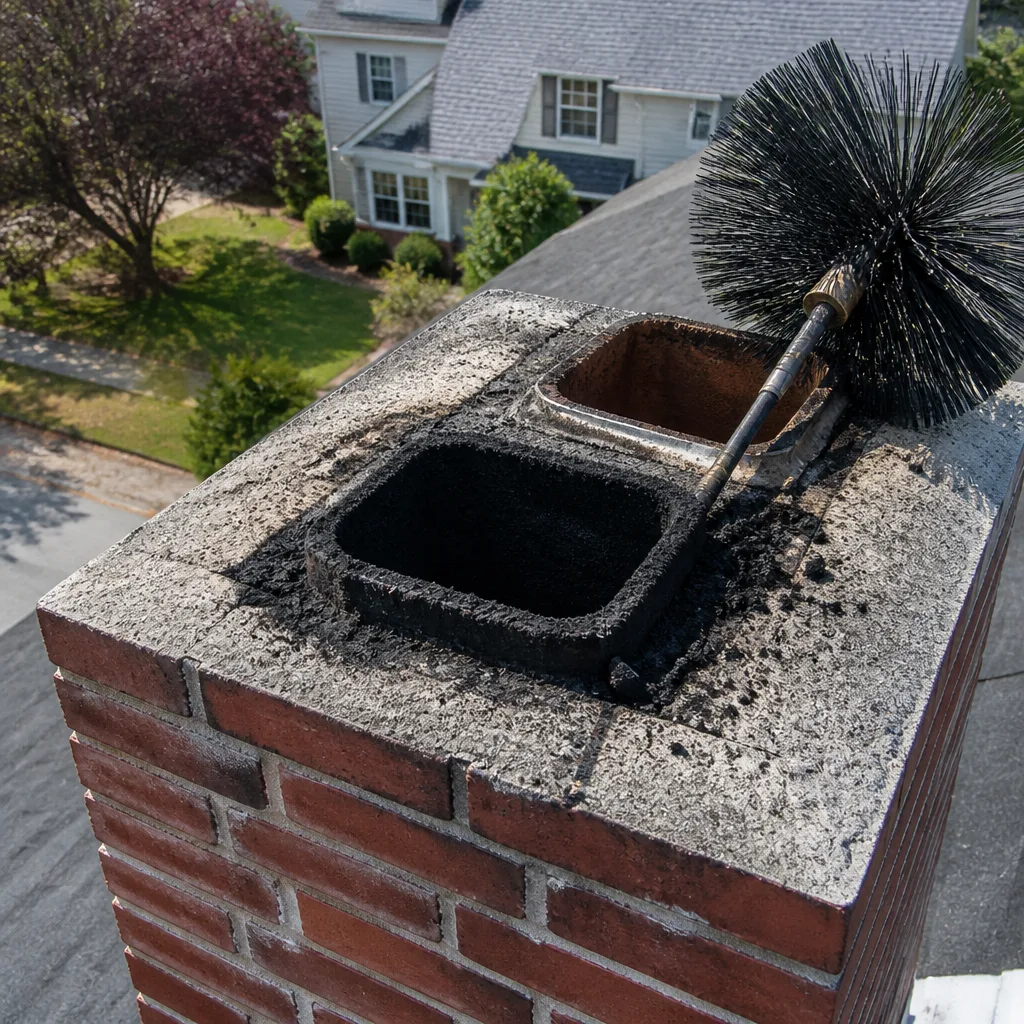 Sweep & inspection
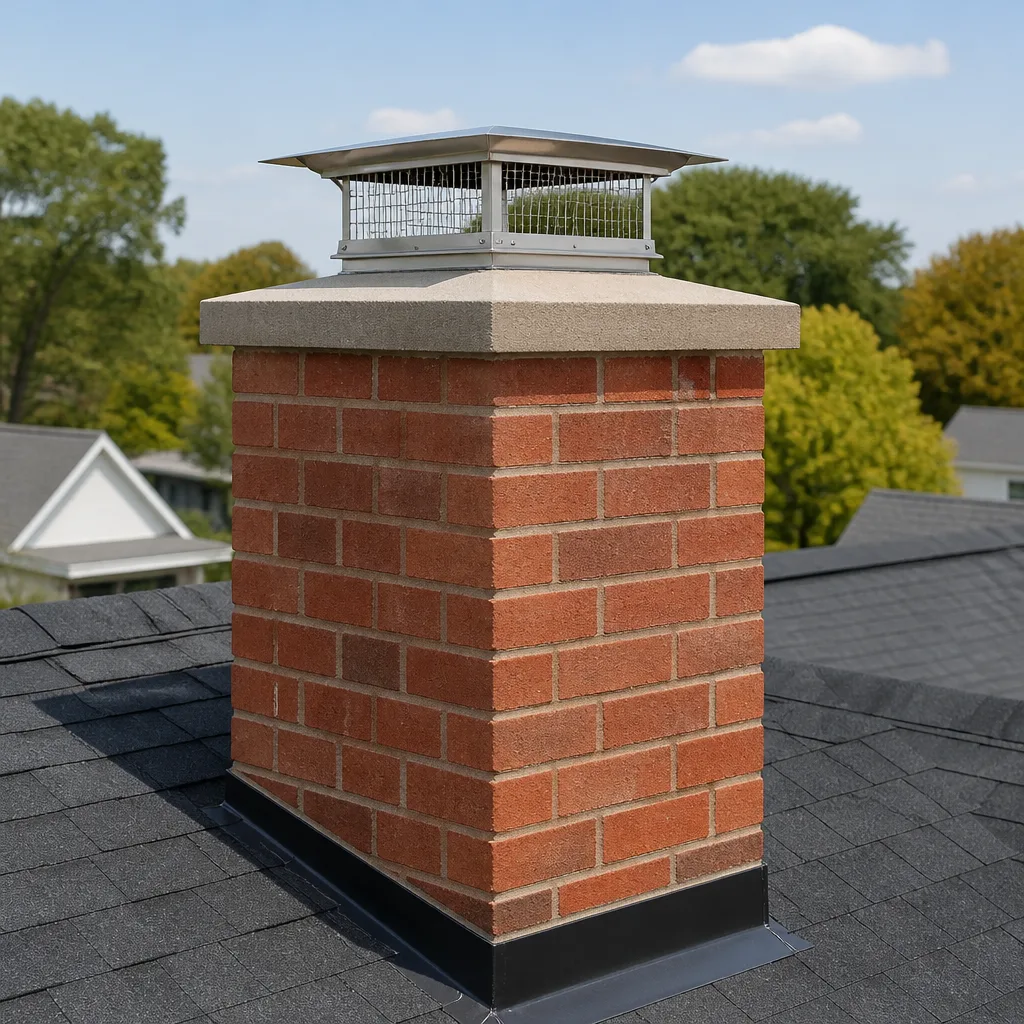 Caps & crowns
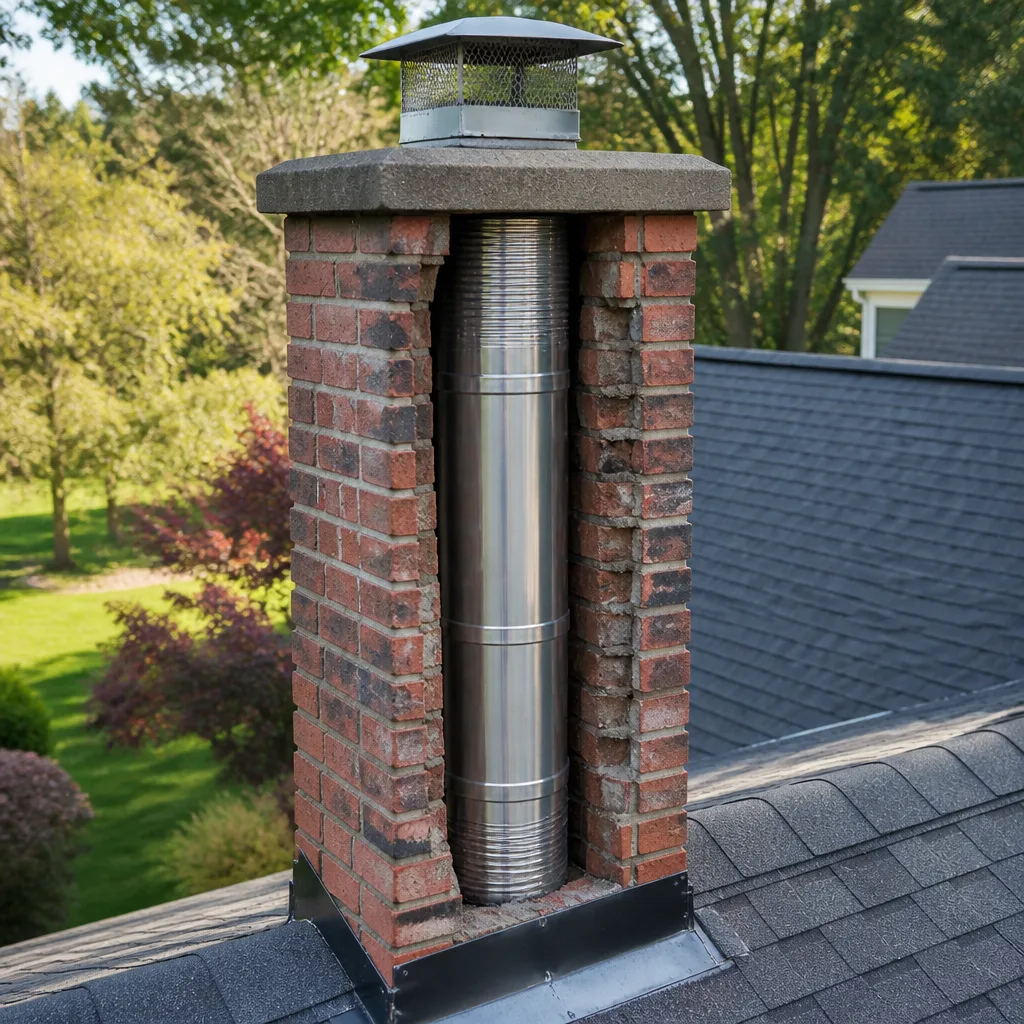 Flue relining
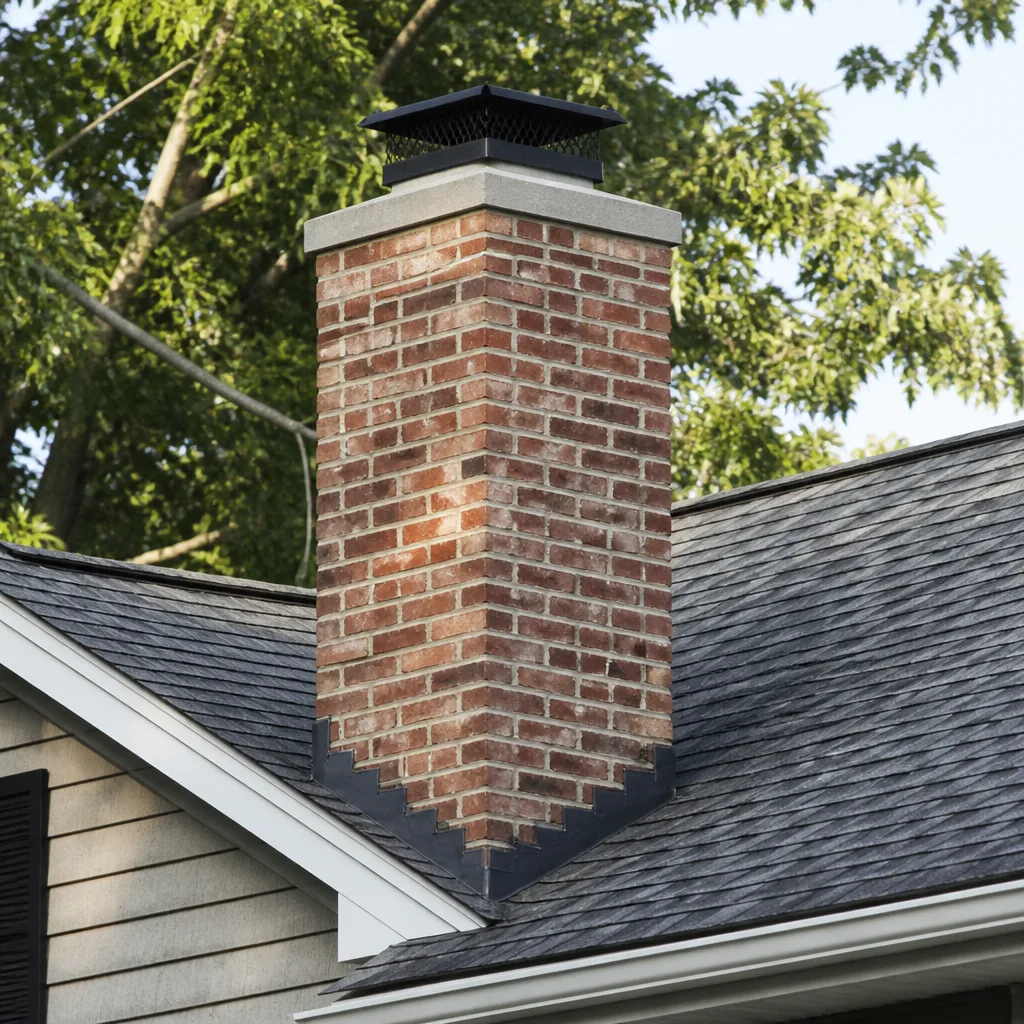 Masonry repair
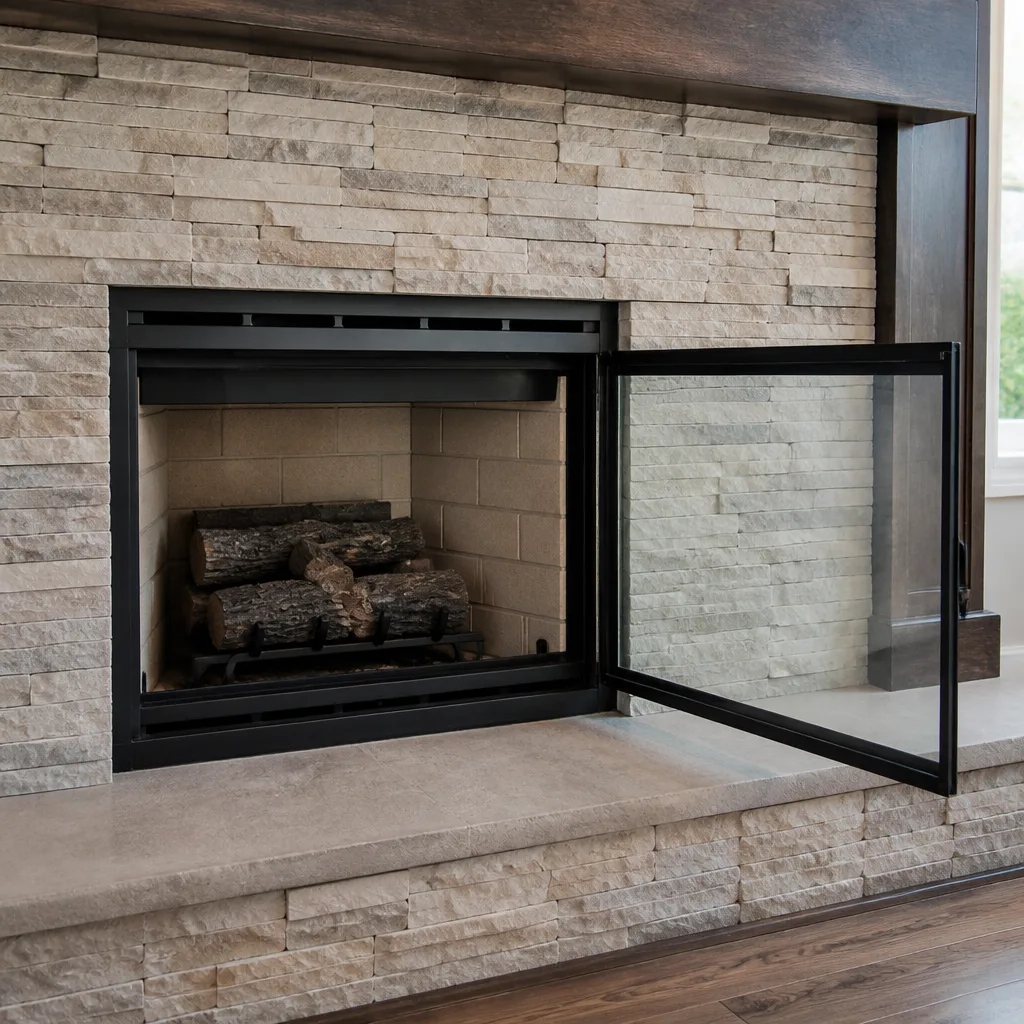 Gas fireplace service
Level 1 sweep and inspection to the NFPA 211 annual standard - flue, crown, cap, and flashing checked and photographed
Chimney sweep logs do not sweep chimneys. They loosen some creosote - which then falls where a brush and vacuum still have to collect it.
Chimney Cleaning Emergency Preparedness Guide for Williamsbridge Homes
Most people picture a chimney emergency as flames shooting from the roof. That happens, but it’s the rare version. The emergencies we get called about most often are quieter: a carbon monoxide alarm that goes off at two in the morning, a crown that cracks apart during a hard freeze and drops debris down the flue, or a bird nest that plugs the chimney in January when every sweep in the borough is booked. Carbon monoxide from a blocked or cracked flue has no smell, so nothing warns you until a detector sounds. In Williamsbridge’s attached rowhouses, that gas can travel through shared wall cavities and reach a neighboring unit before anyone’s alarm triggers. This guide walks you through the four kinds of chimney emergency, what to do in each, and how to prepare before the heating season starts.
Quick Answer
A chimney emergency in Williamsbridge is one of four things: an active chimney fire, a carbon monoxide event, a structural failure of the crown or cap, or a sudden loss of draft. Each has its own response. For a fire, close the damper if you can do it safely, get everyone out, and call 911. For a CO alarm, leave the building and call the fire department. For structural damage or draft loss, stop using the fireplace and book an inspection before you burn again. Preparation, not panic, is what keeps a chimney problem from becoming a household emergency.
Styles & brands we work with
- Sweep & inspection
- Caps & crowns
- Flue relining
- Masonry repair
- Gas fireplace service
Table of Contents
- The Four Categories of Chimney Emergency
- What to Do During a Chimney Fire
- Responding to a Carbon Monoxide Event
- Structural Failure: Crown, Cap, and Masonry Collapse
- Sudden Draft Loss and Blocked Flues
- Emergency Risks in Williamsbridge’s Attached Housing
- How to Shut Down a Fireplace Safely Mid-Season
- Pre-Season Emergency Prep Checklist
The Four Categories of Chimney Emergency
Not every chimney problem is the same kind of emergency, and treating them alike wastes the minutes that matter. We sort them into four categories because the correct response to each is different. Knowing which one you’re facing before it happens is the whole point of this guide.
- Active chimney fire. A roaring sound, a vibrating flue, dense smoke, or flames and sparks at the top of the chimney. This is a fire emergency and gets a 911 call.
- Carbon monoxide event. A CO alarm sounds, or occupants develop headaches, dizziness, or nausea while a fire or gas appliance is running. This is a health emergency and gets everyone out of the building.
- Structural failure. A crown cracks and drops masonry, a cap comes loose in high wind, or bricks spall and fall. Stop burning and get the chimney inspected before the next fire.
- Sudden draft loss. Smoke rolls back into the room, the fire struggles to draw, or a blocked flue is suspected. Stop burning and have the flue checked for obstruction.
In our experience, homeowners often misread category four as a minor annoyance and keep burning. A blocked flue with a live fire is a CO event waiting to happen, and in Williamsbridge’s older rowhouses the flue can be blocked by something as ordinary as a squirrel nest or a fallen liner tile. The response is the same: stop, ventilate, and get the flue inspected. If you’re not sure which category you’re in, treat it as the more serious one and call.
What to Do During a Chimney Fire
A chimney fire is a fire inside the flue, usually fed by creosote that has built up on the liner walls. It can sound like a distant roar or a low rumble, and it can send flames and sparks out the top of the chimney. Here’s the sequence that matters.
- Close the glass doors and the damper if you can reach them safely. Cutting off the air supply starves the fire. If the firebox is too hot to approach, don’t force it.
- Get everyone out of the house. Leave the building and take your phone with you.
- Call 911. A chimney fire can spread into the attic or roof structure even if you don’t see flames there yet. Let the fire department determine whether the fire is out.
- Do not throw water on the fire. Water on a hot flue can crack the liner or the masonry, and it can send steam and debris back into the room. This is one of the most common mistakes homeowners make.
- Do not close the damper after the fire is out without an inspection. A creosote fire can leave the liner cracked or damaged, and the next fire could push CO into the house.
After the fire department clears the scene, the chimney needs a professional inspection before it’s used again. A fire that looked contained can leave a liner breached or a crown damaged. That’s the moment to book a full inspection rather than a cleaning, because the question isn’t “is it dirty” but “is it still safe to use.” Our chimney repair service picks up where the inspection leaves off, and the two together tell you exactly what the fire did.
Responding to a Carbon Monoxide Event
Carbon monoxide is the emergency that gives no warning. It’s colorless and odorless, and it’s produced by any fuel-burning appliance, including a wood fireplace, a gas insert, and a furnace. A CO alarm is the only thing that tells you it’s there. If the alarm sounds while a fire or gas appliance is running, treat it as real.
- Get everyone out of the building immediately, including pets. Do not stop to open windows or gather belongings.
- Call 911 from outside. Tell the dispatcher a CO alarm has sounded and whether anyone has symptoms.
- Do not re-enter until the fire department says it’s safe. They will test the air and identify the source.
- Do not relight the fireplace or restart the appliance until the source is found and corrected.
Symptoms of CO exposure include headache, dizziness, nausea, confusion, and shortness of breath. They often feel like flu symptoms, which is why people dismiss them. If anyone in the household has these symptoms while a fuel-burning appliance is running, get out and call for help. After the event, the chimney needs a close look at the flue for cracks, blockages, or a disconnected liner. Our chimney sweep and inspection visit is the starting point, because the flue has to be checked before the fireplace goes back into service.
Structural Failure: Crown, Cap, and Masonry Collapse
The crown is the concrete cap at the top of the chimney that sheds water away from the masonry. The cap is the screen-and-metal cover that keeps rain, animals, and debris out of the flue. Both take a beating in Williamsbridge’s freeze-thaw winters. Water gets into a hairline crack, freezes, expands, and widens the crack until a section of crown breaks loose. A windstorm can lift a loose cap or tear it off entirely.
Signs of structural trouble to watch for:
- Chunks of concrete or brick on the roof or in the yard after a freeze or storm.
- A cap that’s tilted, loose, or missing.
- Visible cracks in the crown from the ground with binoculars.
- Water staining on the ceiling or chimney breast inside the house.
- Crumbling mortar joints between bricks near the top of the chimney.
If you see any of these, stop using the fireplace until the chimney is inspected. A damaged crown lets water into the flue, and a missing cap lets animals and debris in. Both lead to bigger repairs if they’re left. Our chimney cap & crown work addresses the top of the system, and we use professional-grade components from suppliers like Olympia Chimney for the parts that keep weather out. In attached housing, a collapsing crown on one unit can drop debris onto a neighbor’s roof or into a shared flue, so it’s worth reporting to the building owner promptly.
Sudden Draft Loss and Blocked Flues
Draft is the upward pull of air that carries smoke and combustion gases out of the house. When it fails, smoke backs into the room and CO can follow. A sudden loss of draft usually means something is blocking the flue or the pressure in the house has changed. Common causes include a bird or squirrel nest, a fallen liner tile, a collapsed cap, soot buildup that has narrowed the flue, or a tightly sealed house that’s starving the fire of make-up air.
What to do when smoke rolls into the room:
- Open a window near the fireplace to relieve negative pressure and give the fire air to draw.
- Put the fire out safely or let it burn down. Do not add fuel.
- Check the cap and the top of the chimney from the ground if you can see it safely. A missing cap or visible debris is a strong clue.
- Do not use the fireplace again until the flue has been inspected and cleared.
A flue blockage in mid-winter is one of the hardest problems to solve on short notice, because every sweep in the area is booked. That’s why the pre-season inspection matters so much. An inspection before the heating season finds the nest, the cracked tile, or the soot load while there’s still time to schedule the work. Our dedicated chimney inspection is offered as a standalone service for exactly this reason: you get a diagnosis before anyone recommends a repair.
Emergency Risks in Williamsbridge’s Attached Housing
Williamsbridge has a lot of attached housing: rowhouses, multi-unit buildings, and homes that share a party wall with a neighbor. That changes the emergency calculation. A chimney problem in one unit isn’t always contained to one unit.
- Shared flues. Some older buildings have flues that serve more than one fireplace or appliance. A blockage or breach on one side can affect the other. If a neighbor reports smoke or CO, your unit may be affected even if your own fireplace is cold.
- Party walls. CO and smoke can travel through shared wall cavities and gaps around flue penetrations. This is why a CO alarm in one unit isn’t a guarantee that the neighboring unit is safe.
- Roof access. In a rowhouse block, the chimney top is often accessible only from a shared roof or a neighbor’s property. Structural debris from one crown can land on a shared roof surface.
- Older masonry. Many Williamsbridge chimneys were built with materials that have been through decades of freeze-thaw cycles. Cracks and spalling show up sooner than in newer construction.
If you live in an attached home, it’s worth knowing whether your flue is shared and where your CO detectors are placed relative to the party wall. When a neighbor has a chimney fire or a CO event, have your own flue checked too. The cost of an inspection is small next to the risk of assuming your side is fine.
How to Shut Down a Fireplace Safely Mid-Season
If you’ve had a chimney fire, a CO event, or structural damage, you may need to stop using the fireplace for the rest of the season while repairs are scheduled. Shutting down safely is mostly about stopping the fire and keeping the flue closed without trapping hazards inside.
- Let the fire burn down completely. Don’t add fuel once you’ve decided to shut down.
- Spread the embers and close the damper once everything is cool. A closed damper reduces the draft that could pull CO or smoke back into the room.
- Seal the firebox opening with a temporary cover if the flue is damaged. A sheet of rigid board or a tight-fitting cover over the opening keeps room air from feeding a draft up a damaged flue. Don’t use plastic wrap or anything that could melt or ignite.
- Keep the CO detectors active and test them. Don’t disable an alarm because the fireplace is off; a gas furnace or water heater can still produce CO.
- Book the inspection and repair so the fireplace is ready before the next heating season.
Temporary flue-blocking measures are just that: temporary. A cover over the firebox doesn’t fix a cracked liner or a blocked flue, and it doesn’t make the chimney safe to use. It only buys time while the repair is scheduled. If you’re unsure whether a temporary measure is appropriate for your situation, call and ask before you improvise.
Pre-Season Emergency Prep Checklist
The best time to prepare for a chimney emergency is before the heating season starts. This checklist covers the items that matter most for a Williamsbridge home.
- CO detector placement per NYC Local Law 50. New York City requires carbon monoxide detectors in residential units. Check that you have one on each level and near sleeping areas, and test them at the start of the season.
- Know your flue’s liner type. Is it clay tile, a metal liner, or something else? If you don’t know, an inspection will tell you. Knowing the liner type helps you understand what a repair will involve.
- Document your last inspection date. Keep a record of when the chimney was last inspected and by whom. It’s useful for insurance, for a home sale, and for knowing when the next inspection is due.
- Have the sweep’s contact information on hand. Save the number where you can find it in a hurry. Ours is (866) 913-9502, and we answer 24/7.
- Clear the area around the fireplace. Keep combustibles away from the hearth and make sure the damper operates freely.
- Check the cap and crown visually. A pair of binoculars from the ground is enough to spot a missing cap or a visible crack.
- Schedule an inspection before the first fire. A pre-season inspection finds the problems while there’s time to fix them.
Common Mistakes to Avoid
- Throwing water on a chimney fire. Water on a hot flue can crack the liner and send steam and debris into the room. Close the damper if you can and call 911 instead.
- Ignoring a CO alarm because the fireplace is off. A gas furnace or water heater can produce CO too, and a blocked flue can affect the whole house. Treat every alarm as real.
- Burning again after a chimney fire without an inspection. A fire can leave the liner cracked and the crown damaged, and the next fire can push CO into the house. The inspection is not optional.
- Assuming a neighbor’s chimney problem is only the neighbor’s. In Williamsbridge’s attached housing, shared flues and party walls mean smoke and CO can cross unit lines. Have your own flue checked when a neighbor has an event.
- Using a temporary firebox cover as a permanent fix. A cover buys time; it doesn’t repair a cracked liner or a blocked flue. Book the repair before the next season.
- Skipping the pre-season inspection because the fireplace “worked fine last year.” A cracked crown or a bird nest doesn’t announce itself until the first cold night. The inspection is cheaper than the emergency.
- Hiring a generalist for a chimney problem. A handyman with a brush can clean a flue, but diagnosing a cracked liner or a failing crown takes a full-system inspection. Ask what the inspection covers before you book.
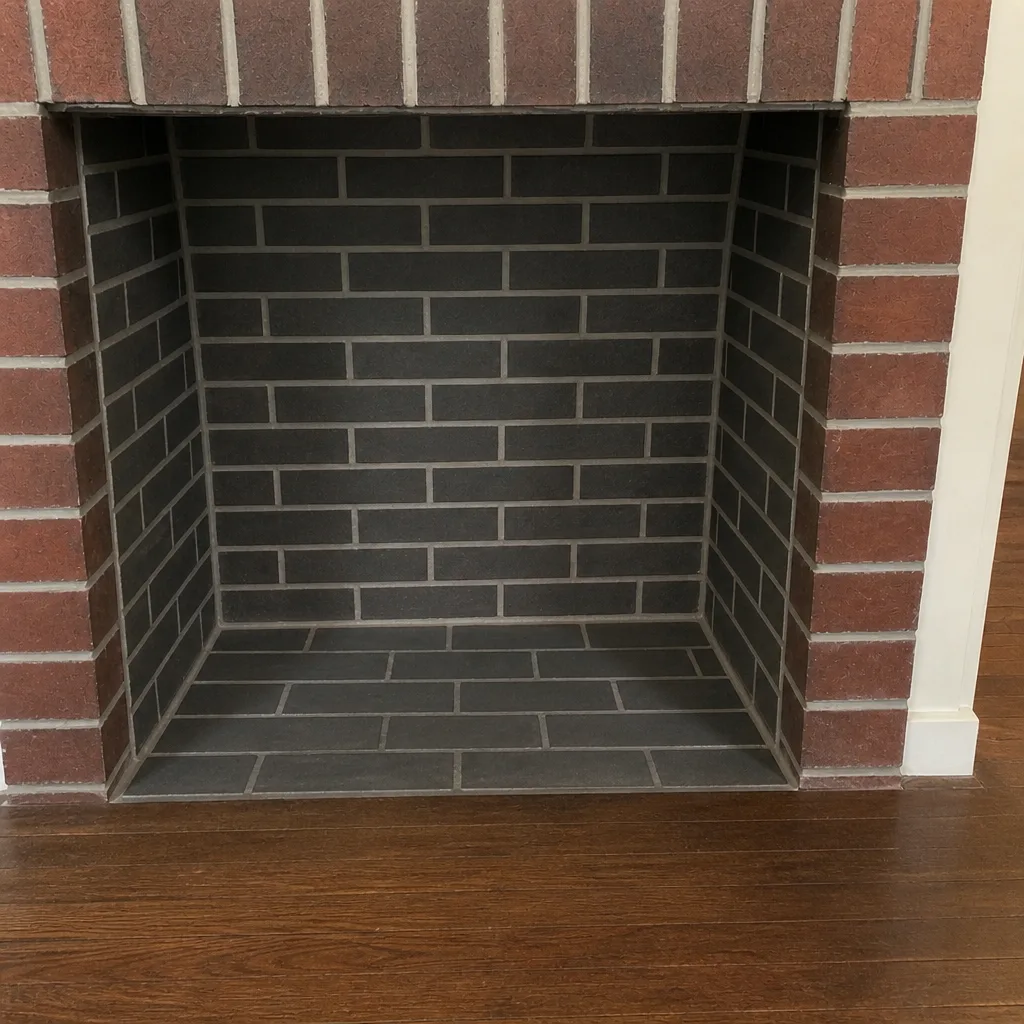
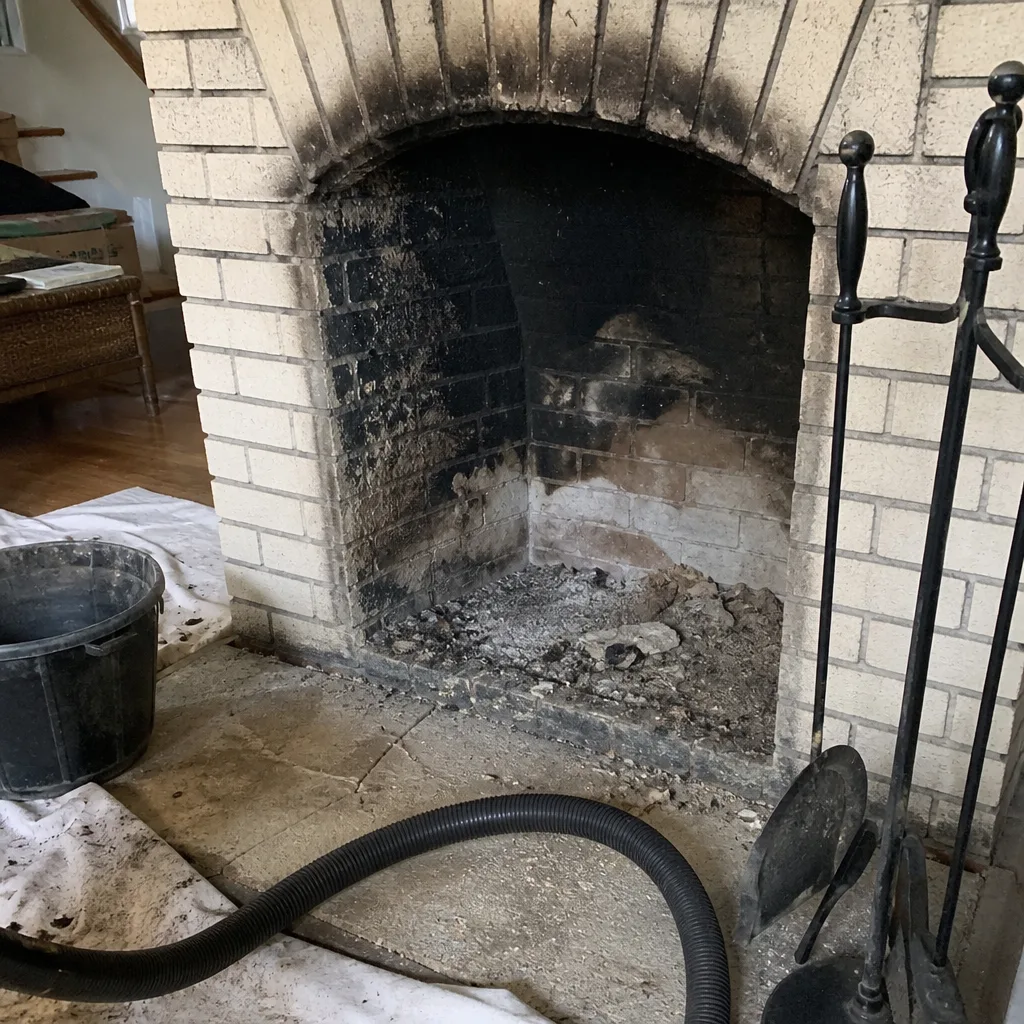
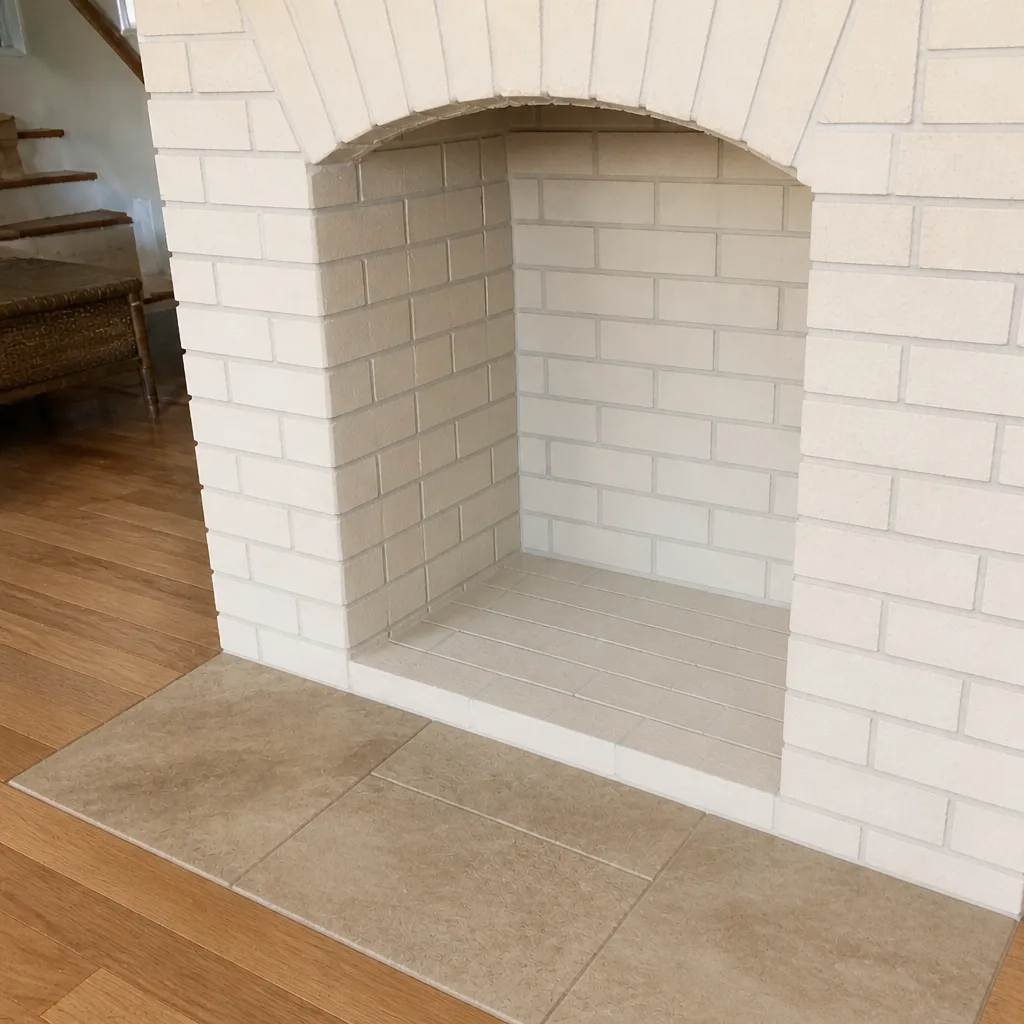
See the difference
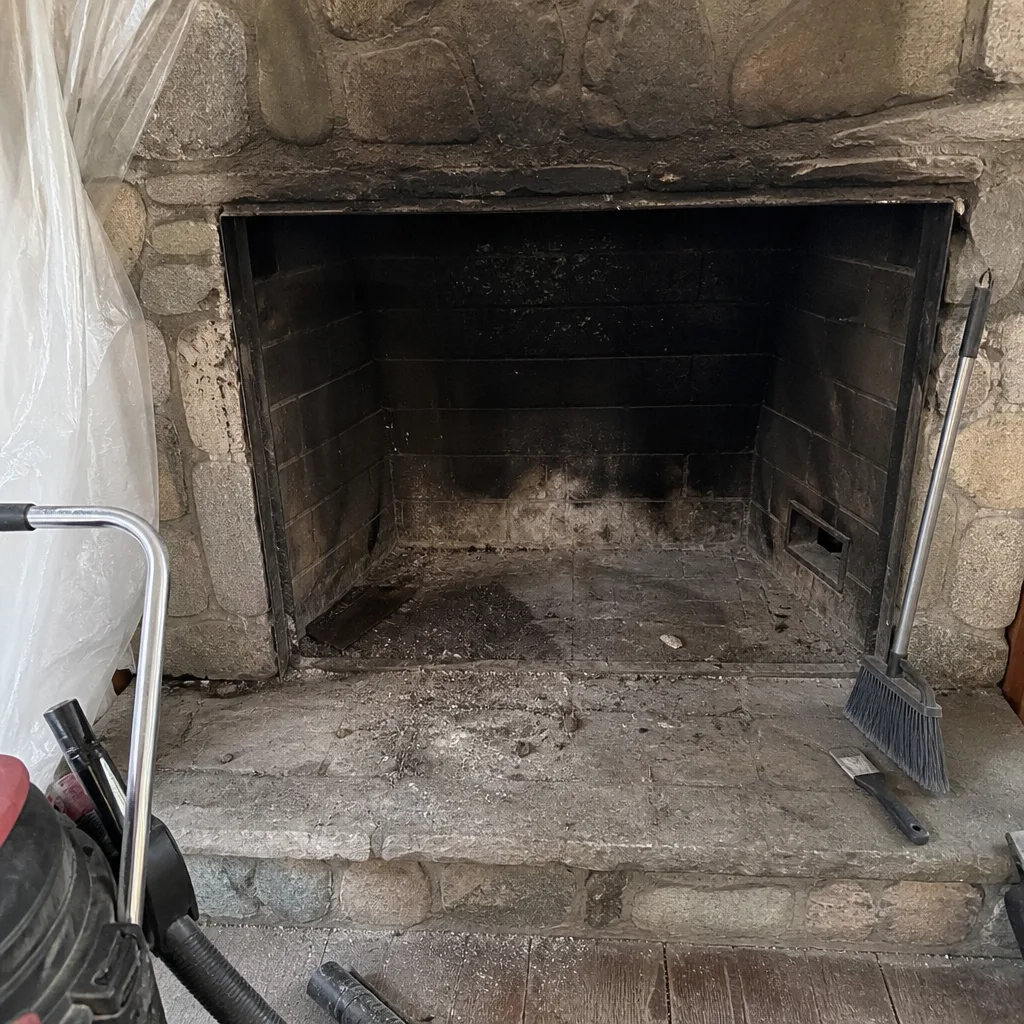 Before
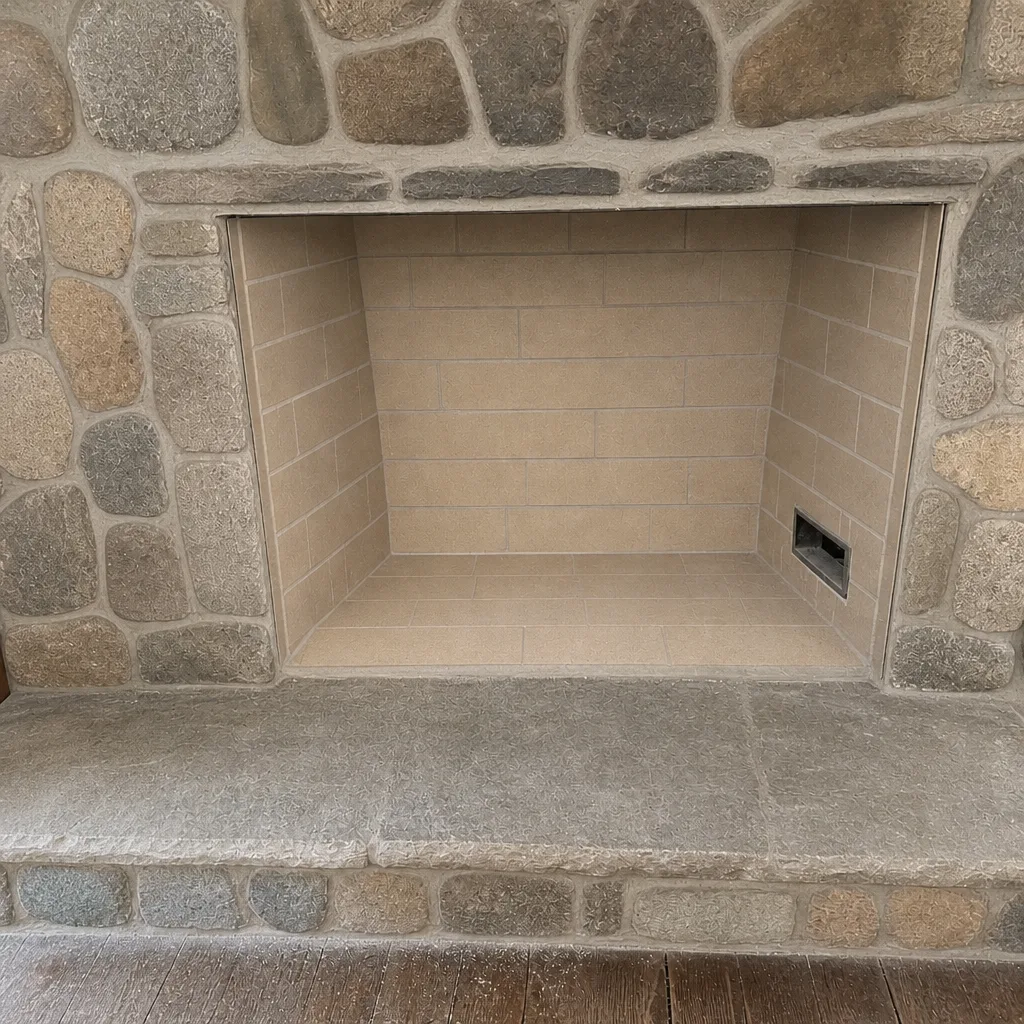 After
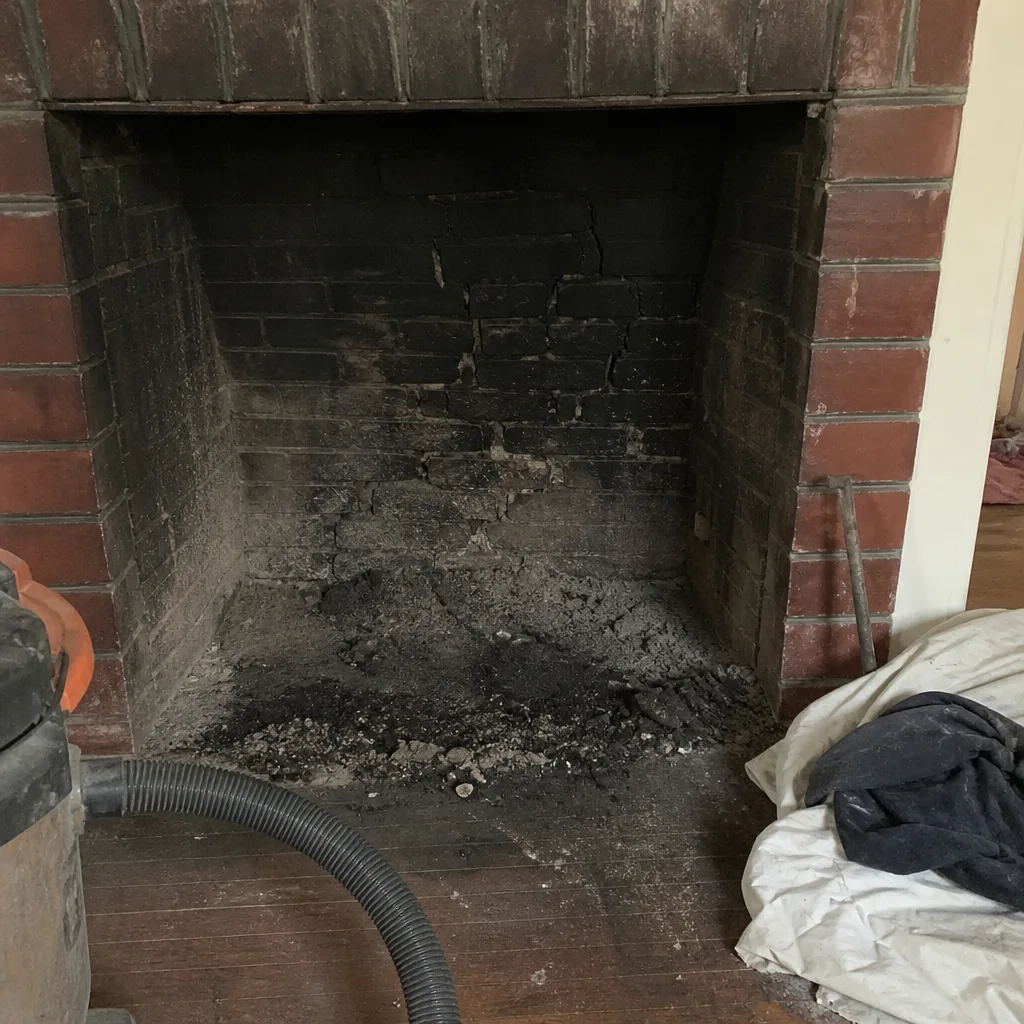 Before
 After
 Before
 After
When to Call a Professional
Call a professional chimney service when you’ve had a chimney fire, when a CO alarm has sounded, when you see structural damage to the crown or cap, or when smoke backs into the room and the fireplace won’t draw. Also call if it’s been more than a year since the last inspection, if you’ve just bought a home with a fireplace, or if you’re selling and need a credible pre-sale inspection. Our technicians have up to 10 years of experience, and we offer standalone inspections so you get a diagnosis before anyone recommends a repair. Chimney Sweep Williamsbridge offers free estimates in Williamsbridge. Call (866) 913-9502. We answer 24/7. Fast dispatch from 7am to 7pm, Sunday through Friday.
Frequently Asked Questions
Close the damper if you can do it safely, get everyone out of the house, and call 911 from outside. Don’t throw water on the fire. After the fire department clears the scene, book an inspection before using the fireplace again. Call (866) 913-9502 for an exact quote on the inspection, estimates are free.
Smoke rolling back into the room, a fire that struggles to draw, and a smoky smell in the house are the usual signs. A blocked flue can also cause a CO alarm to sound. Stop using the fireplace and have the flue inspected. Call (866) 913-9502 to schedule an inspection.
Yes, it can. Shared flues and party walls mean smoke and CO can cross unit lines, and a collapsing crown can drop debris onto a shared roof. If a neighbor has a chimney fire or CO event, have your own flue checked too. Call (866) 913-9502 to book an inspection.
No. A chimney fire can crack the liner or damage the crown in ways you can’t see from the room. The fireplace needs an inspection before the next fire. Call (866) 913-9502 to schedule one.
New York City’s Local Law 50 requires carbon monoxide detectors in residential units. Place them on each level near sleeping areas and test them at the start of the heating season. A detector is only useful if it’s working.
A sweep cleans the flue; an inspection diagnoses the condition of the whole system, from the firebox to the cap. An inspection can find a cracked liner, a failing crown, or a blockage before it becomes an emergency. We offer inspections as a standalone service so you get the diagnosis first. Call (866) 913-9502 for a free estimate.
The Bottom Line
Most chimney emergencies are preventable, and the ones that aren’t are survivable when you know the response. Memorize the four categories: fire, CO, structural failure, and draft loss. For a fire, close the damper if you can, get out, and call 911. For CO, get everyone out and call from outside. For structural damage or draft loss, stop burning and book an inspection. Get a pre-season inspection, know your liner type, document the last inspection date, and keep the sweep’s number where you can find it. If you live in an attached Williamsbridge home, remember that a neighbor’s chimney problem can reach your unit. Preparation is the whole game.
Written by the team at Chimney Sweep Williamsbridge.