
Last updated November 25, 2026
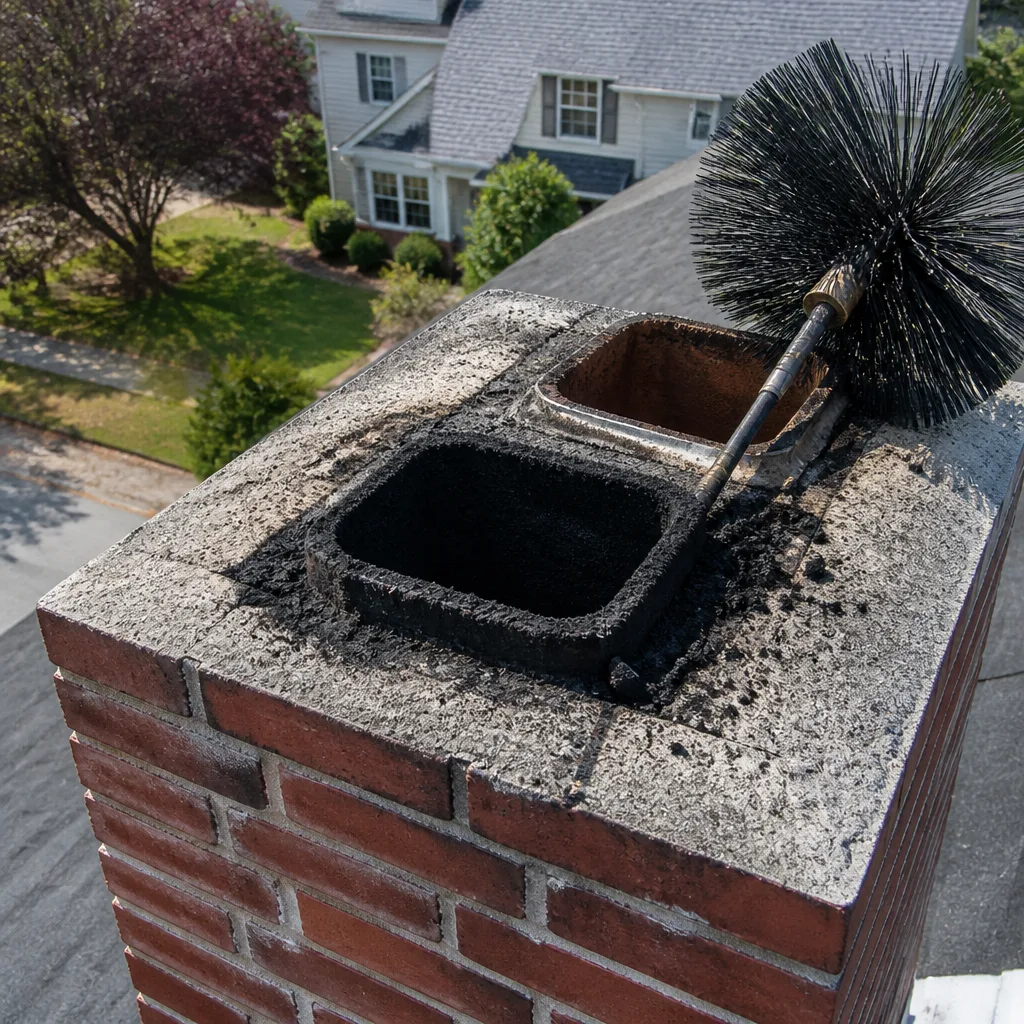 Sweep & inspection
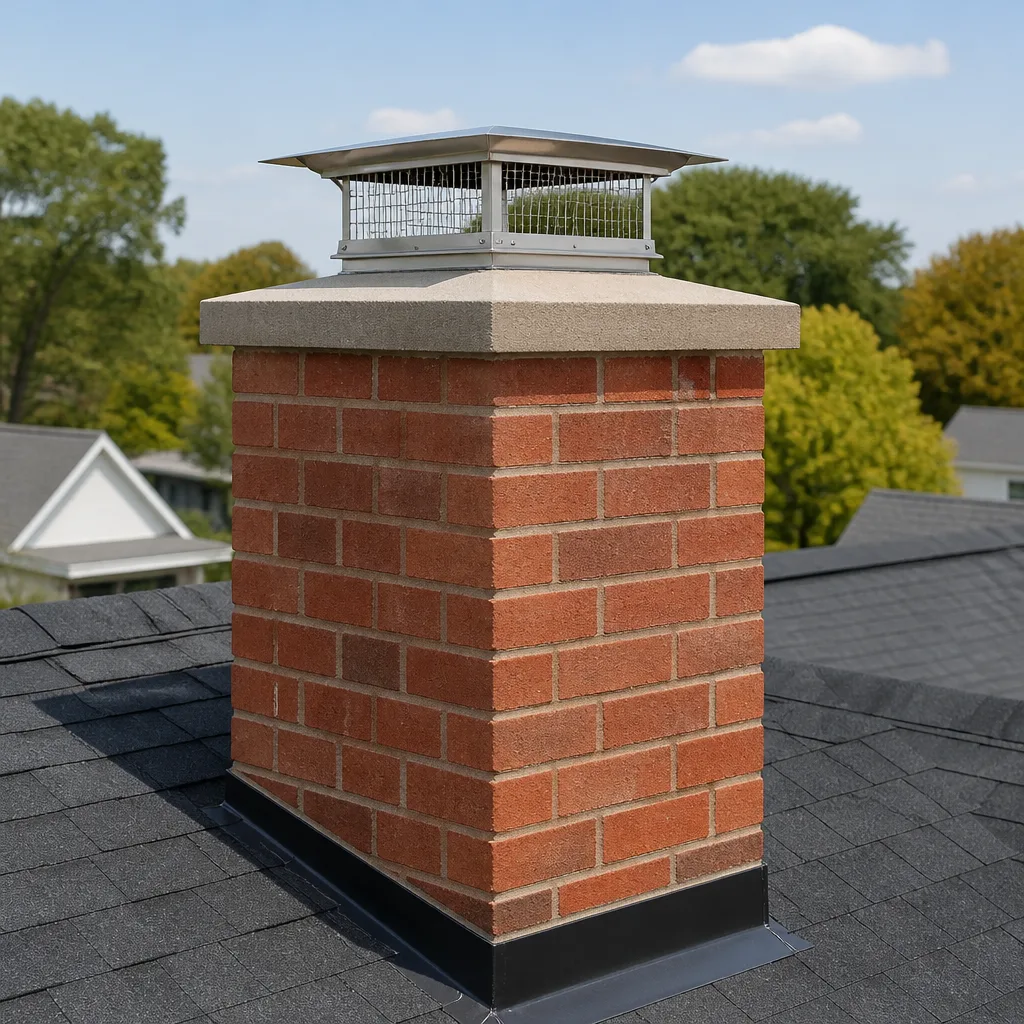 Caps & crowns
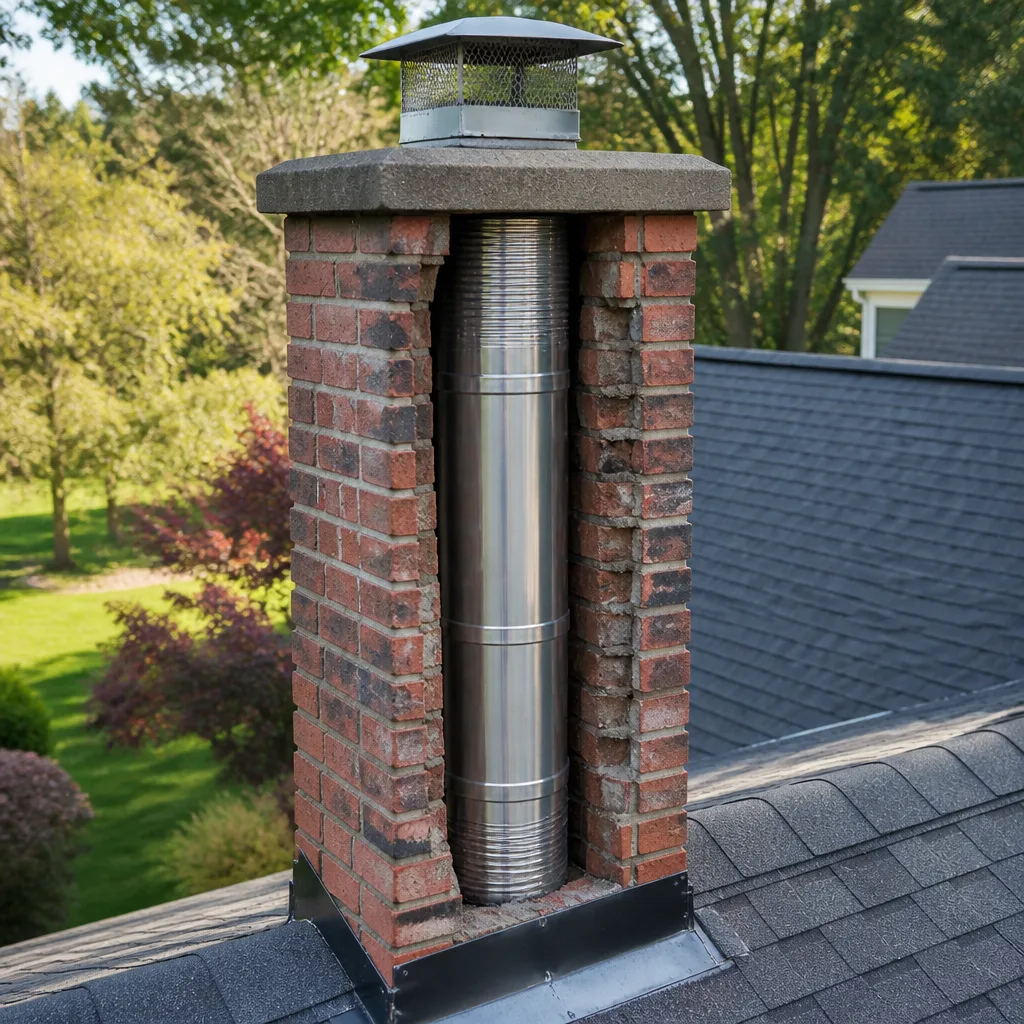 Flue relining
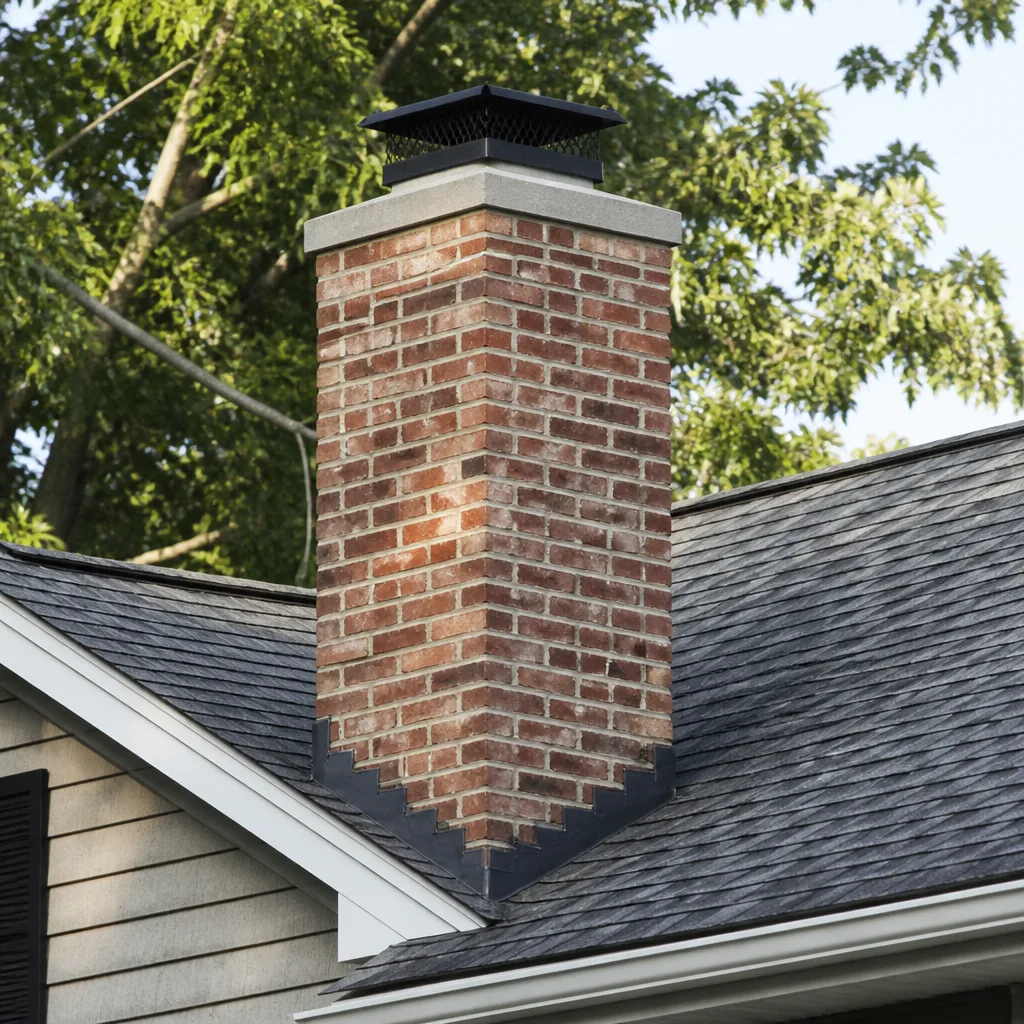 Masonry repair
 Gas fireplace service
Level 1 sweep and inspection to the NFPA 211 annual standard - flue, crown, cap, and flashing checked and photographed
Chimney sweep logs do not sweep chimneys. They loosen some creosote - which then falls where a brush and vacuum still have to collect it.
Seasonal Chimney Cleaning Care for Williamsbridge: Year-Round Homeowner’s Guide
Most homeowners treat the chimney like a seasonal appliance: give it a sweep in the fall, light the first fire, forget about it until next October. That approach skips the season that actually does the most damage to a chimney in Williamsbridge. Summer is the hardest season on a flue, not winter. Heat, humidity, and nesting animals work on an unprotected chimney for five months before anyone strikes a match, and by the time you notice a draft problem or a stain on the ceiling, the cause is often months old. This guide breaks chimney care into a month-by-month schedule you can pin to a wall, with the specific tasks that matter in each season.
Quick Answer
A chimney in Williamsbridge needs attention in every season, not just before winter. Spring is for inspection after the heating season ends, summer is for cap and chase-cover protection against animals and rain, late September is the ideal window for a sweep, and winter is for mid-season checks on a heavily used fireplace. Booking a chimney sweep in late September beats the October rush and leaves time for any repair before the first fire.
Styles & brands we work with
- Sweep & inspection
- Caps & crowns
- Flue relining
- Masonry repair
- Gas fireplace service
Table of Contents
- Why Chimney Care Is a Year-Round Job, Not a Fall One
- Spring: What to Inspect After the Heating Season Ends
- Summer: Caps, Chase Covers, and the Nesting Problem
- Fall: Timing Your Sweep Around Williamsbridge’s Shoulder Season
- Winter: Mid-Season Checks for a High-Use Fireplace
- The Month-by-Month Chimney Calendar
- What “Sweep-Ready” Actually Means Before First Use
- Common Mistakes to Avoid
Why Chimney Care Is a Year-Round Job, Not a Fall One
The “clean once a year before winter” habit treats the chimney as a closed system that sits harmless until it’s used. A chimney isn’t dormant. It moves with temperature, it takes in water, and it hosts wildlife, and each of those processes runs all year. In Williamsbridge, the swing from cold heating-season weather to humid summers puts the masonry through repeated expansion and contraction. Mortar that looks intact in October can be cracked by May.
Creosote follows its own calendar. The glazed, tarry buildup that fuels a chimney fire forms in stages, and the longer it sits, the harder it is to remove. A flue swept after a season of heavy burning comes cleaner than one left for a year, because you’re removing fewer layers of hardened deposit. We’ve seen flues where a routine sweep would have been enough a few months earlier but now need resurfacing with a professional-grade product like HeatShield to restore a smooth, protected liner surface.
Summer adds the risk most homeowners don’t consider. A chimney cap that’s missing or loose lets in rain, leaves, and birds. A flue left open is a rain funnel, and a damp flue is a damaged flue. The moisture soaks into masonry and into clay tile and weakens the liner from the inside. By fall, you may have a blocked or cracked flue that no sweep alone will fix.
The fix is simple: think in four seasons instead of one appointment. Below, we walk through what each season asks of a Williamsbridge chimney.
Spring: What to Inspect After the Heating Season Ends
Spring is the diagnostic season. Once the fireplace is out of regular use, you can inspect what the winter did. This is the best time of year for a dedicated Chimney Sweep Williamsbridge inspection, because findings can be addressed on a comfortable schedule instead of under pressure in November.
Here’s what a spring inspection looks for:
- Liner stress from thermal cycling. A clay tile liner expands and contracts with each heating season. Cracks that start small widen over a summer. Flexible stainless liner systems such as DuraFlex are a professional-grade fix when the original liner is beyond resurfacing.
- Mortar shrinkage and joint wear. Masonry mortar loses moisture and develops hairline gaps. Small gaps are normal; growing ones signal a bigger issue.
- Efflorescence on exterior masonry. That white, chalky bloom on the outside of a chimney is a sign of moisture moving through the masonry and drying on the surface. It tells you water is getting in somewhere, and spring is the season to trace where.
- Crown and cap condition. A cracked crown lets water into the chimney structure. A missing cap lets it down the flue. Both are easier to spot and fix in spring than midwinter.
Spring is also the season to catch small problems while they’re still small. A hairline crack in a crown found in April is a repair. The same crack after a summer of rain can become a structural problem. If your inspection turns up anything, schedule the chimney repair before summer heat and storms move in.
Summer: Caps, Chase Covers, and the Nesting Problem
Summer is a chimney’s most vulnerable season, and it’s the one most homeowners ignore. Here’s why. The flue is empty and dry from last winter’s last fire. The cap is either doing its job or it isn’t. Rain, squirrels, birds, and insects all take advantage of an open or unprotected flue, and they have months to do it.
Two things protect a chimney in summer:
- A sealed chimney cap. A good cap keeps out rain, animals, and debris while letting smoke escape. If your cap is cracked, rusted through, or missing, summer is the season it costs you the most.
- A proper crown. The crown is the concrete or masonry surface at the top of the chimney that sheds water away from the flue. A cracked crown funnels rain straight into the masonry. chimney cap & crown work in early summer, before the heavy weather, prevents water damage from compounding.
Nesting season is the other summer concern. Wood-burning flues are a favorite shelter for birds and squirrels. Signs of animal intrusion include:
- Scratching or chirping sounds from the flue in summer
- Nesting material visible at the top of the chimney or lodged on the damper
- A sudden strong draft or smoky smell when the fireplace is first lit
- Debris falling into the firebox
A blocked flue from a nest is a carbon monoxide hazard the moment you light a fire, because smoke and gases have nowhere to go but back into the room. If you suspect an animal has taken up residence, don’t wait for fall. Call a professional to clear the flue safely. Brands like Copperfield and Famco supply the caps and components that a professional-grade installation relies on, so summer is the time to get the protection right.
Fall: Timing Your Sweep Around Williamsbridge’s Shoulder Season
Fall is when most Williamsbridge homeowners think about the chimney, which is exactly why timing matters. The October rush is real. Everyone books at once, and the weeks before the first cold snap fill up. The smarter move is a late September sweep.
Here’s the timing logic. In late September, the shoulder season is still warm enough that you don’t need the fireplace yet, but close enough to the heating season that a sweep finds what a full year of use left behind. You get a cleaner flue, and, more importantly, you get time. If the sweep turns up a liner problem or a cracked crown, there’s room to schedule repair before you need the fire.
An October appointment leaves no room for that. A sweep that finds a problem on October 20th means a scramble to get it fixed before the first cold week, or a fireplace you can’t use safely until it’s resolved. Booking in September removes both risks.
What does fall work cover? A thorough sweep, a check of the cap and crown, a look at the damper and firebox, and a report on what was found. In our experience, most flues come back ready for the season after a sweep. The ones that don’t are best addressed with a professional-grade repair rather than a quick patch. If you’re in the Bronx and wondering whether your chimney is ready, a fall inspection is the answer before the first fire, not after.
Outside the standard dispatch window, we still answer the phone. We answer 24/7. A call outside dispatch hours is booked into the next opening, Sunday through Friday, 7am to 7pm.
Winter: Mid-Season Checks for a High-Use Fireplace
Once the heating season is underway, a fireplace used regularly needs a mid-season look, not just a pre-season sweep. A heavily used fireplace can build creosote faster than a once-a-year schedule accounts for, especially in cold-weather draft conditions where the fire burns cooler and smolders at times. Cooler, slower burns leave more deposit.
Watch for these signs through the winter:
- A weaker or smokier draft. A fire that once drew well but now smokes into the room may be telling you the flue is restricted.
- Visible buildup. Glazed, shiny creosote on the flue walls is the type that catches fire more readily than fluffy soot.
- A lingering smoky smell after the fire is out. This can point to a draft problem or buildup that hasn’t cleared.
- Rapid soot on the glass or firebox. Heavy sooting in a short time suggests the fire isn’t venting properly.
If any of this appears mid-season, pause use until the flue is cleaned and checked. A chimney fire is a serious risk once glazed creosote is present, and the safe move is to stop burning until a professional has looked at it. This isn’t a scare tactic. It’s the same reason any trained chimney professional checks creosote condition before telling a homeowner the flue is fine.
If you need a mid-season sweep, call (866) 913-9502. We answer 24/7. Fast dispatch from 7am to 7pm, Sunday through Friday.
The Month-by-Month Chimney Calendar
Here’s the whole guide in a format you can pin to a wall or stick on the fridge. Each month gets one task. Some are DIY look-and-see checks; the ones marked “pro” call for a professional.
- January. Mid-season visual check: draft strength, soot on glass, any smoky smell. If anything’s off, pause use and call a pro.
- February. Same mid-season check. Note how much you’re burning; heavy use means an earlier spring inspection.
- March. Last fires of the season. Note any change in draft or smell.
- April. Pro: spring inspection. Check liner, mortar, crown, cap, and efflorescence on exterior masonry.
- May. Pro: cap and crown repair if the inspection found issues; fix before summer weather.
- June. Confirm your cap is intact and sealed. Look and listen for nesting animals.
- July. Watch for rain intrusion and animal activity. Keep the damper closed when not in use.
- August. Pro: book your fall sweep now, before the September and October rush.
- September. Pro: sweep and inspection. This is the ideal window before first use.
- October. Address any repair found in the sweep. First fires should wait until the flue is clear.
- November. First fires of the season. Confirm a strong draft on the first light-up.
- December. Peak-use month. Watch for the mid-season warning signs listed above.
This calendar isn’t the only correct schedule, but it puts the right task in the right season. The important thing is the rhythm: spring inspect, summer protect, fall sweep, winter watch.
What “Sweep-Ready” Actually Means Before First Use
“Sweep-ready” isn’t just “the chimney was cleaned.” It means the whole system was checked from the firebox to the cap, and the sweep can tell you the flue is clear, the liner is sound, and the cap and crown are doing their job. Here’s what a proper pre-season check covers:
- The firebox and damper. Is the damper opening and closing fully? Is the firebox sound, or are there cracks that could let heat into the structure?
- The flue. Swept clear of soot and creosote, and checked for cracks, gaps, or missing tile.
- The liner. Sound and continuous, or flagged for resurfacing or replacement. A damaged liner lets heat reach combustible parts of the structure.
- The cap and crown. Sealed and intact, so the flue stays protected.
- The draft. A clear flue drafts correctly. A weak draft on the first light-up is the sign that something’s still wrong.
When we work with homeowners in Williamsbridge, this is the standard we hold to. A sweep isn’t done when the brush comes out. It’s done when we can tell you the whole flue is safe to use, and show you what we found. If the answer is “it’s fine,” we say so. If it needs work, we say that too, with the reasoning behind it.
Common Mistakes to Avoid
- Only sweeping in the fall. A fall-only routine misses the summer damage that comes from an open or uncapped flue. Spring and summer protection are what keep a fall sweep simple.
- Assuming a missing cap is a small thing. An open flue is a rain funnel and an animal doorway. The damage happens over months, and it shows up as a liner or masonry problem, not a cap problem.
- Burning wet or unseasoned wood. Wet wood burns cooler and produces more creosote. In Williamsbridge’s cold-weather draft conditions, that buildup happens faster.
- Ignoring efflorescence. The white bloom on exterior masonry is a signal that water is getting into the chimney. Treat it as a warning, not a cosmetic issue.
- Waiting until the first cold week to book. October fills up. A late September sweep leaves time to fix what it finds.
- Using a general handyman for chimney work. Chimney systems need professional-grade components and the knowledge to diagnose the whole flue, not a quick patch with whatever’s at the hardware store.
- Skipping the standalone inspection. A sweep cleans the flue. An inspection diagnoses the system. They aren’t the same thing, and a homeowner deserves the diagnostic step even if no sweep is booked.
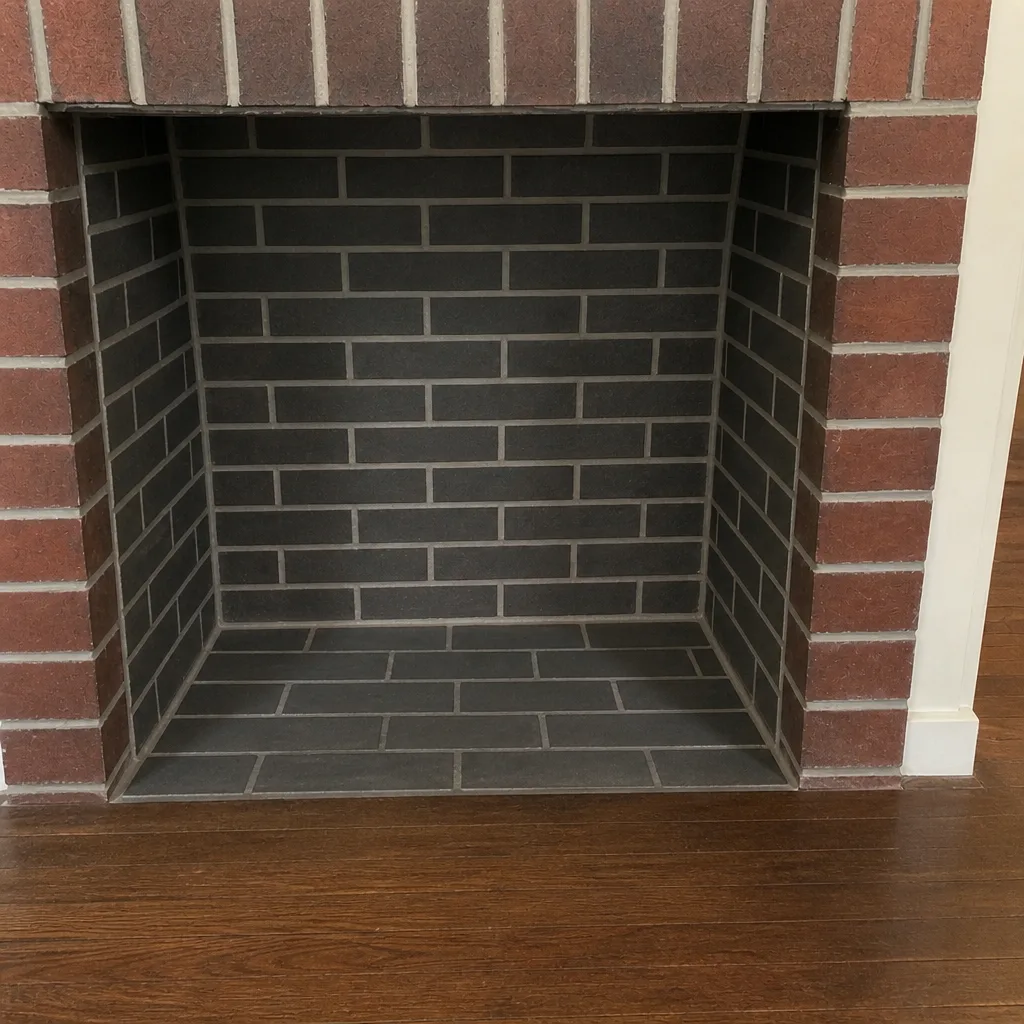
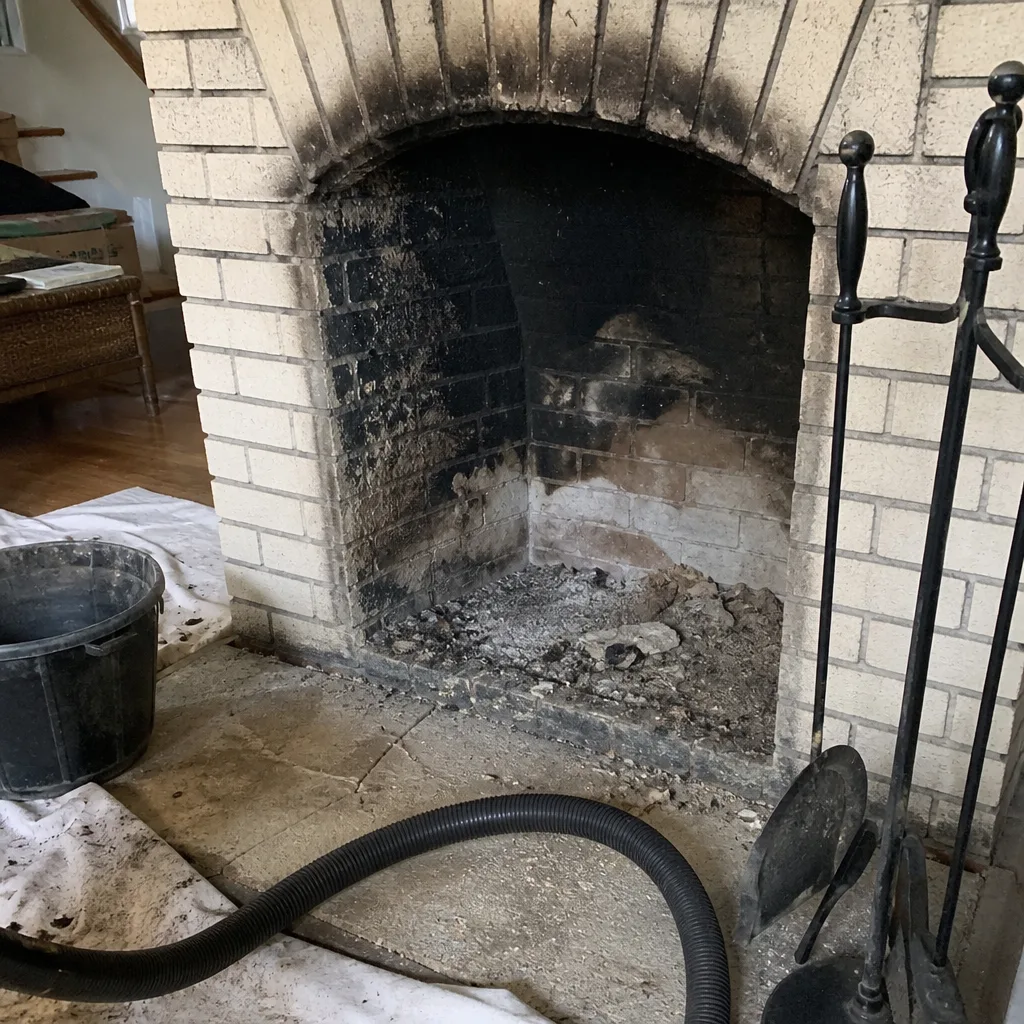
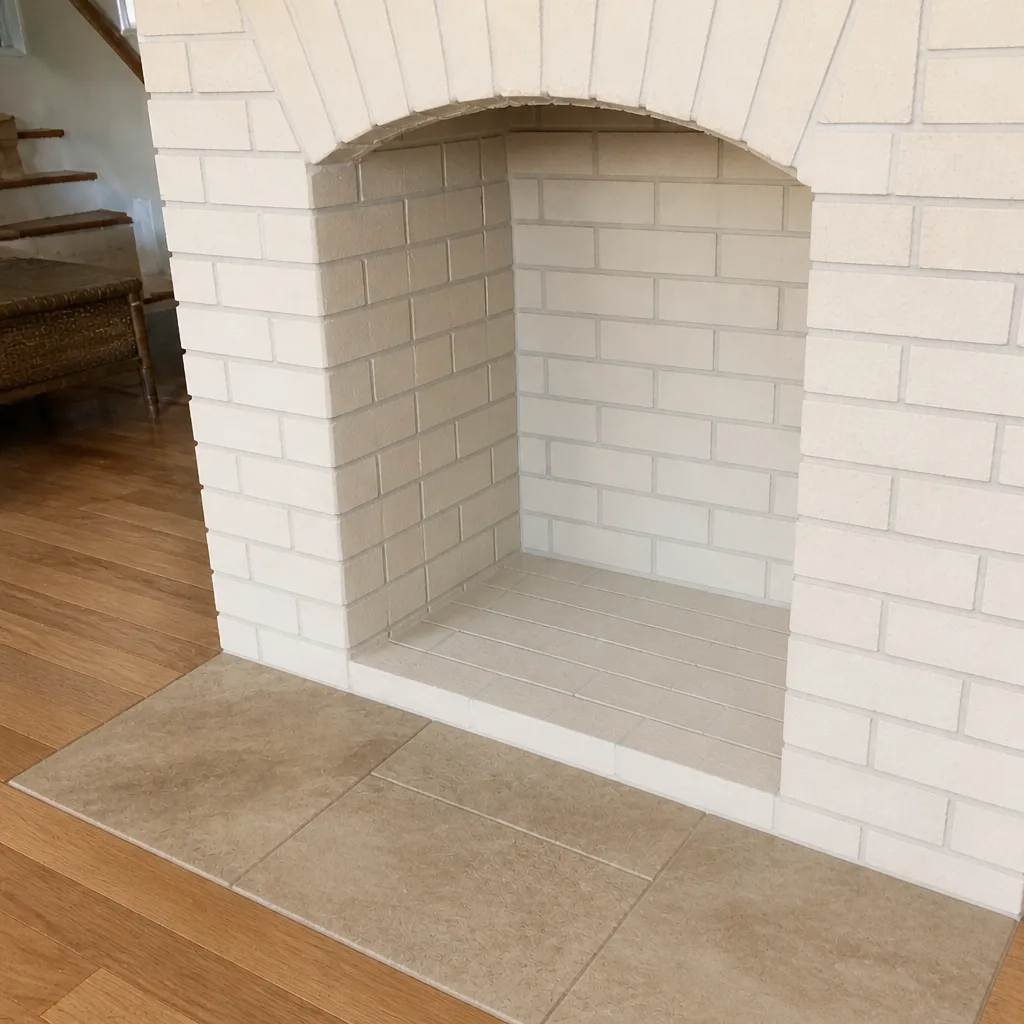
See the difference
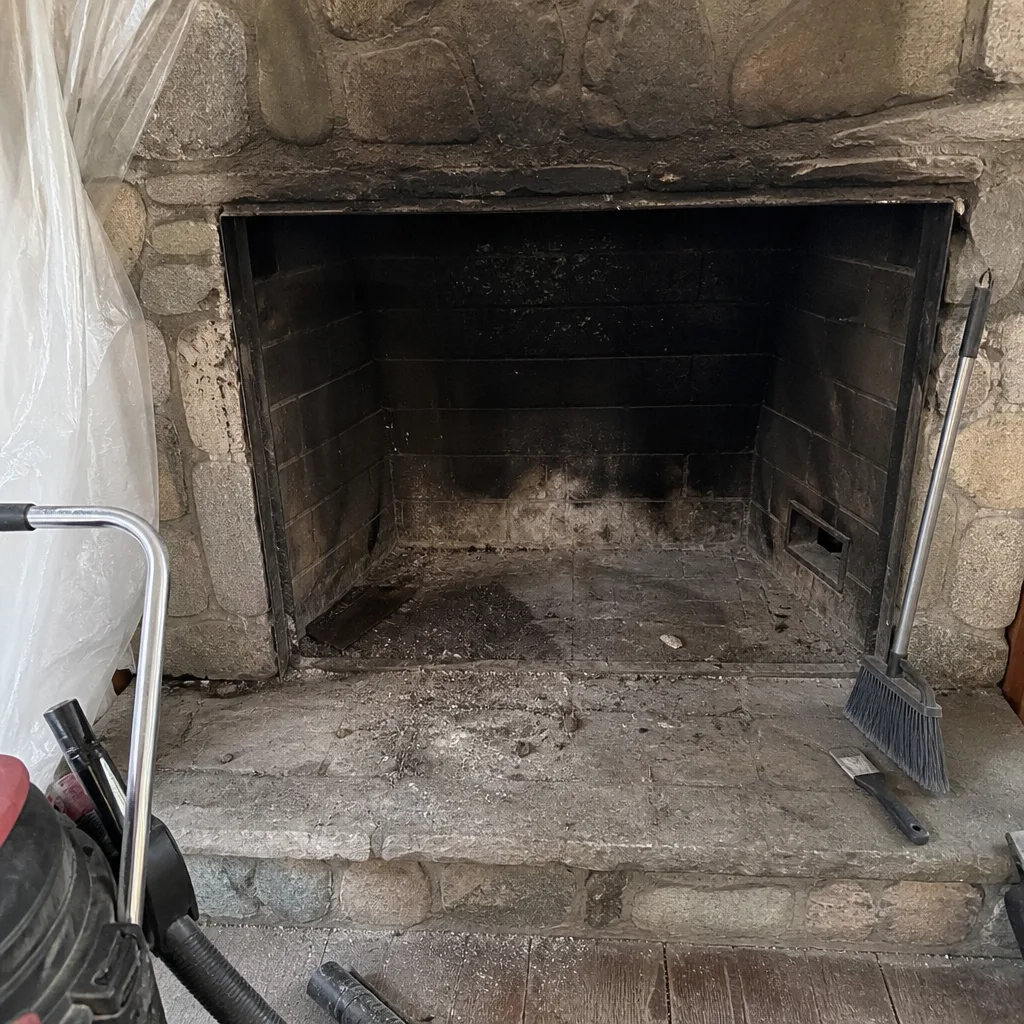 Before
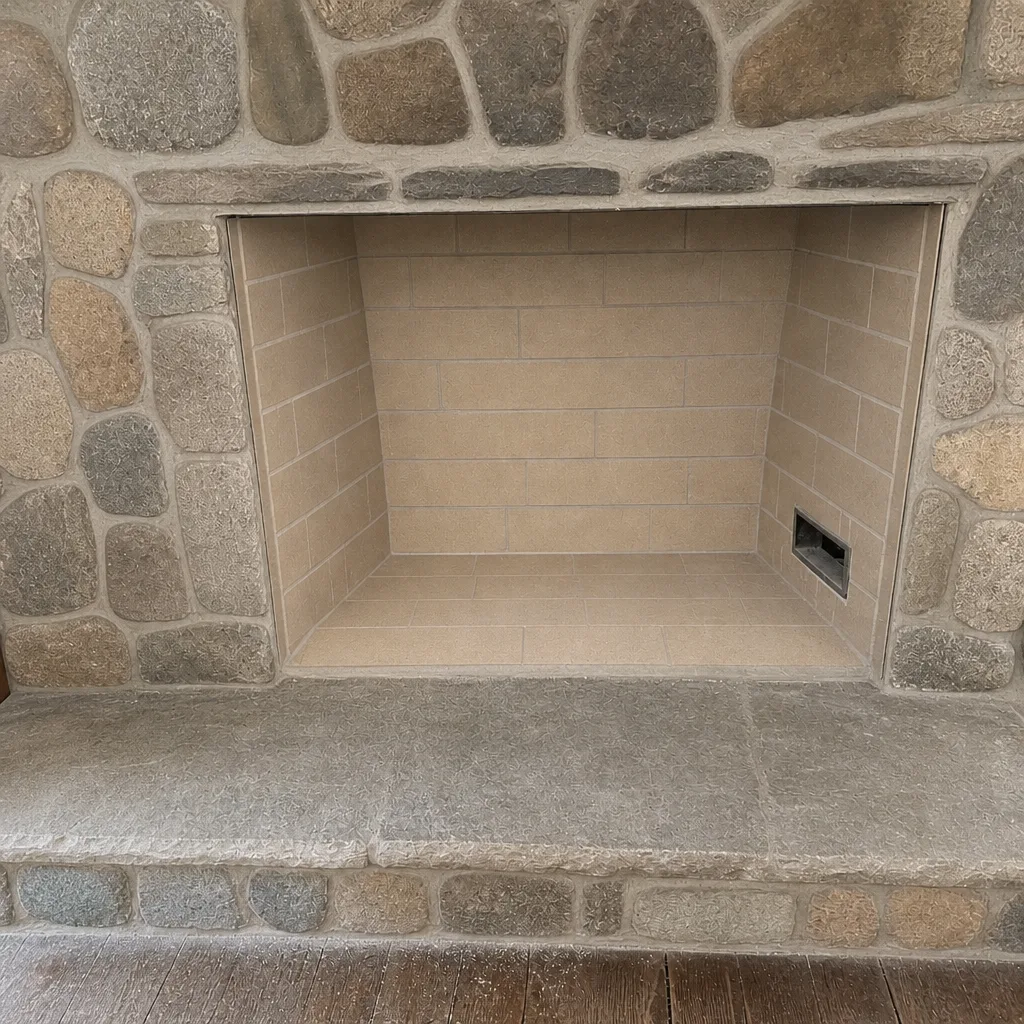 After
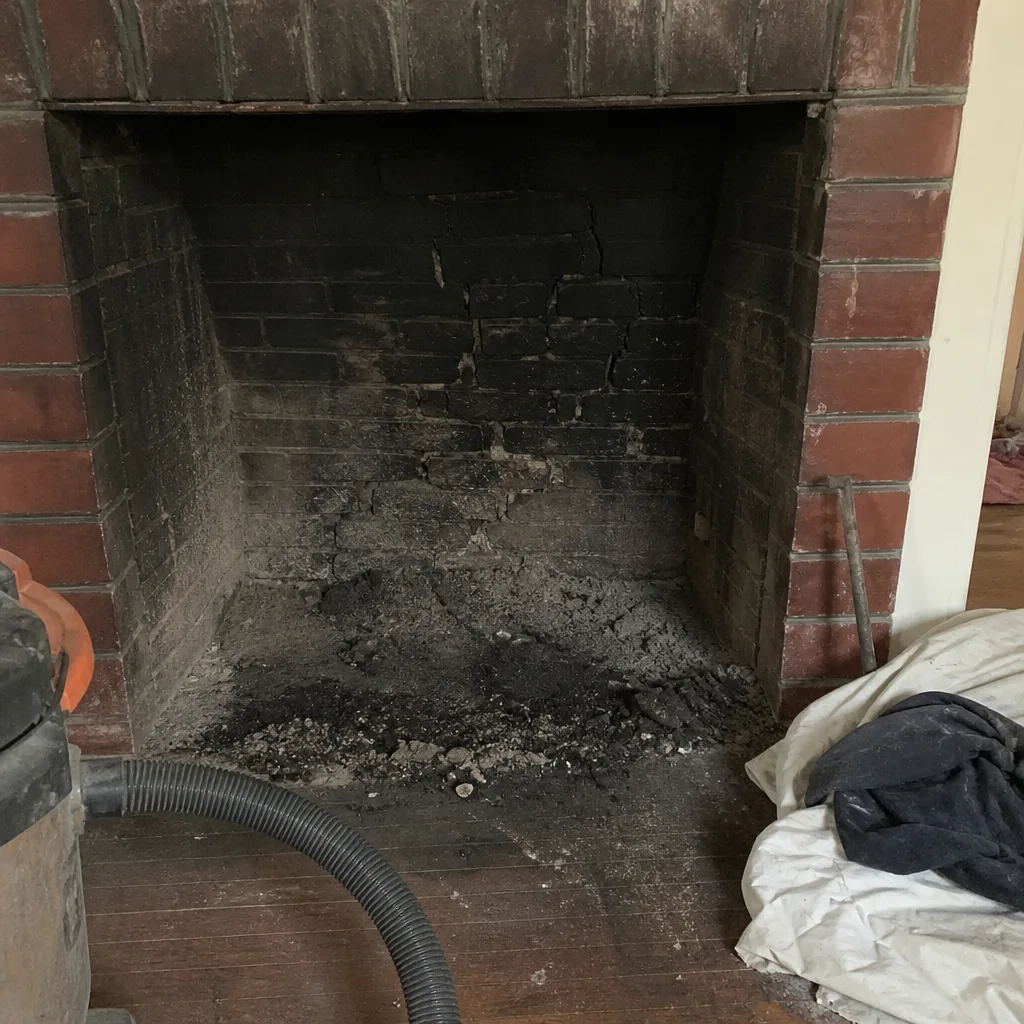 Before
 After
 Before
 After
When to Call a Professional
Some tasks are a look and a listen. Others need a trained professional. Call a professional if you see glazed or tarry buildup in the flue, if a fire smokes into the room, if you smell smoke after the fire is out, if you hear animals in the flue, if exterior masonry shows efflorescence or cracked mortar, or if the cap or crown is damaged in any way. Also call if it’s simply been more than a year since a proper sweep or inspection. The worst cases we’re asked about are the ones where a small problem sat through a summer and became a structural one. If you’re in Williamsbridge and unsure whether your chimney needs attention, that’s exactly the kind of question a professional inspection answers. Chimney Sweep Williamsbridge offers free estimates in Williamsbridge. Call (866) 913-9502.
Frequently Asked Questions
Once a year is the general standard for a regularly used wood-burning fireplace, but the season you choose matters. In Williamsbridge, a late September sweep is the best timing because it leaves room to fix anything found before the first fire. A heavily used fireplace may benefit from a mid-season check as well. Call (866) 913-9502 for an exact quote, and estimates are free.
For an unprotected chimney, yes. Summer combines heat, humidity, rain intrusion, and nesting animals in a flue that sits empty for months. Winter is hard on a chimney through use, but a summer with a missing cap or cracked crown can cause damage that shows up in the fall as a liner or masonry problem. That’s why summer cap and crown protection matters so much. Call (866) 913-9502 to book a summer check.
Efflorescence is the white, chalky bloom that appears on exterior masonry when water moves through the chimney and dries on the surface. It’s a sign that moisture is getting into the chimney structure. Left alone, it points to a water problem that can weaken the masonry and the liner behind it. If you see it, schedule a chimney inspection. Call (866) 913-9502 for a free estimate.
You can brush a flue, but a sweep is only one part of what the chimney needs. A proper service also checks the liner, cap, crown, damper, and draft, and that’s where the real risk lives. A trained professional diagnoses the whole system, not just the soot. We offer standalone chimney inspections for exactly this reason. Call (866) 913-9502 for a free estimate.
A straightforward sweep usually takes about an hour, depending on the flue’s condition and how much buildup there is. If the sweep turns up a problem, the inspection portion takes longer. We tell you what we find before anything is recommended, and the written estimate sets the price.
Yes. An unused chimney still takes in rain, animals, and moisture, and a cracked crown or damaged liner can affect the structure and indoor air quality even without a fire. A homeowner buying or selling a home should book an inspection regardless of use. Call (866) 913-9502 for a free estimate.
The Bottom Line
Year-round chimney care comes down to a rhythm, not a single fall appointment. Spring is for inspection, when the heating season’s damage is fresh and fixable. Summer is for protection, with a sealed cap and sound crown keeping rain and animals out. Fall is for the sweep, best scheduled in late September before the October rush. Winter is for watching: draft strength, soot, and smell tell you when a high-use fireplace needs a mid-season check. Put these four seasons on a calendar and your fireplace stays safe to use when you need it. Williamsbridge homeowners who follow this schedule spend less time chasing problems and more time enjoying the fire.
If it’s time to get your chimney on a schedule, call (866) 913-9502 for a free estimate. We answer 24/7. Fast dispatch from 7am to 7pm, Sunday through Friday.
Written by the team at Chimney Sweep Williamsbridge.